Is PLA Waterproof? 3D Printed Soap Dishes and Bathroom Care
PLA resists water but isn't waterproof. What happens to 3D printed soap dishes, razor stands and sink caddies in a damp bathroom, and how to make them last.
By the Filagora team · November 23, 2026 · 8 min read
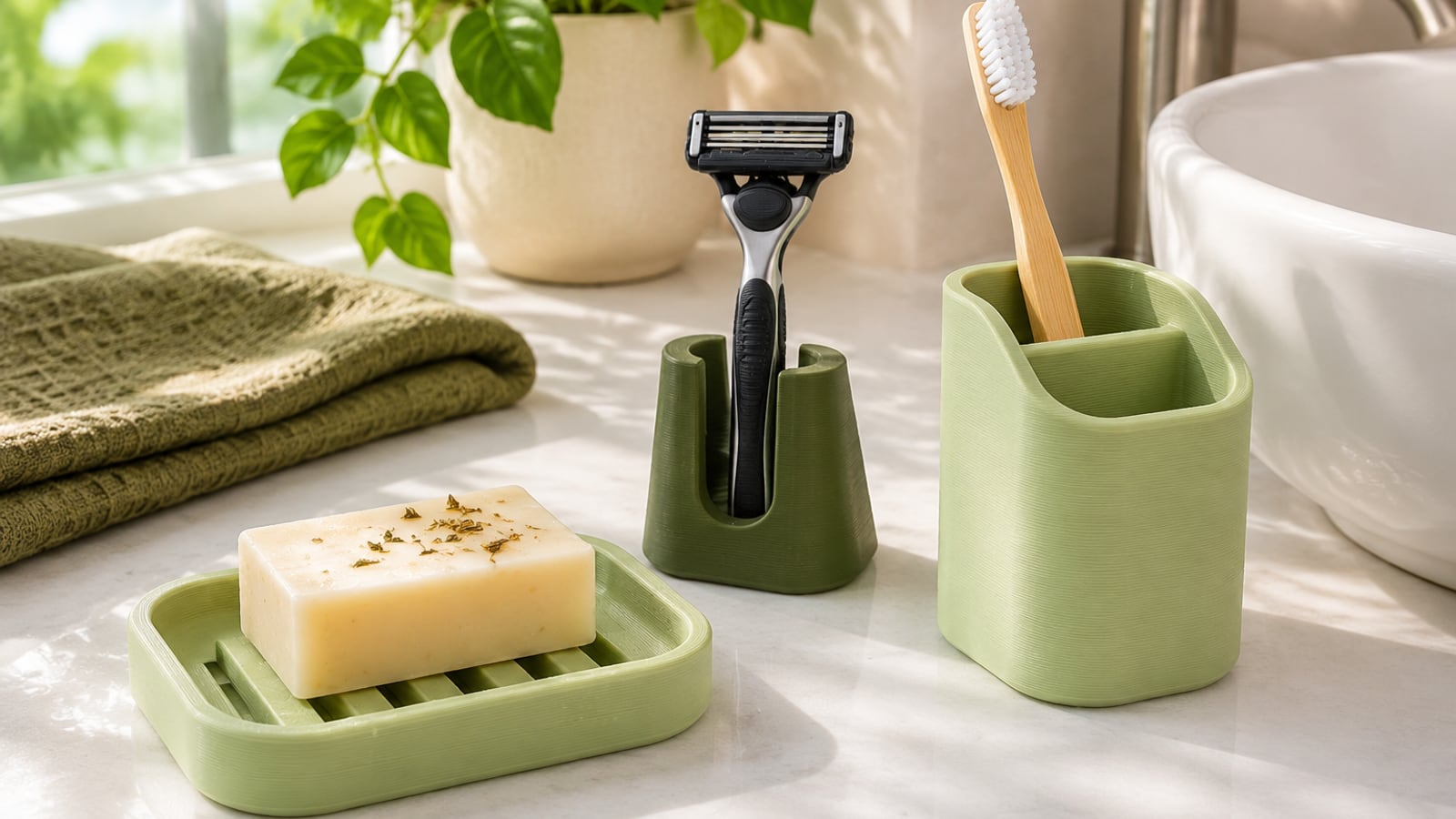
No, PLA isn't waterproof, but it is water-resistant. A printed PLA soap dish, razor stand or sink caddy can get splashed every day and keep working. What wears it down is hot water, soap residue and water that never drains away.
One filament maker's guide puts it this way: a well-printed PLA part holds water for days and survives splashes for months, but sustained contact with warm or soapy water breaks it down (QIDI). That matches what most makers see. The plastic itself copes fine with water. The conditions around a sink and shower are what age it.
This guide is for people who bought, or are about to buy, a printed piece for the bathroom or kitchen. It covers what to expect and how to look after it.
Why the answers online contradict each other
Search this question and you'll find opposite verdicts. Some pages warn against using PLA in any humid room. Others say it doesn't dissolve, swell or rot sitting in a bucket at room temperature.
Both sides are pointing at something real. Plain, cool water does very little to PLA. People have submerged PLA objects in a jar of water for a year and found no signs of degradation (3DPrinterly). But a bathroom isn't a jar of clean, cold water. It's warm water, soap, steam and wet things sitting on the plastic for hours.
Three questions hiding in waterproof
When people ask if PLA is waterproof, they usually mean one of three things.
Does it dissolve or go soft when wet?
No. A splash, a rinse or a wet bar of soap won't dissolve PLA or make it soggy. You can wash it and dry it like any other plastic, as long as the water isn't hot.
Does it leak?
It can. A 3D print is built in layers, and between each layer there are microscopic gaps where the filament hasn't fully fused. Water can find its way into these and seep through the wall (Wital). For a soap dish that doesn't matter. For anything meant to hold water, like a vase, it does. Our post on whether a 3D printed vase can hold water goes into that.
Does it break down over time?
Slowly, and mostly under heat and harsh chemistry. The same QIDI guide cites published tests showing a 40% loss of tensile strength in 25 days at pH 10, and only 47% of the original mass remaining after 49 days at 60°C (QIDI). Those are tough lab conditions reported by a filament company, not what happens on a normal sink. But they show which way the risk runs: hotter and more alkaline means faster wear.
What actually wears PLA out
Hot water
PLA has a low glass transition range of about 57–70°C (roughly 135–158°F). Washing it in water that hot may deform or warp it (MFG Robots). Normal shower water at 38–42°C (100–108°F) is below that danger zone, but it still speeds up wear compared with cold water (QIDI EU). One maker site sums it up bluntly: hot water and sunlight are what actually kill PLA parts (Makers101).
If your bathroom gets afternoon sun through a window, that adds to it. Our post on PLA and heat covers sunny sills and other warm spots.
Soapy, alkaline residue
Soap scum is the quiet one. It sits on the plastic, stays damp and keeps the surface wet long after the rest of the counter has dried. Poor drainage traps that scum against the print and speeds up breakdown (Siraya Tech).
Standing water plus strain
A printed part that holds weight while it stays wet tends to fail at its weakest point. One bathroom user reported a printed shower hook that broke at the point of most stress while the rest of the part was fine (3ders). Humidity alone didn't do it. Constant load in a damp room did.
Bathroom and sink items: what lasts and what doesn't
Not every bathroom piece faces the same conditions. A lipstick holder on a shelf has an easy life. A soap dish in the shower has the hardest job in the room.
| Item | What it faces | What to watch |
|---|---|---|
| Soap dish | Wet soap, scum, standing water | Drainage, slime under the bar |
| Dish brush caddy | Wet brush, dishwater drips | Water pooling in the base |
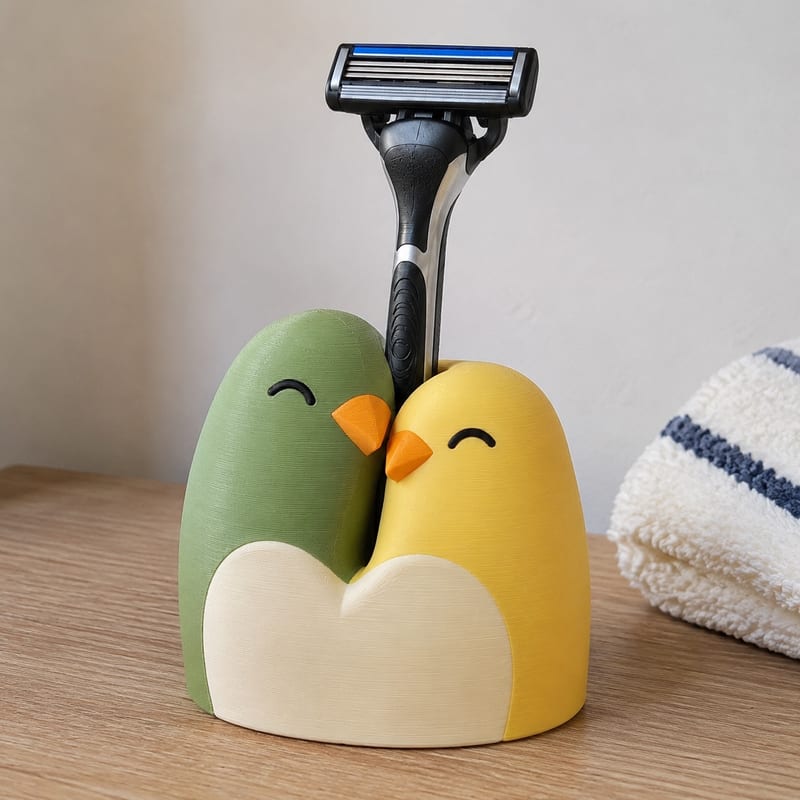
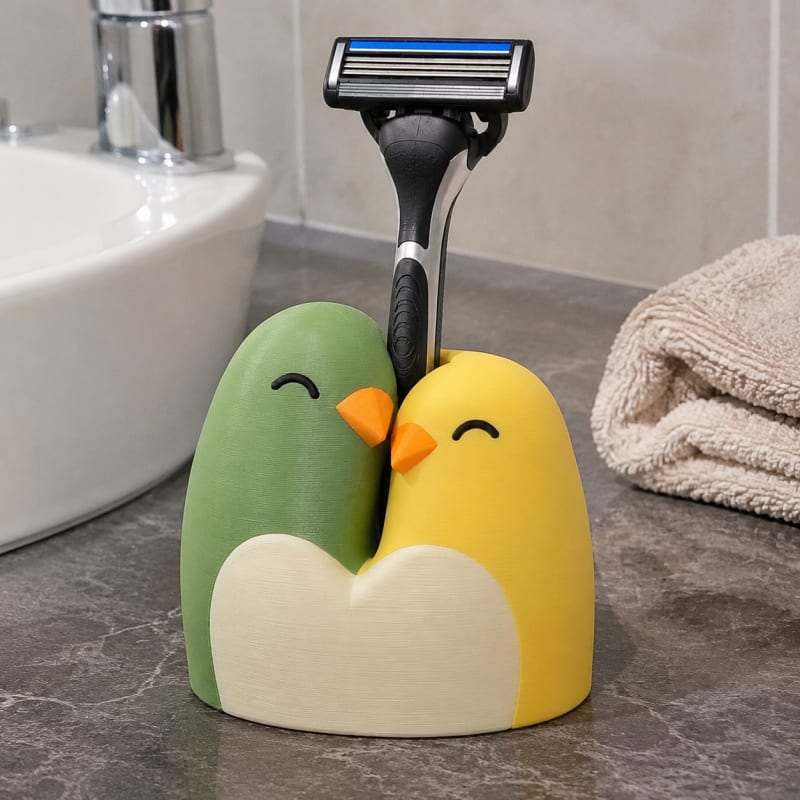
| Razor stand | Drips from the blade, quick rinses | The arm or slot holding the razor |
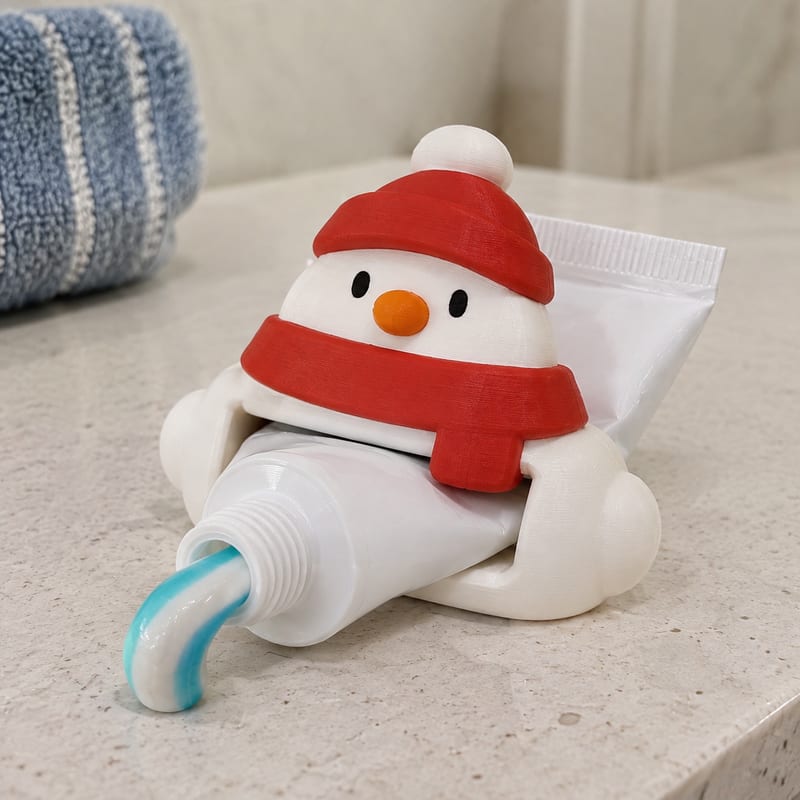
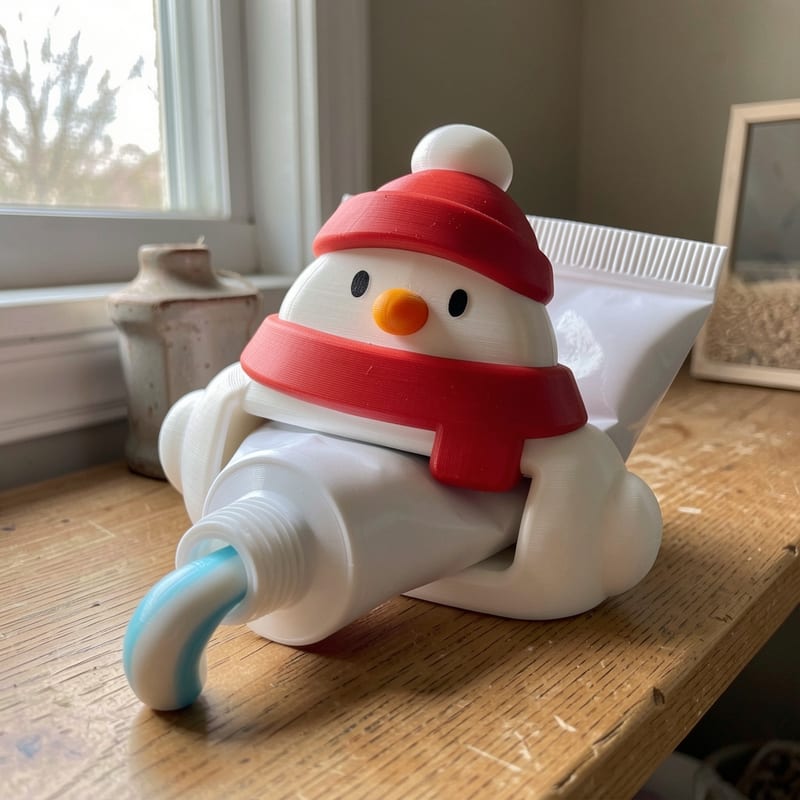
| Toothpaste squeezer | Wet hands, steady pressure | The slot that grips the tube |
| Makeup, lipstick or hair clip holders | Steam, light splashes | Very little, keep it dusted |
Soap dishes
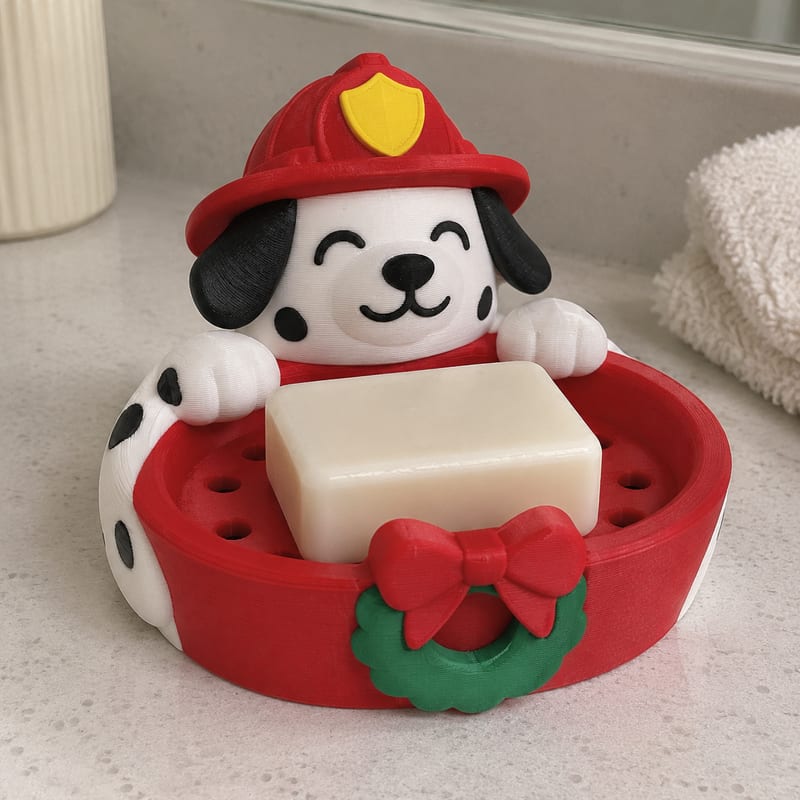
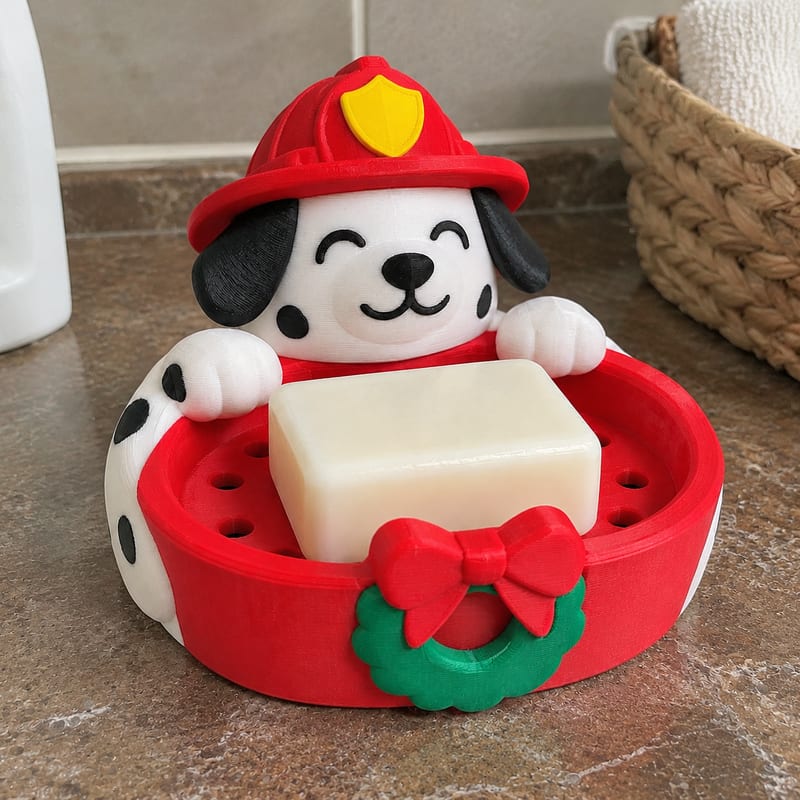
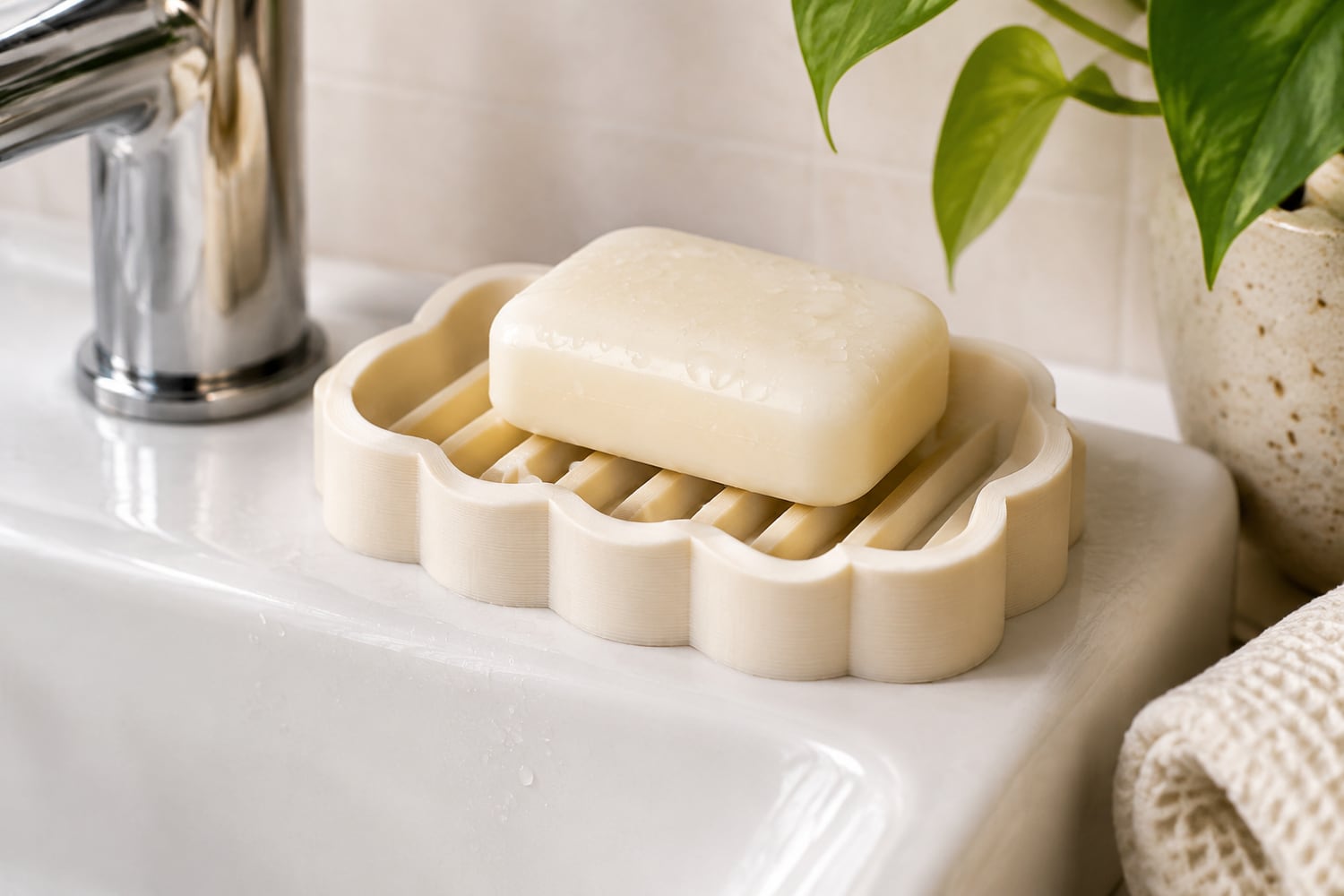
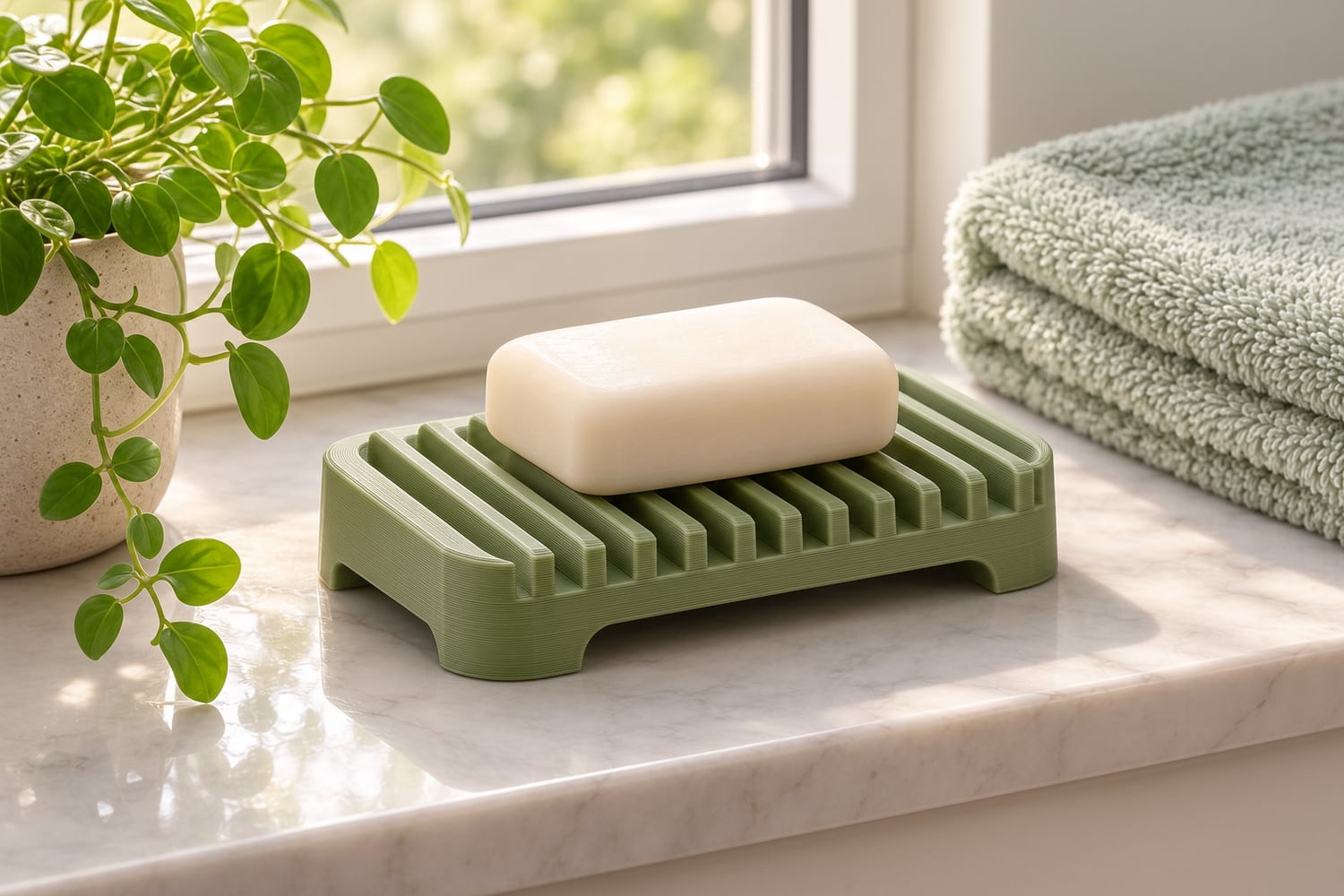
This is where PLA gets tested hardest. QIDI estimates that an uncoated PLA soap dish with good drainage, printed with good settings, should last 3–6 months in a bathroom before you notice softening or discoloration (QIDI EU). Treat that as a rough guide from one manufacturer, not a guarantee. A dish on the sink that dries out between uses will usually do better than one on a shower ledge in the spray. A design with open slots, like this draining soap dish, gives water somewhere to go.
Sink caddies and brush holders
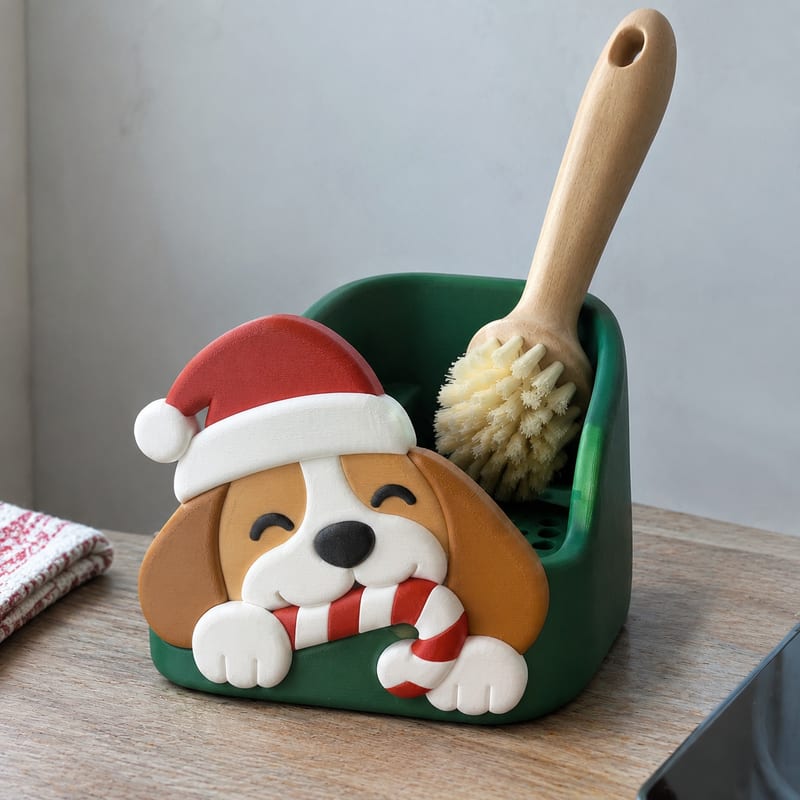
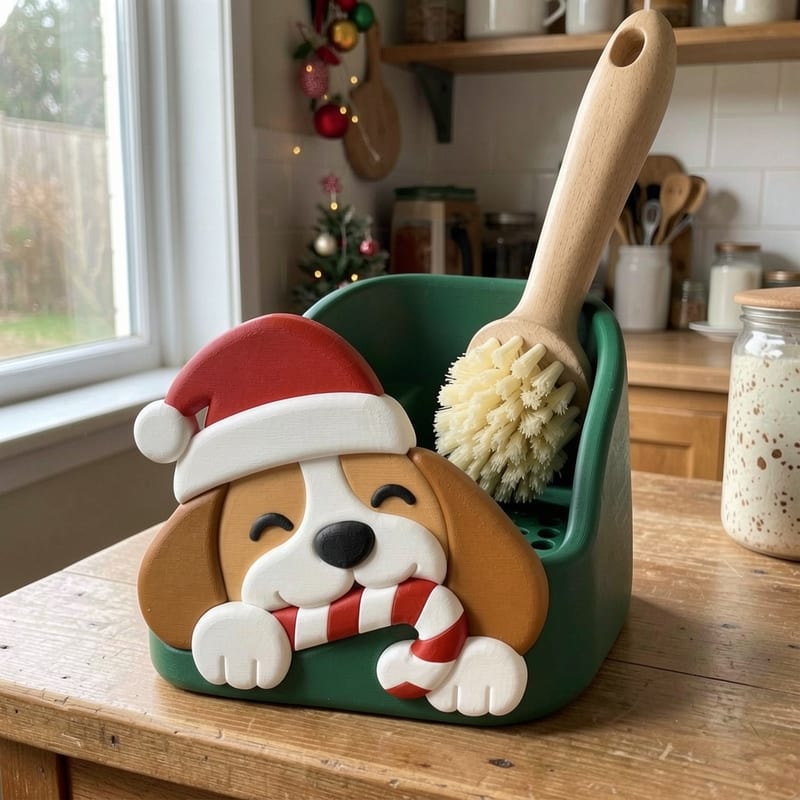
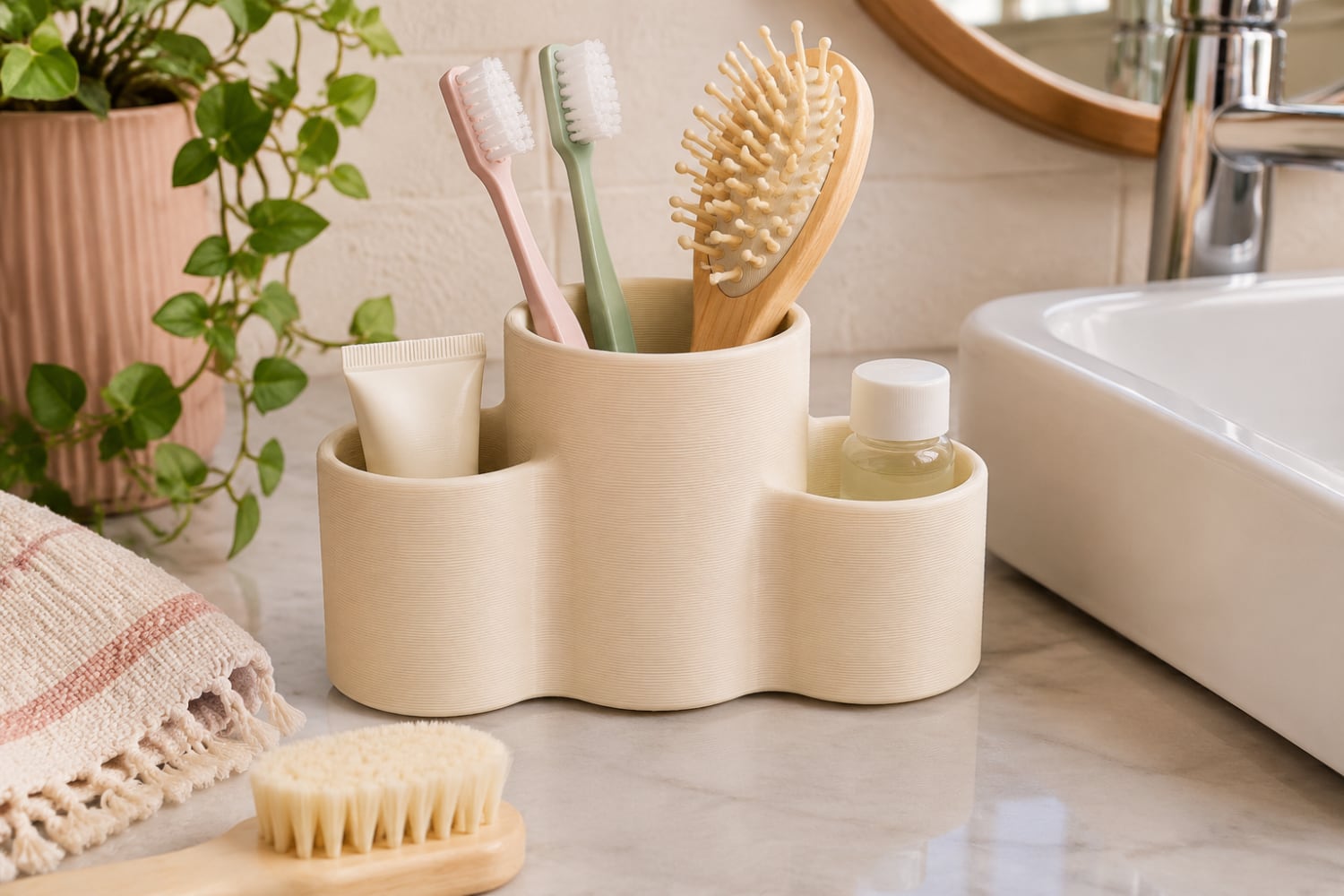
A dish brush goes back into its caddy soaking wet, often with soapy water still in the bristles. If the base collects that water, empty it. A caddy that drains or lets air through underneath lasts longer.
Razor stands and toothpaste squeezers
These stay mostly dry, so water isn't the main issue. The parts that take a steady load are. Hang the razor gently and don't force a full tube through a squeezer slot. Wipe off drips rather than leaving them to sit.
Counter and vanity organizers
Makeup organizers, lipstick holders and wall-mounted clip holders only see steam and the odd splash. In a normal bathroom they behave much like they would on a dresser.
Mold and layer lines: why design matters
Printed soap dishes don't grow mold because of the plastic. Mold grows on the organic soap scum, not the plastic itself (Siraya Tech). The problem is that printed surfaces give scum somewhere to hide.
Layer lines on the outer surface form grooves typically 20–100 microns deep, depending on layer height (Spoolhound). One forum thread on printed soap dishes put it simply: the only issue is layer lines plus water, because bacteria grows in the gaps (Overclockers forum). Standing water plus soap residue feeds bacteria and mold in those lines.
The same grooves are why printed PLA and PETG aren't food-safe by default. Use a sink caddy for brushes and sponges, not for holding food. Our food safety guide covers kitchen pieces in more detail.
What good bathroom design looks like
Design matters as much as the material. When you shop, look for:
- Raised soap. Designs that lift the soap at least 6 mm (about 1/4 inch) off the water layer last longer and help the soap last longer too (Siraya Tech).
- Rounded inside corners. Sharp inside corners trap soap residue and mold (same source).
- Real drainage. Slots or holes that let water fall through, not a flat tray where it pools.
- Easy access. Surfaces you can reach with a cloth or brush.
Never the dishwasher
This one is simple. A PLA part should never go in a dishwasher, because a normal cycle runs at 60–70°C (140–158°F), straight through PLA's softening range (QIDI). Even if it comes out looking fine once, it can warp the next time.
The same goes for very hot tap water, a kettle rinse or a soak in a bowl of steaming water. Use cool or lukewarm water. Our guide on how to clean 3D printed items walks through washing step by step.
Care tips for printed bathroom and kitchen pieces
- Rinse with cool or lukewarm water. Never hot.
- Let it dry. Tip the soap off the dish or stand it on its edge for a while each day so the base can dry.
- Wipe off soap scum weekly. A soft cloth or an old soft toothbrush gets into the slots and layer lines.
- Keep it out of the spray. A soap dish on the sink or a shelf outside the direct shower stream lasts longer.
- Don't overload it. Avoid hanging heavy wet items from printed hooks or arms.
- Water plants away from the holder. For printed air plant holders, take the plant out, soak or mist it, let it drip dry, then put it back.
- Check it now and then. Softening, a chalky look, discoloration or a lingering smell mean it's time to replace it.
If something cracks, our post on fixing a broken 3D print covers which glues work on PLA.
When to choose PETG or a sealed finish
PLA is fine for most sink-side and vanity pieces. If an item will live in the shower spray or sit wet most of the day, it's worth asking the maker about other options.
PETG
PETG handles heat and moisture better than PLA and is a common choice for parts that stay wet. Our PLA vs PETG guide explains the trade-offs for home use. Listings usually say which material a piece is printed in. If it doesn't, ask before you buy.
Sealed or coated prints
Some makers coat bathroom pieces to fill the layer lines. Forum users suggest a varnish or a coat of UV resin for exactly this purpose (Overclockers forum). A smooth coating gives soap scum fewer places to cling and makes wiping easier. It doesn't make the piece dishwasher-proof or food-safe on its own, so the hot water rules still apply.
The bottom line
PLA can get wet. It won't dissolve, and plain cool water barely touches it. Heat, soap scum and standing water are what shorten its life, so pick pieces with good drainage, keep them out of hot water and the dishwasher, and let them dry between uses.
On Filagora, makers print bathroom and kitchen pieces to order, and you can browse the Kitchen & Bath section and check each listing for its material before you buy.
Frequently asked questions
Can PLA get wet?
Yes. PLA handles splashes, rinses and cool water without dissolving or softening. Problems come from hot water, soap residue and water that sits on it for long periods.
Will PLA melt in hot water?
It can soften and warp. PLA's glass transition range is about 57–70°C (135–158°F), so very hot tap water, kettle water or a dishwasher cycle can deform it, while normal shower-temperature water won't melt it but does speed up wear.
Do 3D printed soap dishes grow mold?
Mold grows on soap scum, not on the plastic, but layer lines give scum and water places to sit. A dish with good drainage, raised soap and rounded corners, wiped clean weekly, stays much cleaner.
How long does a PLA soap dish last?
One filament maker estimates an uncoated PLA soap dish with good drainage lasts about 3–6 months in a bathroom before softening or discoloration shows. Keeping it out of the shower spray and letting it dry between uses helps it last longer.
Can you put 3D printed items in the dishwasher?
Not PLA items. Dishwasher cycles run around 60–70°C, which is right in PLA's softening range, so hand rinse with cool or lukewarm water instead.
Pieces from this guide
Printed to order by makers on Filagora.