Will PLA Melt? 3D Printed Decor Near Lights, Candles and Heat
PLA softens around 55-65°C, long before it melts. Where printed decor is safe: Christmas lights, candles, radiators, hot cars, dishwashers and sunny windows.
By the Filagora team · November 13, 2026 · 8 min read
PLA won't melt anywhere in a normal home, but it can soften, sag and warp at temperatures you'll find on a summer dashboard, an old incandescent bulb or the top of a hot radiator. The number that matters isn't the melting point. It's the softening point, which for PLA sits around 55–65°C (131–149°F), according to Sales Plastics.
Most 3D printed decor is printed in PLA, so it's worth knowing where that line is. Here's how it plays out on the tree, near candles, by the radiator, in the car and at the kitchen sink.
Melting point vs. softening point
Search for PLA's heat limit and you'll often see a figure like 160°C, which sounds reassuring. That figure is real, but it's the wrong one for decor. One supplier lists PLA's melting point at 150–180°C (302–356°F) and its glass transition temperature at only 55–65°C (Sales Plastics).
The glass transition temperature is where the plastic stops being rigid and starts behaving more like stiff rubber. A print doesn't turn into a puddle there. It just loses the ability to hold its shape. KnowDepot puts the sagging point at roughly 55–61°C, and manufacturer heat deflection figures land in the same 55–60°C range (PrintPal).
Sources don't agree to the exact degree, so treat roughly 55°C (131°F) as the point where you should start paying attention. Below that, PLA decor is stable. Above it, shapes can slowly change.
Heat isn't the only factor
Temperature sets the stage, but it isn't the whole story. JLC3DP notes that how PLA deforms depends on temperature, load, geometry, print orientation and exposure time. In practice, that means:
- Load: a wall hook holding a coat or a stand holding a bottle will droop sooner than an empty vase.
- Geometry: thin, unsupported parts like star points, long arms and delicate leaves bend first.
- Time: a few minutes near warmth is very different from a whole season in the same warm spot.
Prints can also warp long after they leave the printer. XDA Developers describes perfectly good prints ruined by direct sunlight, warm electronics, or a room that got hotter than expected (XDA Developers).
On the tree: lights, ornaments and toppers
Modern LED string lights are fine with PLA ornaments. Ornament guides say the same thing: PLA softens around 55–60°C, LED lights are fine, and you should keep ornaments off old incandescent bulbs (Mandarin3D).

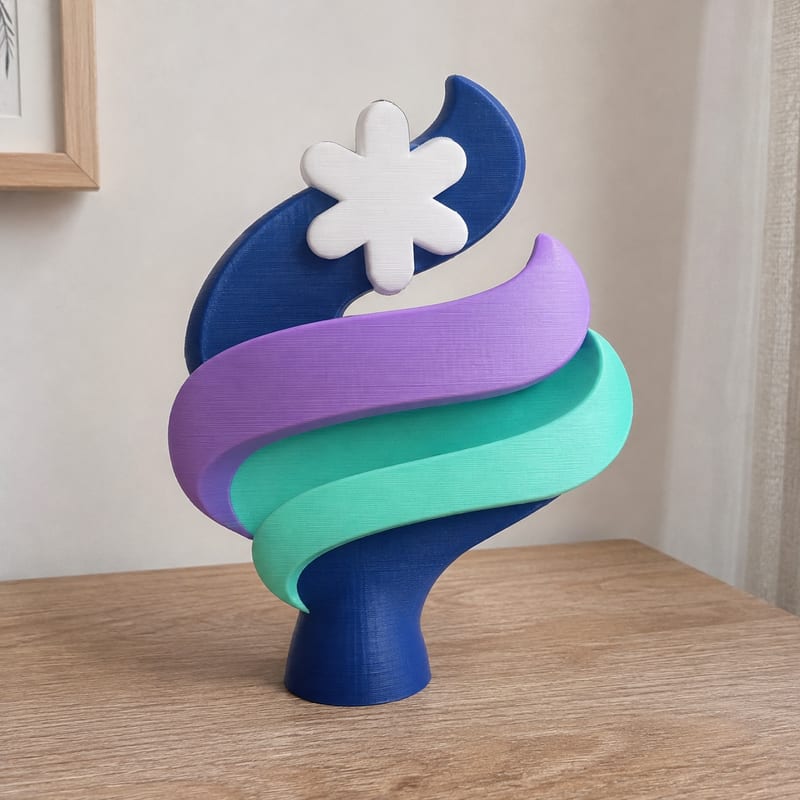
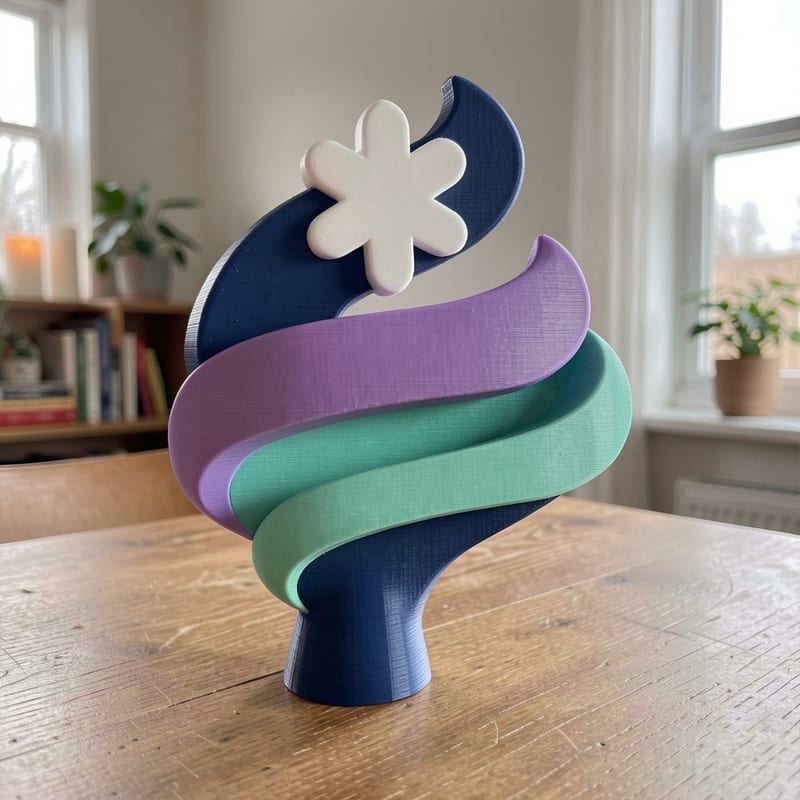
If you still use older incandescent strings, the kind that feel warm to the touch, don't let a printed ornament rest against a bulb, and don't wrap a strand tightly around a printed topper. A topper like this aurora borealis tree topper star sits at the very top, often surrounded by a tight cluster of lights, so check what's touching it once you finish decorating.
A few more tree habits that help:
- Hang ornaments so they dangle free rather than pressing on a bulb.
- Watch the topper. It usually rests its weight on one branch tip, which is exactly the load-plus-warmth combination that causes slow droop.
- Keep the whole tree away from heat. An ornament guide citing the NFPA's holiday fire safety tips recommends keeping the tree at least three feet from heat sources (Aoseed).
Candles and fireplaces
This is the one spot where the worry is fire, not just warping. Keep open flames away from printed decor entirely.
The fire-safety numbers explain why. The Illinois State Fire Marshal says more than one-third of home decoration fires are started by candles, and the top three days for home candle fires are Christmas Day, New Year's Day and New Year's Eve (Illinois State Fire Marshal). According to the NFPA, candle fires peak in December and January (First Alert).
The fire marshal's guidance is to keep lit candles at least 12 inches from decorations or anything that can catch fire (Illinois State Fire Marshal). With printed decor, go further:
- Don't put a real candle inside a printed lantern, holder or centerpiece. Use LED tea lights.
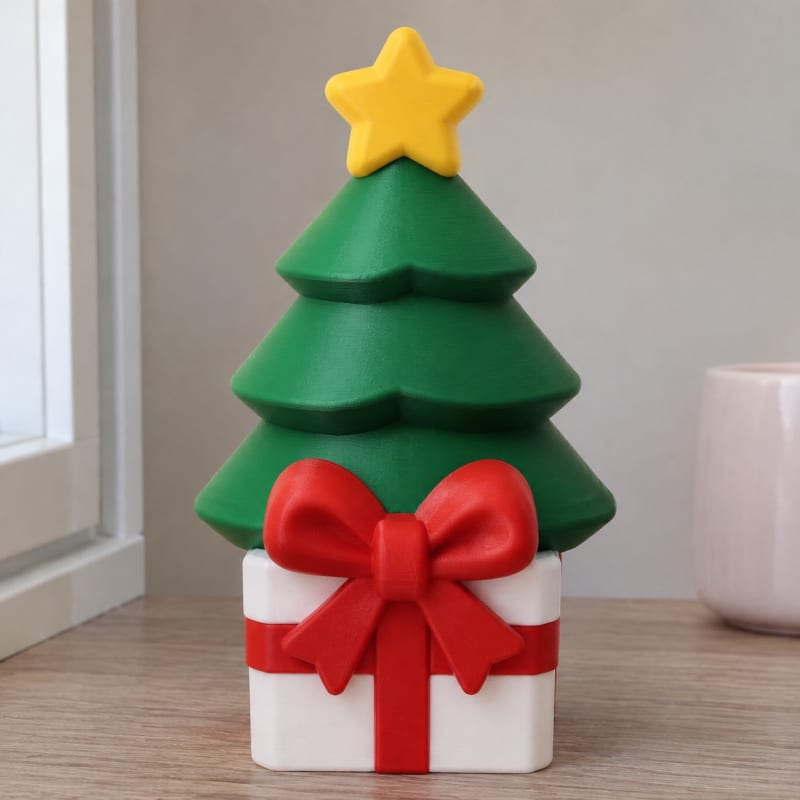
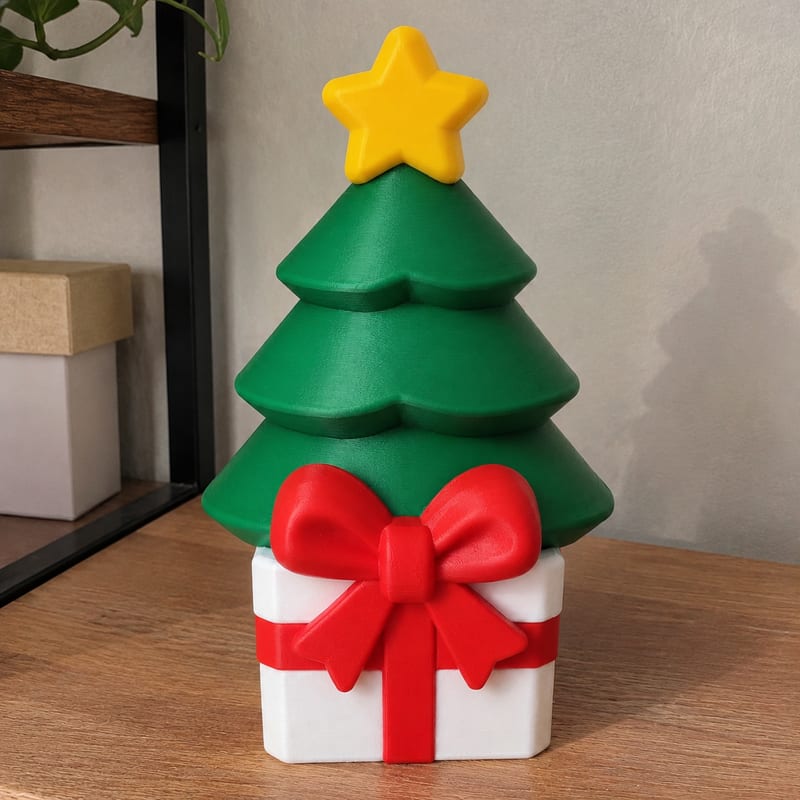
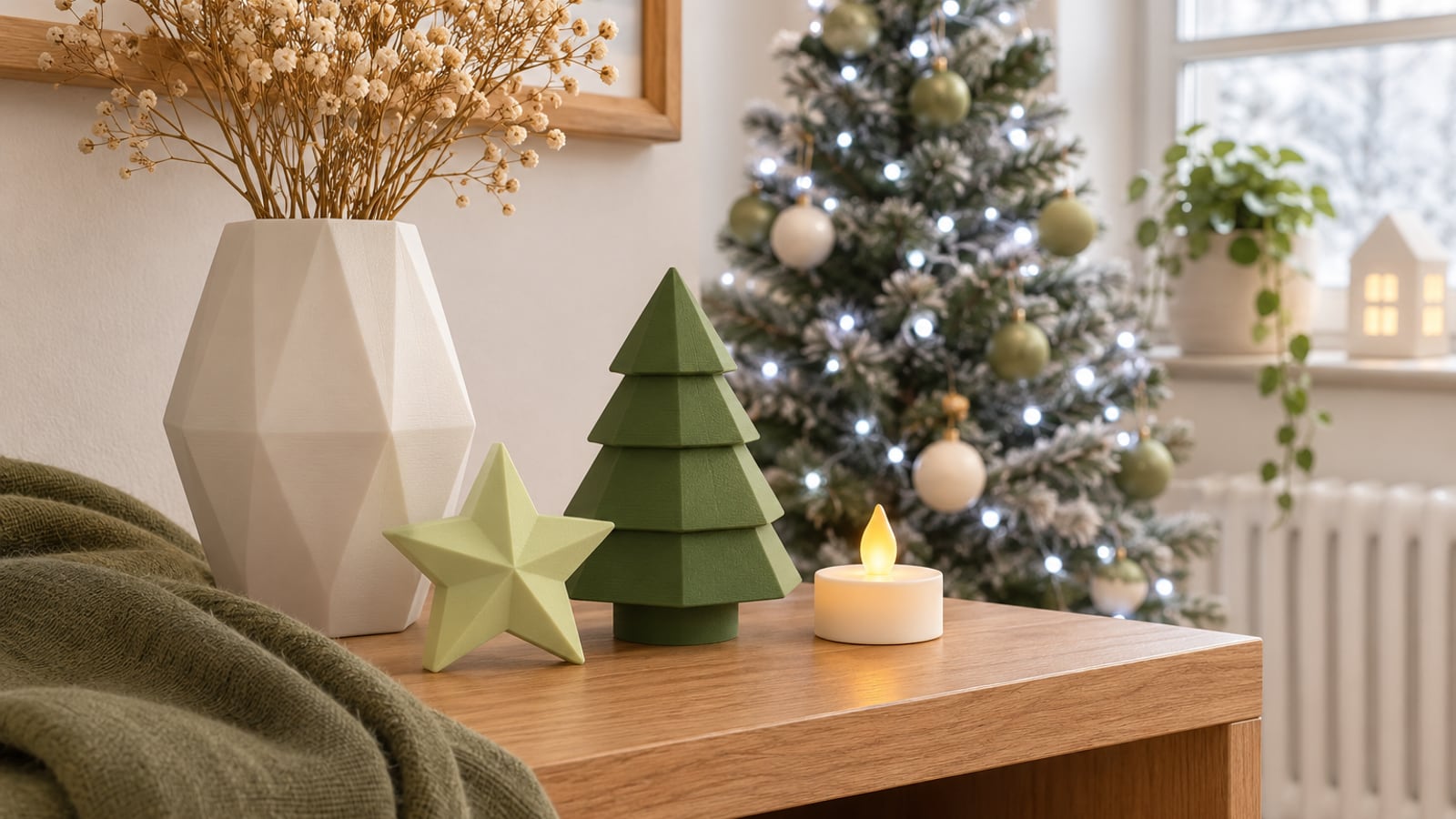
- Pick battery-powered pieces when you want a glow. A battery-operated gift box tabletop tree gives you light without a flame.
- Don't line a mantel with printed items directly above a working fireplace. Heat rises, and whatever sits there takes it all evening. A shelf across the room is a better home for a printed vase or card holder.
Radiators, sunny windows and warm electronics
These are the winter spots that hobby guides tend to skip, and they're where most indoor warping actually happens.
Radiators and heaters
Radiator and heater surface temperatures vary a lot by type and setting, so there's no single safe distance. A practical rule of thumb: if a surface is too hot to rest your hand on comfortably, it's too hot for PLA. Don't stand printed decor on top of a radiator, and don't hang printed wall art directly above one, where warm air rises over it all day. Treat space heaters and floor vents the same way.
Sunny windowsills
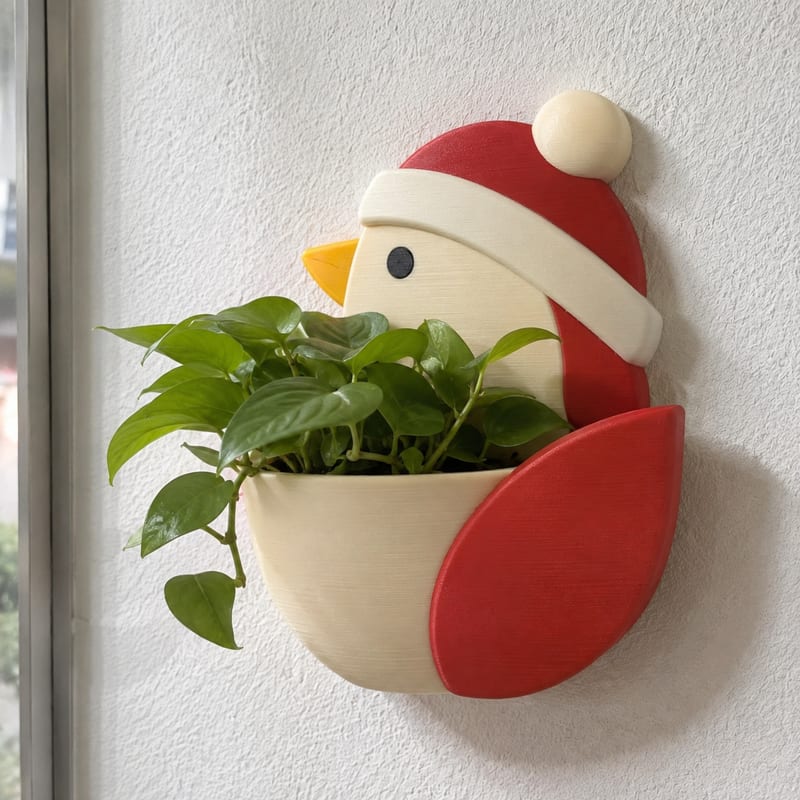
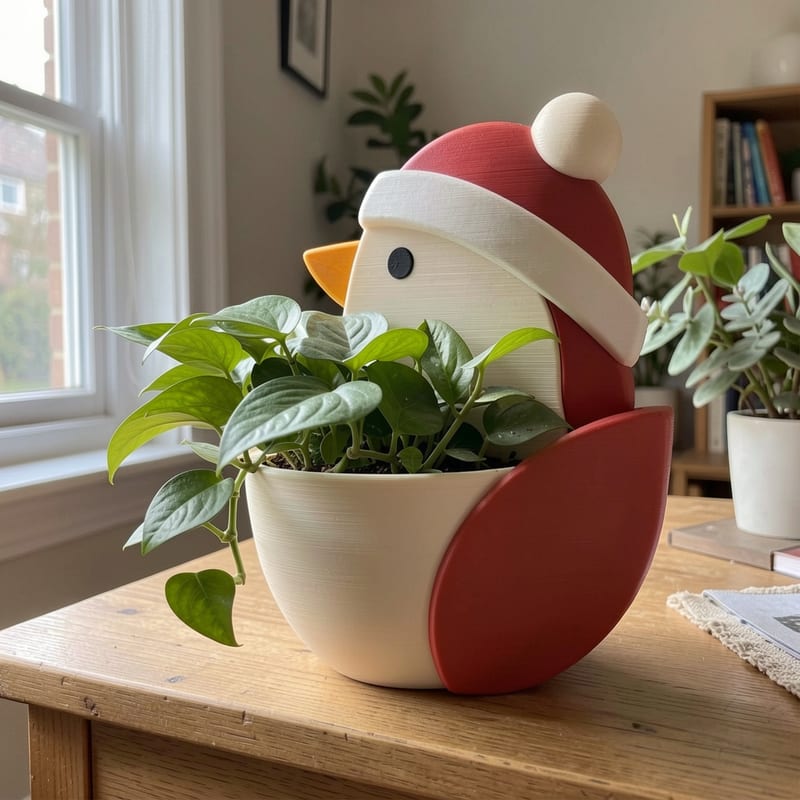
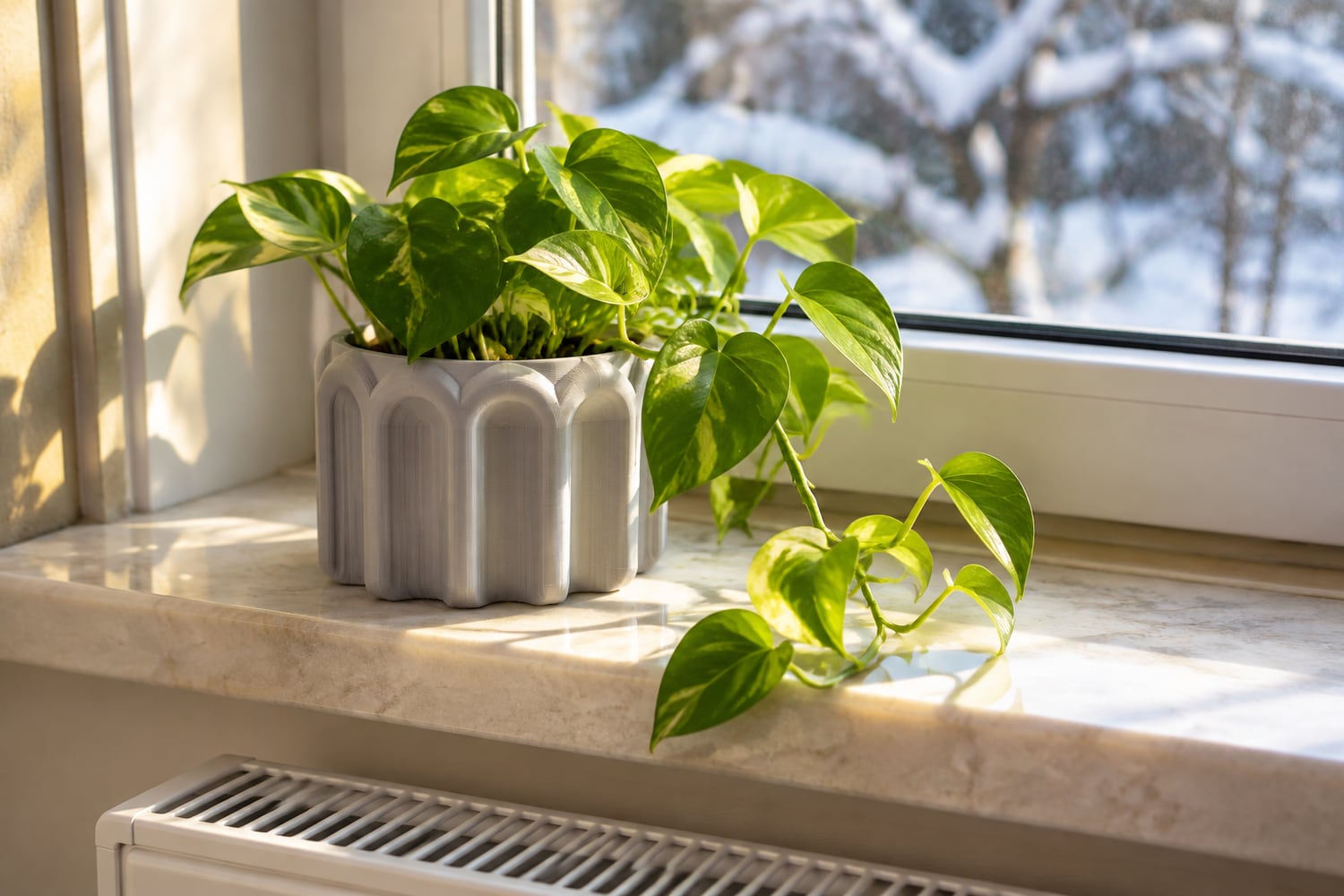
A windowsill in winter can feel cold to you while an object sitting in direct sun behind the glass gets much warmer. Dark colors absorb more sunlight and run warmer than light ones. A printed planter or figurine on a bright sill is usually fine in winter, but the same spot in midsummer is a real risk. If you're putting a planter in a window, our guide on whether a 3D printed vase can hold water covers sun and watering together.
Electronics
The top of a game console, cable box, router or laptop vent is a sneaky warm spot. A headphone stand or cable organizer sitting right on a vent can slowly lean or bend over weeks. Give printed pieces a little air gap from anything that blows warm air.
Hot cars
This is the question most people search, and the answer is clear. Interior car temperatures on hot days can reach 70–80°C (158–176°F), above PLA's glass transition temperature, which is enough to make printed parts warp or droop without fully melting (Sales Plastics).
Keyedworks has a good practical rule: on the floor, in the shade, in spring, probably fine. On the dashboard or rear shelf in July, no (Keyedworks).
So if you're carrying printed gifts around, bring them inside rather than leaving them in a parked car on a sunny day. Anything meant to live in a car, like a phone mount or clip, should be printed in something tougher than PLA (more on that below).
Kitchen and bath: dishwashers, hot water and hot tools
Dishwashers
The sources split here. FacFox says PLA is heat-sensitive and definitely not safe for the dishwasher, and recommends washing with lukewarm water and a mild antibacterial detergent (FacFox). Hackaday points out that annealed (heat-treated) PLA can handle a rinse in boiling water, so a dishwasher run is fine for those parts (Hackaday).
Both can be true. The catch is that you can't tell by looking whether a print was annealed. The honest advice: hand-wash in lukewarm water unless the maker's listing says otherwise.
One more kitchen point: printed PLA and PETG aren't food-safe by default. Layer lines leave tiny grooves that hold bacteria, even after washing. Our guide to whether 3D printed items are food safe goes into detail.
Hot water and hot pans
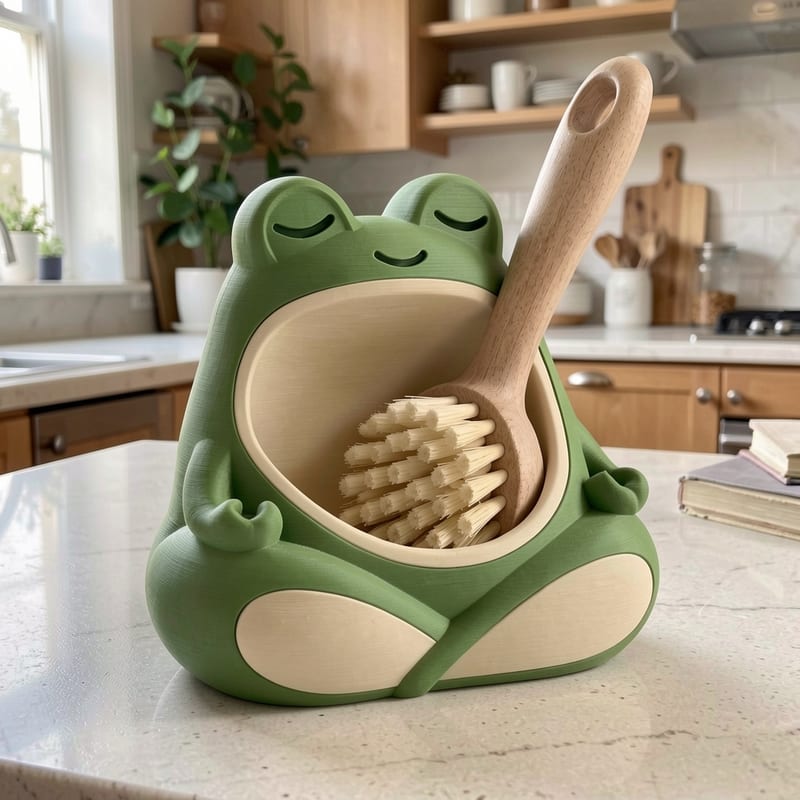
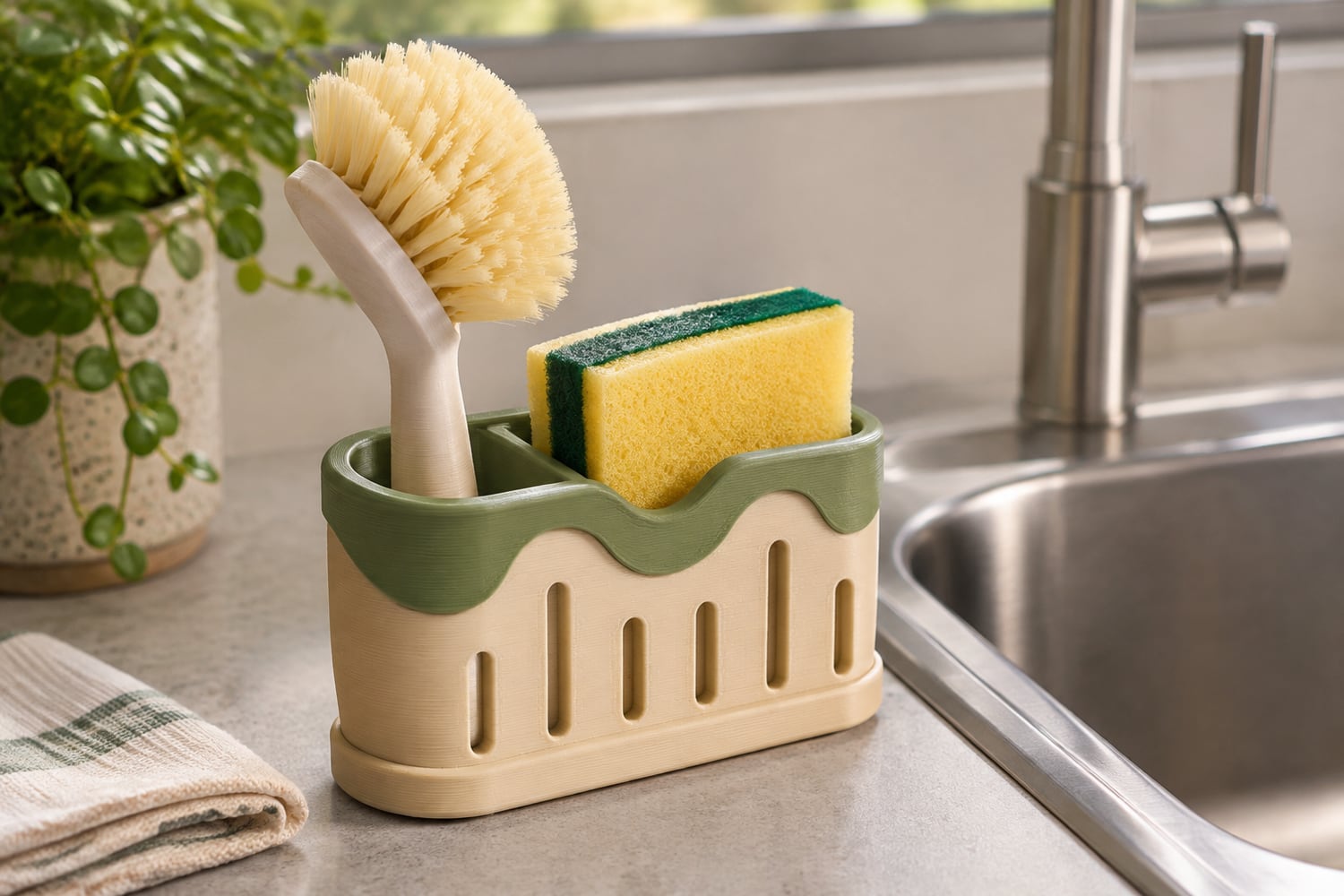
A dish brush holder or soap caddy by the sink handles normal splashes and lukewarm rinses fine. Don't pour boiling water over printed pieces, and never use one as a trivet for a hot pan or kettle.
Hair tools
Curling irons, flat irons and hot hair dryer nozzles run far hotter than PLA's softening point. A printed comb holder or vanity organizer is fine for brushes and cool tools, but don't set a hot iron down on it or tuck a just-used dryer against it. Let tools cool on a heat-safe mat first.
PLA vs. PETG vs. ABS: what to ask the maker
PLA is the most common material for decor because it prints cleanly and comes in a huge range of colors. For warmer jobs, makers reach for other materials. One buying guide sums up the split: planters, garden brackets, mailbox flags and car accessories should be PETG, while indoor decor, desk organizers and display pieces are fine in PLA (UGEE).
| Material | Heat tolerance | Good for | Keep away from |
|---|---|---|---|
| PLA | Softens around 55–65°C | Indoor decor, desk organizers, display pieces, ornaments | Hot cars, radiators, direct summer sun, dishwashers, flames |
| Annealed PLA | Can handle a boiling-water rinse | Parts that need occasional hot washing | Flames, hot tools |
| PETG | Higher than PLA | Planters, outdoor pieces, car accessories | Flames, hot tools; hand-wash unless stated |
| ABS | Higher than PLA | Parts near mild warmth | Flames, hot tools |
No common printing plastic belongs near an open flame or a hot iron, whatever it's made of.
When you're buying a printed piece for a warm spot, check the listing or message the maker and ask:
- Which material is it printed in?
- Has it been annealed or heat-treated?
- Is it fine to hand-wash, or dishwasher-safe?
- Where would you not put it?
A good maker will answer plainly. If a listing doesn't say, assume PLA and place it accordingly.
Quick placement checklist
Fine for PLA decor:
- On a tree with LED lights
- Shelves, desks, side tables and nightstands away from heat
- Bathroom vanities, as long as hot tools stay off it
- By the sink for brushes and sponges, rinsed in lukewarm water
- Winter windowsills, with a check on dark pieces in strong sun
Keep PLA decor away from:
- Open flames and real candles, entirely
- Old incandescent bulbs touching the print
- Tops of radiators, heaters and vents, or walls directly above them
- Mantels over a working fireplace
- Car dashboards and rear shelves in warm weather
- Dishwashers and boiling water, unless the maker says otherwise
- Electronics vents
For outdoor and cold-weather placement, see can PLA be used outside, and for general upkeep, how long 3D printed items last.
Everything on Filagora is printed to order by independent makers, and most listings note the material, so it's easy to check before a piece goes on the tree, the mantel or the vanity.
Frequently asked questions
At what temperature does PLA melt?
PLA melts at roughly 150–180°C (302–356°F), but it softens and starts to lose its shape much earlier, around 55–65°C (131–149°F). For decor, the softening point is the number that matters.
Will PLA melt in a hot car?
It won't turn liquid, but it can warp or droop. Car interiors on hot days can reach 70–80°C, which is above PLA's softening point, so don't leave PLA items on a dashboard or rear shelf in warm weather.
Are 3D printed ornaments safe near Christmas lights?
Yes with LED lights, which run cool. Keep PLA ornaments from resting directly against old incandescent bulbs, which can get warm enough to soften them.
Can you put a candle in a 3D printed holder?
Not a real one. Keep open flames away from printed decor entirely and use LED tea lights or battery-powered lights instead.
Can 3D printed items go in the dishwasher?
Standard PLA shouldn't, because dishwasher heat can warp it. Annealed PLA and some other materials can handle it, but since you can't tell by looking, hand-wash in lukewarm water unless the maker says otherwise.
Pieces from this guide
Printed to order by makers on Filagora.