Are 3D Printed Ornaments Durable? Lights, Storage and Years of Use
Are 3D printed ornaments durable? How PLA and PETG ornaments handle tree lights, sunny windows and hot attic storage, and how they compare with glass.
By the Filagora team · November 21, 2026 · 8 min read
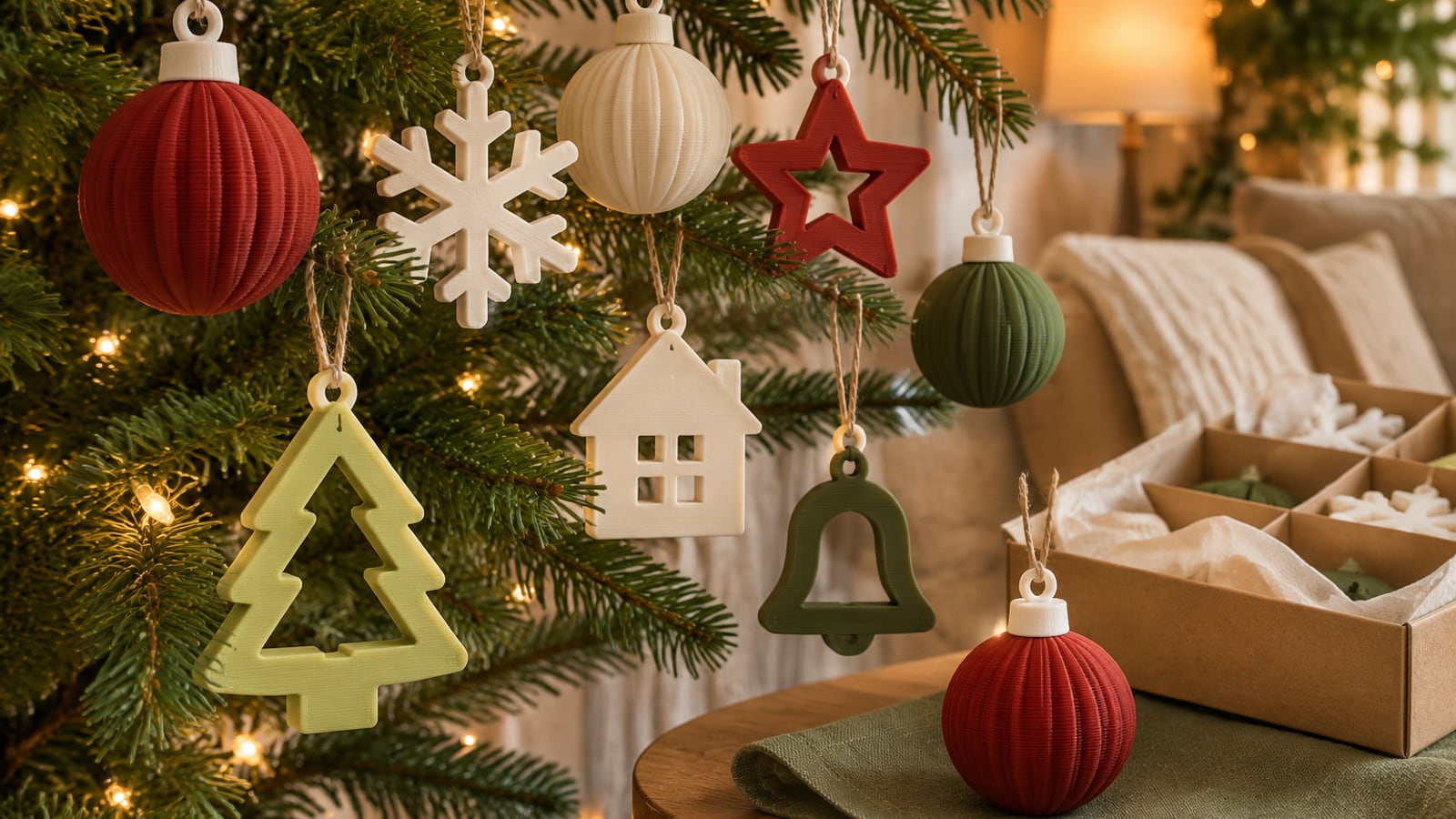
Yes, a well-made 3D printed ornament can go back on the tree year after year. The real threat is heat, not handling. A printed ornament survives a drop that would end a glass bauble, but PLA, the most common ornament plastic, softens at around 55 °C (JLC3DP). A hot attic in July or a sunny windowsill is a bigger risk than the tree itself.
One buyer's guide puts it plainly: printed ornaments can be durable enough for yearly use, but only when they're designed, printed and cared for with that in mind. Some last over a decade, and others crack after a single season (Alibaba product insights). The difference usually comes down to three things: the plastic, the thin spots in the design, and where the ornament spends its summers.
What 3D printed ornaments are made of
Printed ornaments are made from thermoplastics, and those vary widely in strength, flexibility and resistance to heat and sun (Alibaba). Three come up most often.
- PLA. This is the default for most makers. It prints crisp detail and comes in a huge range of colors and finishes. It's rigid and stable indoors, but it's the most heat-sensitive of the three. A typical commercial example lists "Material: 100% PLA" (3eliott).
- PETG. It's tougher and slightly more flexible than PLA, and it handles warmth better. That makes it a safer pick if you can't promise cool storage.
- ABS. It's heat-tolerant and durable. One maker supplier recommends ABS or a similar thermoplastic if you want to reuse ornaments for years (Additive-X). Fewer small makers use it because it needs an enclosed printer and gives off fumes while printing.
Here's the plain answer most pages skip. A PLA ornament is fine on an indoor tree as long as it's stored somewhere that stays at room temperature. If it will live in a garage or attic, or hang in a window, ask for PETG. Most listings state the material. If one doesn't, ask the maker before you buy. Our PLA vs PETG guide covers the differences in more detail.
3D printed vs glass ornaments
Glass and printed plastic fail in different ways. Glass breaks when it's dropped. Printed plastic rarely breaks from a drop, but it can warp from heat or snap at a thin point.
| Glass ornament | 3D printed ornament (PLA) | |
|---|---|---|
| Dropped on a hard floor | Often shatters into sharp pieces | Usually bounces; thin parts may chip or snap |
| Heat (bulbs, fireplace, hot storage) | Not affected by household heat | Softens at around 55 °C |
| Direct sunlight | Painted finishes can wear over time | Color can start fading in 2–4 months of daily sun |
| Personalization | Usually painted or etched on | Names and dates can be printed into the shape |
| Repair | Usually not practical | Clean snaps can often be glued |
Sovol, a printer maker, claims printed ornaments like bells are "stronger than glass" (Sovol). That's a manufacturer's claim, not a lab test. It's fair to say a printed ornament is far more forgiving of the cat batting it off a low branch. It's not unbreakable.
Kids and pets
The practical win is that plastic doesn't burst into sharp shards the way thin glass does. That matters if your tree shares a room with a toddler or a dog with a swinging tail. Still, an ornament is decor, not a toy. A snapped-off loop or small detail can become a choking hazard, and pets that chew can break plastic into sharp bits. Hang printed ornaments out of reach of small children and chewing pets the same way you would glass. Don't hand them to children under 12 to play with. For more, see our guide on whether 3D printed toys are safe for kids.
Tree lights: LED vs incandescent
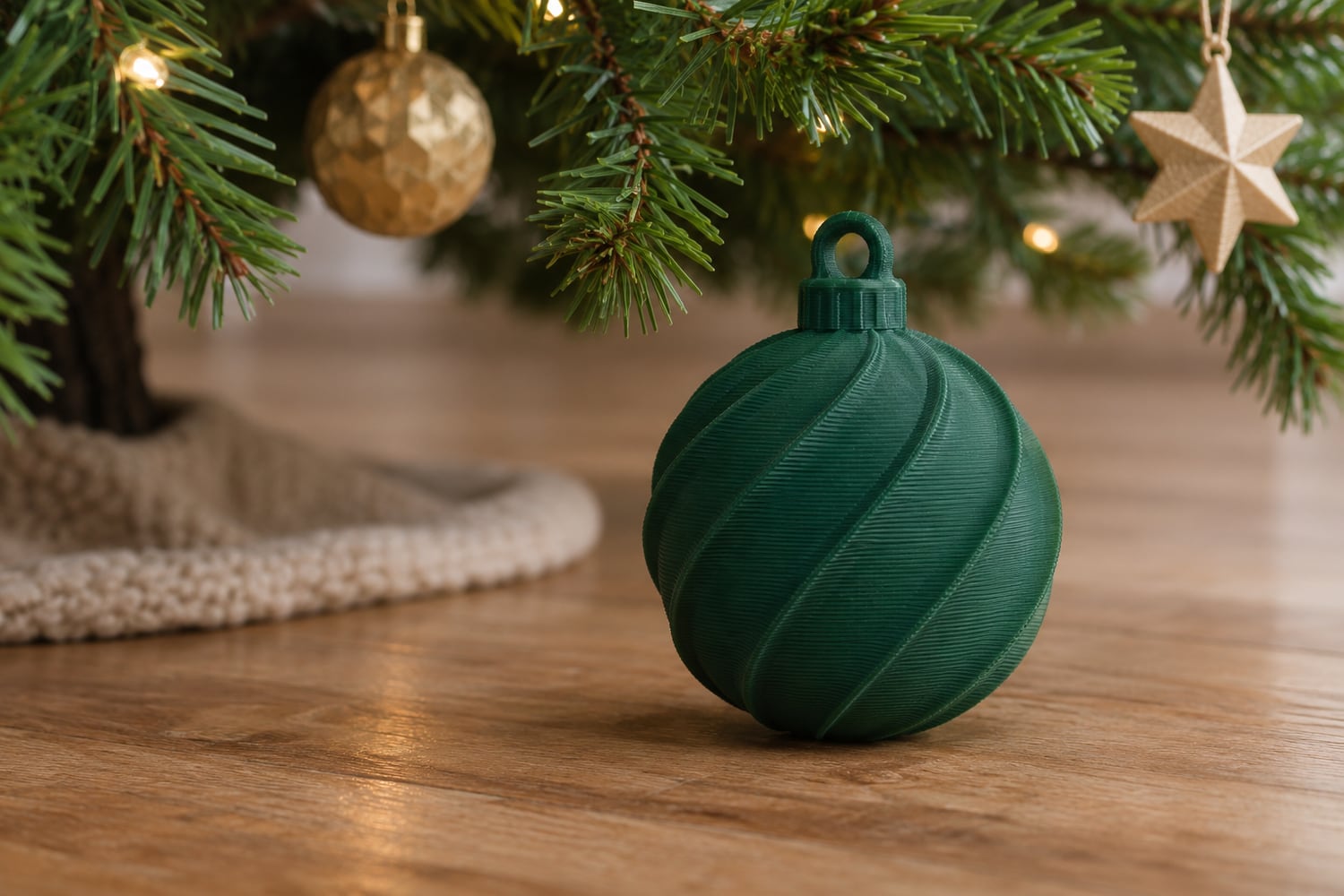
LED tree lights give off far less heat and are the ones recommended for plastic ornaments (Alibaba). If your strings are LED, you can hang printed ornaments anywhere on the tree.
Older incandescent mini lights run warm, so be more careful with them:
- Don't let a bulb rest against an ornament, especially a thin, flat one.
- Hang printed ornaments where they swing free, rather than tucking them deep into a cluster of bulbs.
- Check after the first evening for any softened or drooping edges.
Tree lights won't fade your ornaments, either. Standard indoor lighting, including LED, fluorescent and incandescent, doesn't produce enough UV to cause fading. Only direct sunlight does (3D Central).
The same heat rule applies around the rest of the room. Keep printed ornaments and garland off the mantel above a working fireplace, and away from candles and radiators. Our post on whether PLA will melt goes through common heat sources around the house.
Where printed ornaments fail
When a printed ornament dies young, it's usually at one of four spots.
The hanging loop
The loop carries the whole weight of the ornament and gets yanked every time someone pulls it off a branch. Printed parts are weakest between layers, so a thin loop can split along a layer line. Look for a thick loop or a through-hole for ribbon. Lift ornaments off the branch rather than tugging them. If a loop does snap cleanly, it's often fixable. See our guide to the best glue for broken PLA prints.
Thin, flat designs
Flat, cut-out ornaments look great, but some are very thin. The commercial bauble above measures 10 cm tall and just 0.4 cm deep (3eliott). A piece that thin can snap if it's bent or stepped on. It will also warp faster than a chunky one if it gets warm. Store thin pieces flat and handle them by the body, not the edges.
Sunny windows
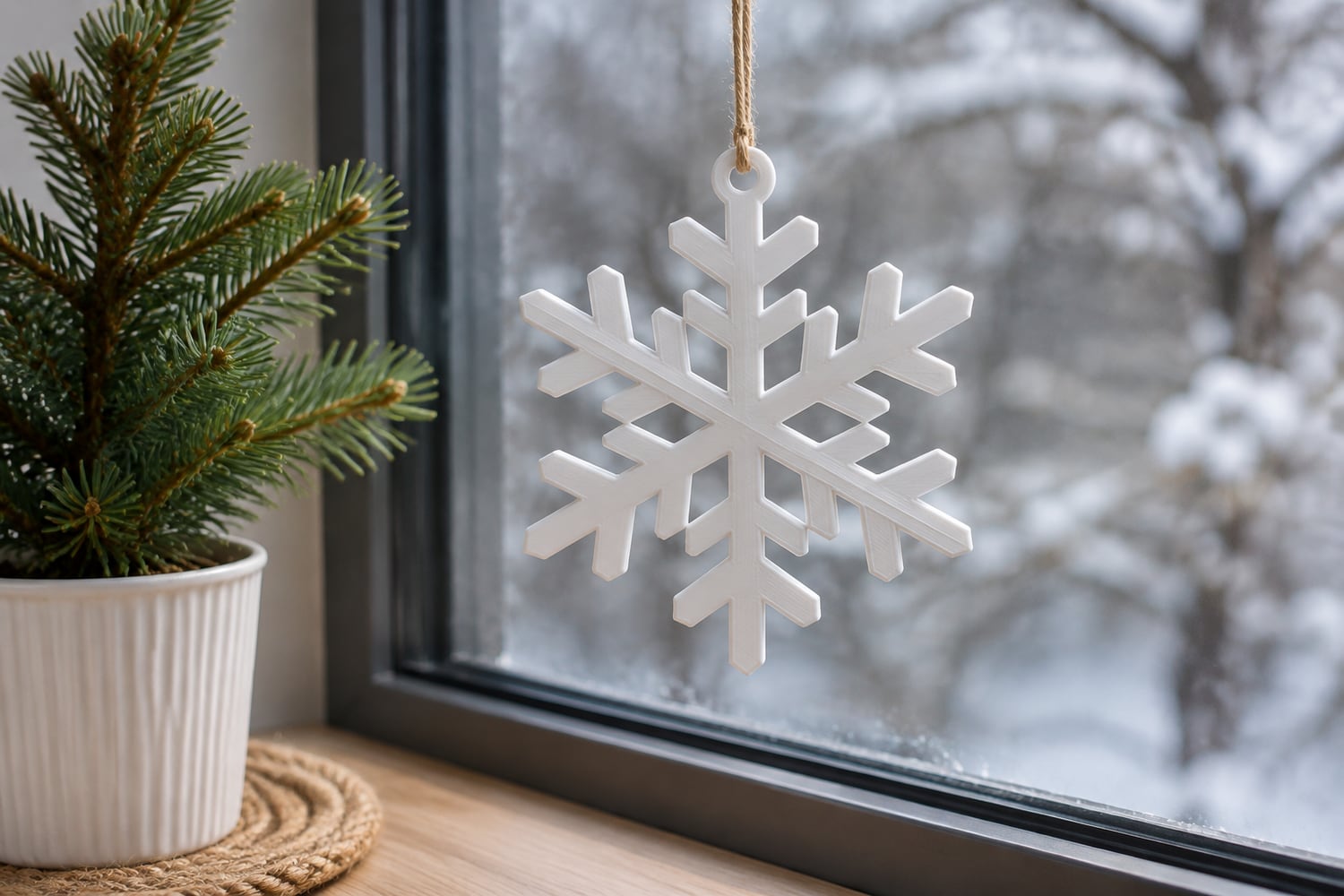
A window display looks lovely, but the sun works against PLA in two ways. Under direct daily sunlight, noticeable color fading can begin within 2 to 4 months (3D Central). Direct sun can also deform PLA through heat alone (JLC3DP). A south-facing window through December can bleach bright reds and greens. Put printed ornaments on the tree, or in a window that doesn't get direct sun.
Outdoors
PLA isn't UV-stable. It becomes brittle and discolored with prolonged outdoor use (Opsytec). JLC3DP still calls it fine for seasonal decorations and for covered spots that stay cool. A wreath under a porch roof for a few weeks is reasonable, but a tree in the yard all winter isn't. Our post on using PLA outside in winter covers outdoor displays in more depth.
Storing ornaments between seasons
This is where most printed ornaments are actually lost, and almost no one talks about it. The main thing that shortens a printed object's life isn't the printing. It's heat and prolonged direct sunlight, and both are easy to avoid (3D Central).
The usual ornament storage spots are the problem. Attics, garages, sheds and car trunks get far hotter than your living space in summer, and PLA starts to soften at around 55 °C. An ornament that sits in a warm box for months, under the weight of other decorations, can come out bent or with a drooping loop.
Where to keep them instead:
- A closet, under a bed, or a cool, dry basement. Anywhere that stays at normal room temperature all year works.
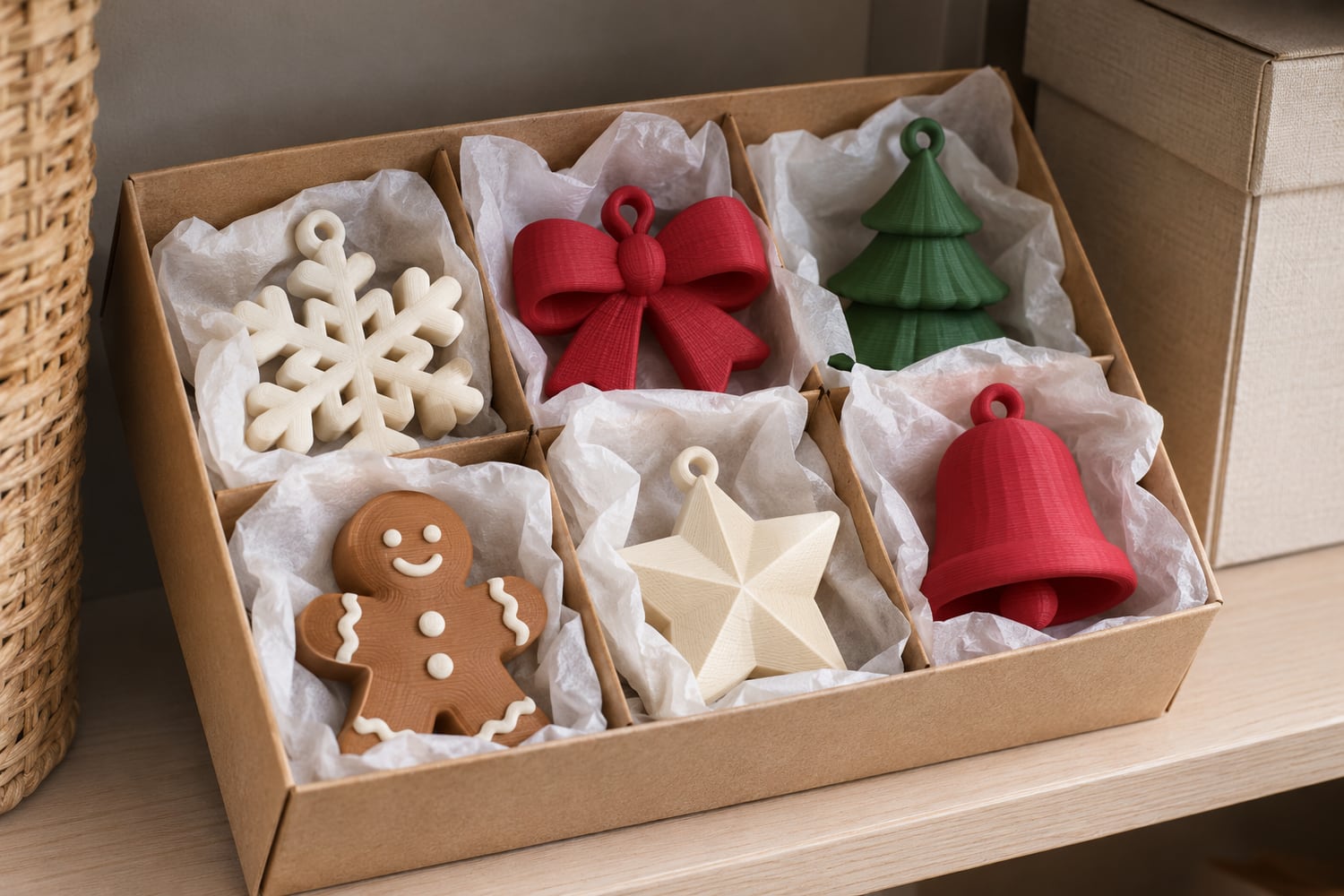
- Wrapped individually in tissue paper or in a divided ornament box, so details don't rub or catch.
- Lying flat, especially thin cut-out designs. Don't stand them on edge or let them lean.
- On top, not underneath. Don't pile heavy decorations on printed pieces.
- Dry. One maker blog notes that PLA degrades under moisture as well as UV (3D-Printed.org), so skip damp sheds and leaky basements.
If the only storage you have is an attic or garage, that's the case for buying PETG or ABS ornaments.
With cool, dry storage, the same blog estimates PLA prints last 10 to 15 years indoors (3D-Printed.org). Treat that as a rough figure, not a guarantee. For general care beyond ornaments, see how long 3D printed items last.
Cleaning and care
Printed ornaments need very little care. One seller's instructions are simply "Clean surface carefully with a damp cloth" (3eliott), and that's the right starting point.
- Dust with a soft, dry paintbrush or makeup brush before packing away. It gets into textured detail and layer lines better than a cloth.
- Wipe with a damp cloth for fingerprints or sticky residue.
- Wash heavily soiled ornaments in lukewarm water with a drop of mild dish soap, then let them dry completely before storing.
- Avoid hot water, the dishwasher and harsh solvents. Heat can warp PLA, and solvents can strip paint or finishes.
Our guide to cleaning 3D printed items has more detail on washing and drying.
Choosing a printed ornament as a keepsake gift
Printed ornaments make good keepsakes. They're hard to break, they can carry names or dates in the shape itself, and they can be made in almost any design. A few things to check before you buy one meant to last:
- Material. PLA is fine for most homes with indoor storage. Choose PETG if the recipient keeps decorations in the attic.
- The loop. It should be thick, or have a ribbon hole, or come with a metal hook through a solid section.
- Thickness. Chunky, rounded designs outlast very thin flat cut-outs.
- Finish. Painted details need gentler cleaning than plain colored plastic.
- Care note. Add a line in the card: store somewhere cool, keep out of direct sun. It's the single most useful thing you can pass on.
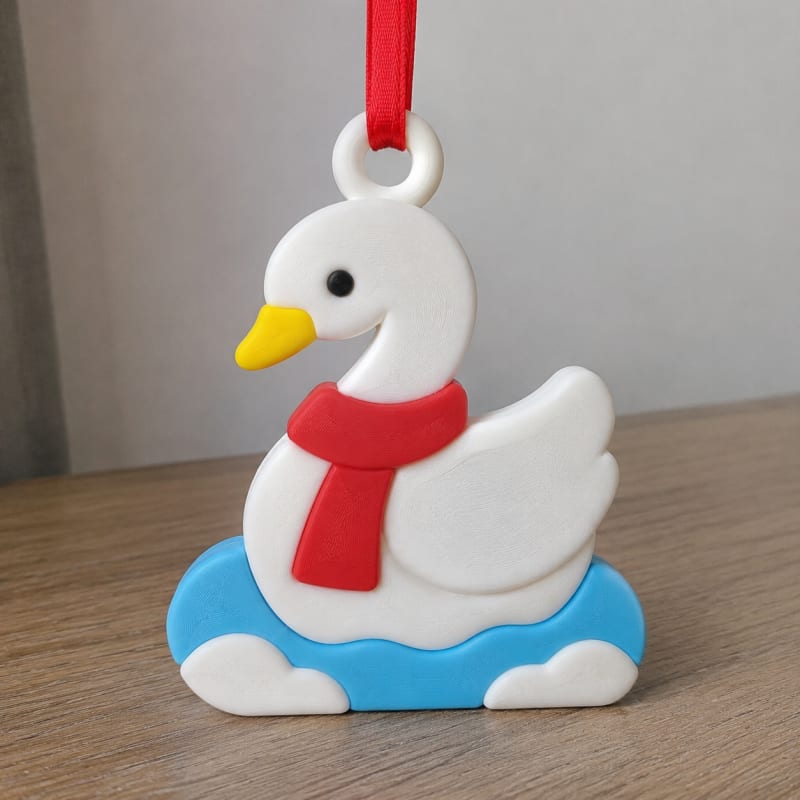
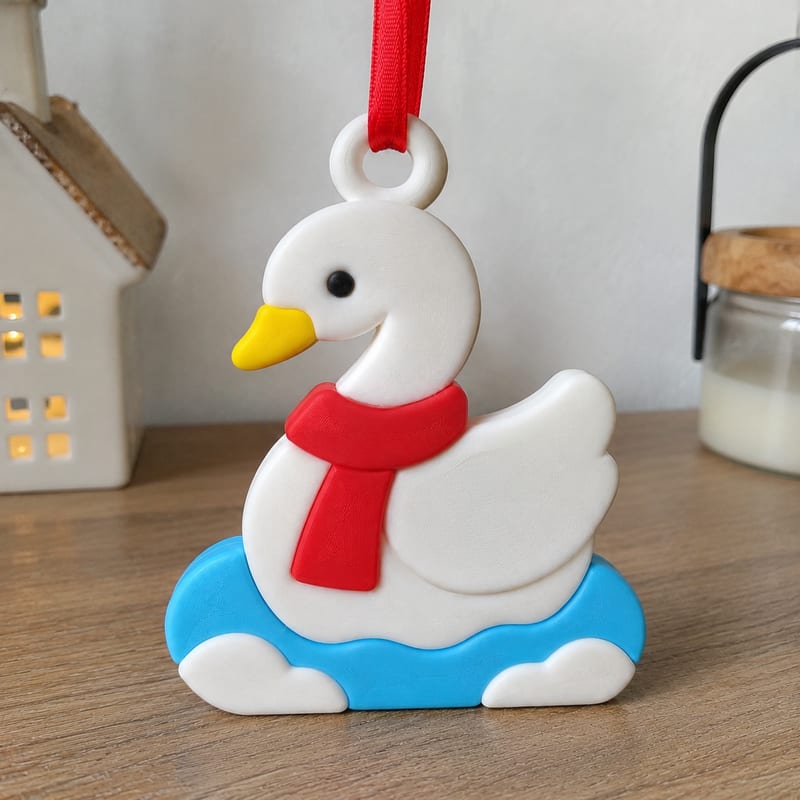
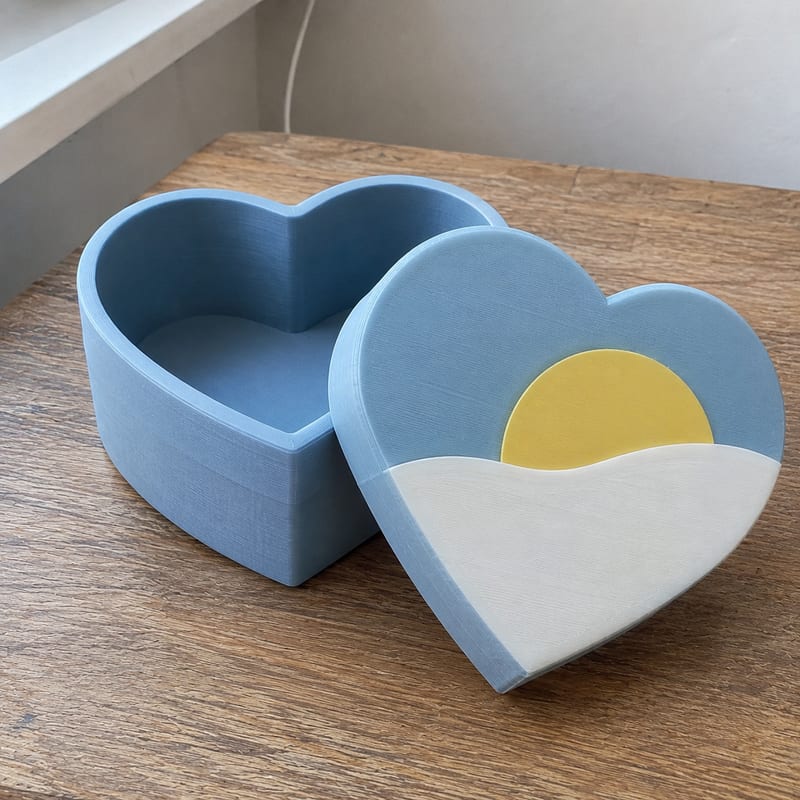
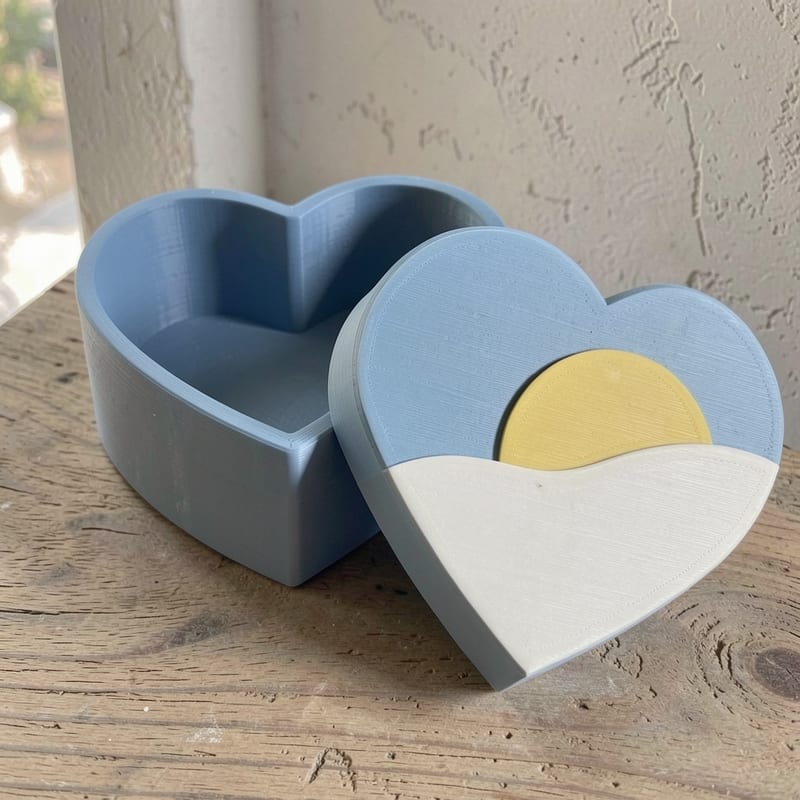
A scene ornament like the Winter Swan on Lake Christmas Ornament works well as a first-year or family keepsake. Packing it in a reusable box, such as the Winter Pale Sun Heart Gift Box, gives it a safe place to live between seasons.
You'll find more printed holiday pieces from independent makers in Filagora's home decor section. Keep any of them cool in summer and out of direct sun, and they'll be back on the tree for a long time.
Frequently asked questions
Are 3D printed ornaments stronger than glass?
They handle drops much better. Printed plastic usually bounces where thin glass shatters, though thin loops and details can still snap. Printer maker Sovol claims printed ornaments are stronger than glass, but that's a marketing claim rather than a test result.
Can 3D printed ornaments melt on a Christmas tree?
Not with LED lights, which give off very little heat and are recommended for plastic ornaments. With older incandescent strings, keep bulbs from resting against PLA ornaments, since PLA softens at around 55 °C.
Can I store 3D printed ornaments in the attic?
It's risky for PLA ornaments, because attics and garages can get hot enough in summer to warp them. Store them in a closet or another room-temperature spot. If the attic is your only option, choose PETG or ABS ornaments.
Do 3D printed ornaments fade?
Not from tree lights or indoor lighting, which don't produce enough UV to cause fading. Direct daily sunlight is different: PLA can start to fade noticeably within 2 to 4 months, so avoid sunny windows.
How long do 3D printed ornaments last?
With cool, dry storage and no direct sun, they can last many years. One maker blog gives a rough estimate of 10 to 15 years indoors for PLA. Heat and sunlight are what shorten that.
Pieces from this guide
Printed to order by makers on Filagora.