How Long Do 3D Printed Items Last? A Buyer's Guide to Care
Indoors, a well-made 3D print lasts many years. Here's what shortens its life (heat, sun, dishwashers, water) and how to care for printed decor and gifts.
By the Filagora team · November 8, 2026 · 9 min read
Indoors, away from heat and strong sun, a well-made 3D printed item lasts for many years. Estimates for PLA, the most common material for printed decor and gifts, run from about 15 years to "virtually forever." The things that actually shorten a print's life are heat, sunlight, hot water and being left outside. Resin prints are different. Typical estimates for standard resin are a few years, not decades.
Below is what that means for a vase, planter, ring dish or holiday gift you buy, plus how to keep it looking good.
The short answer: indoors, a well-made print lasts for many years
The estimates you'll find online vary widely, and it helps to know why.
- One guide says indoor PLA prints last virtually forever as long as they aren't carrying heavy loads. It cites anecdotal reports of at least 15 years and says gifts and decor printed in PLA should be fine.
- Another says PLA prints effectively last centuries in normal conditions, but notes they get more brittle over the years.
- A third claims that at average temperatures PLA prints last as long as 15 years, while signs of decay can appear within a year in harsh conditions.
These numbers clash because nobody has run a decades-long controlled test on everyday printed decor. Much of the evidence is anecdotal, and at least one source says so outright. The sources do agree on the pattern. Indoors and unstressed, PLA holds up for a very long time. Outdoors or in heat, it doesn't.
For a buyer, the practical takeaway is simple. A vase on a bookshelf or a ring dish on a dresser won't wear out on any timescale you'll notice. Prints usually end their lives through accidents: a drop onto tile, a summer afternoon on a car dashboard, a run through the dishwasher. The slow brittleness mentioned above shows up mostly in thin parts that flex, such as clips, hooks and snap-fit lids.
Why "biodegradable PLA" doesn't mean your vase will rot on the shelf
PLA is often described as biodegradable, and that worries people who are buying it as decor. The label is technically true but misleading in everyday use.
Standard PLA breaks down reliably only in industrial composting. Those facilities hold material at around 55 to 60 °C for long periods. Home compost piles rarely stay that hot, and a PLA print can stay recognizable in one for months or years.
Researchers have made a PLA with a built-in enzyme that breaks down in about 26 weeks in home compost, as reported in Nature in July 2024. That is a lab development. It is not what makers are printing with today, and the same report notes that regular PLA needs special industrial conditions to degrade.
Your living room is far gentler than a compost heap. It's dry, it's cool, and it isn't full of microbes working on your vase. PLA decor doesn't quietly dissolve on the shelf. The flip side is that you shouldn't expect to toss a broken print into a backyard compost bin and see it disappear.
The real enemies: heat, sunlight, and being left outdoors
Heat
PLA starts to soften at its glass transition point of about 60 °C (140 °F), well below its melting point of around 180 °C. Above that softening point, a PLA piece can sag, twist or warp, especially if anything is pressing on it.
We haven't found lab tests for specific household spots. Based on that softening point, though, these are the places we'd keep PLA away from:
- A car dashboard, seat or trunk on a warm day, including the drive home after buying
- Radiators, baseboard heaters and the top of a heating vent
- The windowsill directly behind sun-facing glass
- The counter right next to the stove or oven
- Candle holders where the flame sits close to the plastic
Sun and outdoors
One source estimates that a PLA object left outdoors may last only about a year before breaking down badly, depending on heat, humidity and sun. Heat alone can do damage faster than that. A maker on a Bambu Lab community forum thread reported that PLA plant tags left outdoors bent over within a few days of hot weather.
Other materials handle this much better. Makers recommend ABS or ASA for outdoor planters in full sun, and PETG-CF or ABS keep their shape in strong sun better than PLA does. If you're buying anything for the garden, such as a bird feeder, plant markers or an outdoor planter, the material matters more than the design.
Dishwashers, hot water and hot spoons: the 60 °C rule
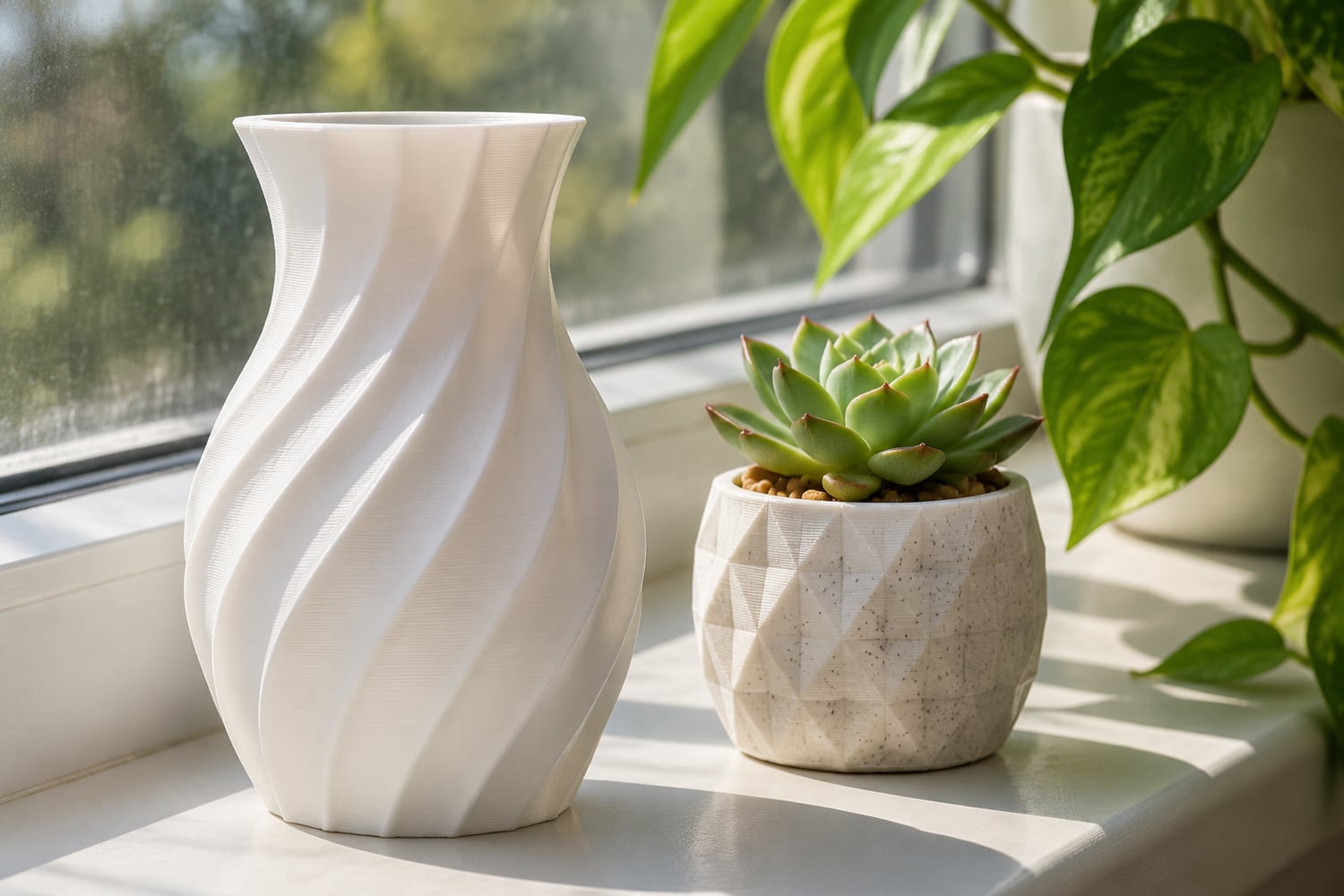
The same 60 °C softening point is why most PLA items shouldn't go in the dishwasher. Home hot water is often set near 60 °C, and a dishwasher's drying cycle adds more heat. In that test, a PLA utensil holder warped badly after one run. The tester reprinted it in ABS, which survived.
PLA can also warp in warm water but can be hand-washed in cold water. The safe routine for PLA kitchen and bath pieces is lukewarm or cold water, a little mild dish soap and a soft brush. Dry the piece afterward.
There's also a food-safety point that matters more than heat. Printed PLA and PETG are not food-safe by default. The tiny grooves between layers can trap food residue and bacteria, and they're hard to scrub fully clean. Here's how that plays out in practice:
- A printed fruit bowl is fine for whole fruit with skins, like oranges, bananas and apples.
- Don't use a print as a mixing bowl, cup or serving dish for loose food unless the maker states it is made and finished for food contact.
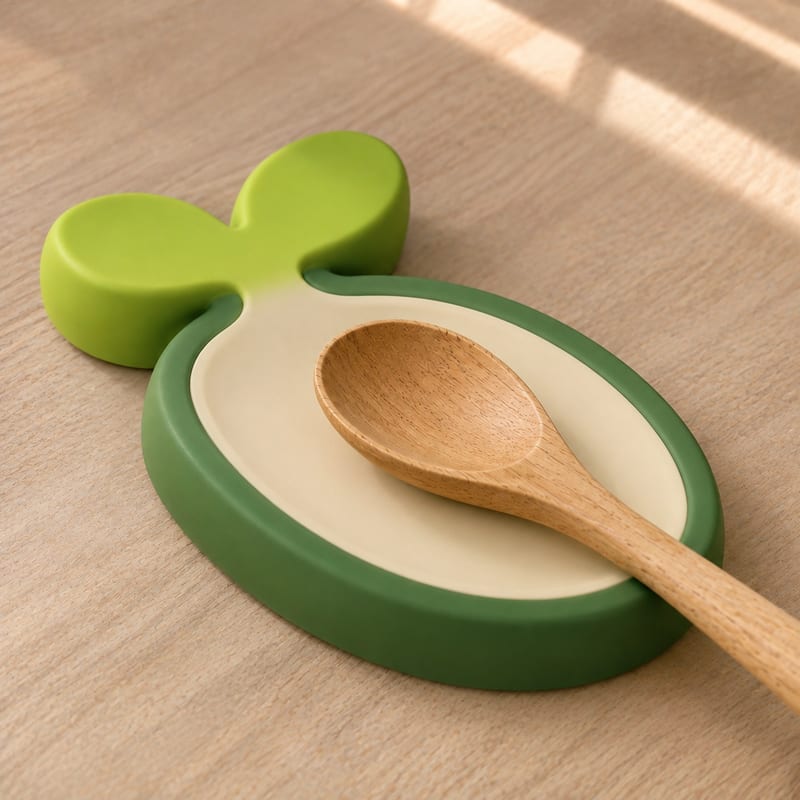
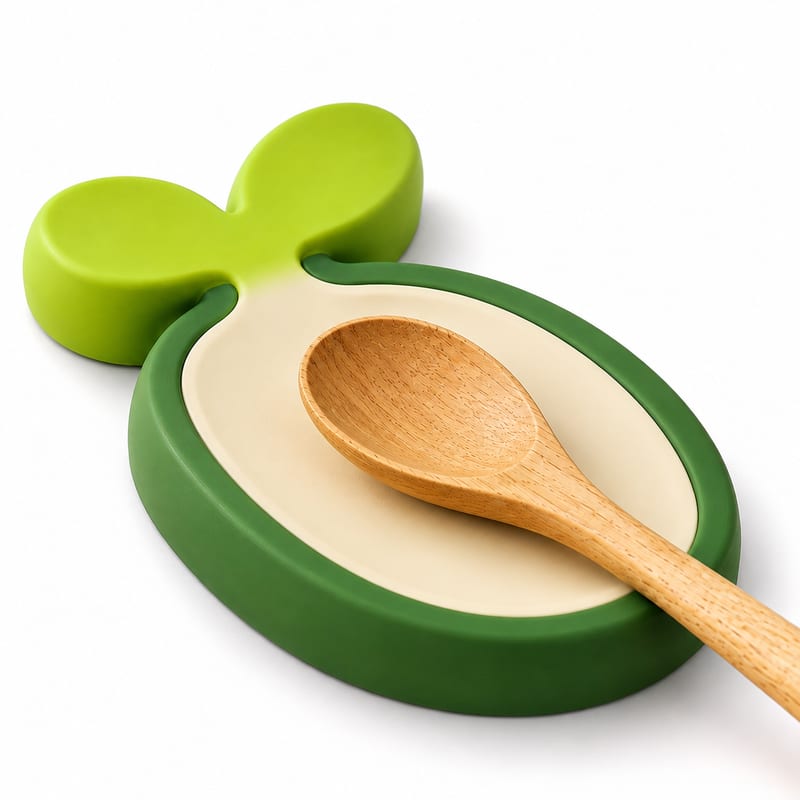
- A spoon rest like this seedling spoon rest is meant for resting utensils. Wash it by hand, not in the dishwasher. If the listing says PLA, give a spoon straight out of a boiling pot a moment to cool before you set it down.
Planters, bathrooms and wet spots: water seeps through, but drainage solves it
Water by itself doesn't seem to break PLA down quickly. One source mentions people leaving PLA in jars of water for a year with no visible breakdown. The real issue with water is leaks.
Printed planters aren't watertight straight off the printer. Water can seep through tiny gaps between layers and leave rings on furniture. Makers get around this in two ways, according to one planter guide:
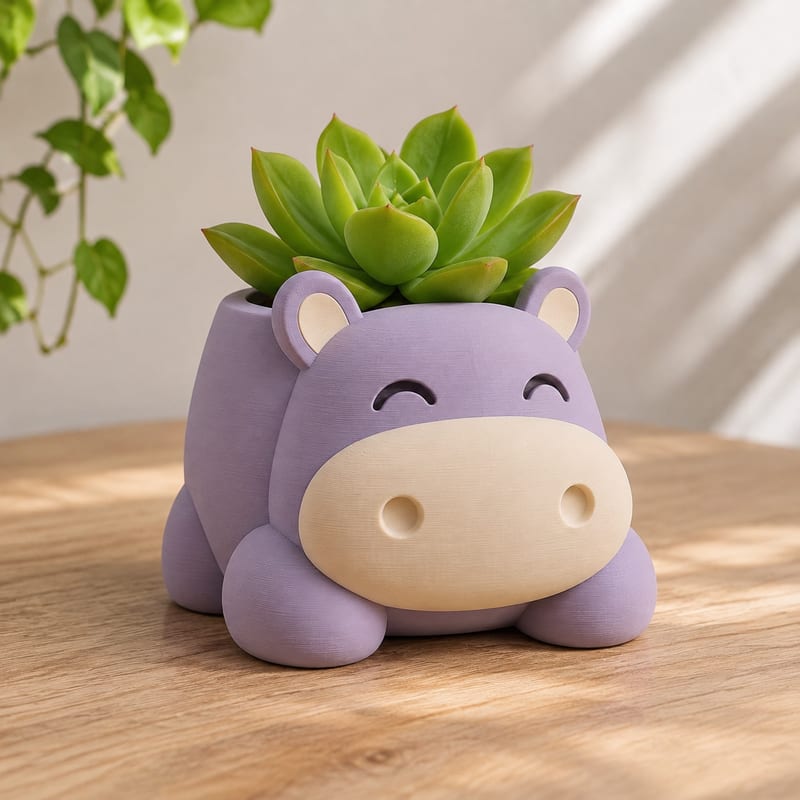
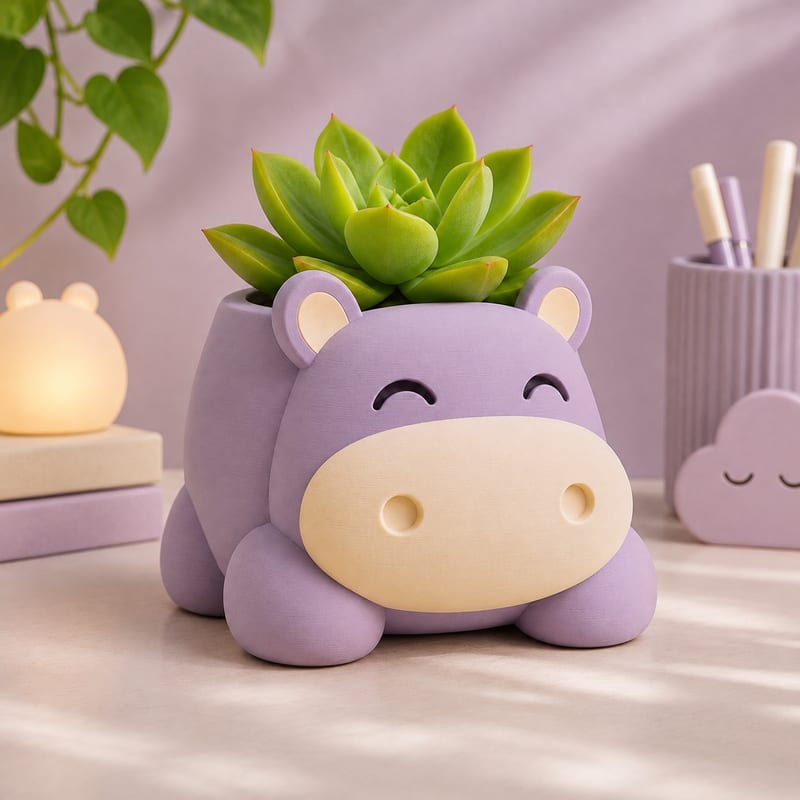
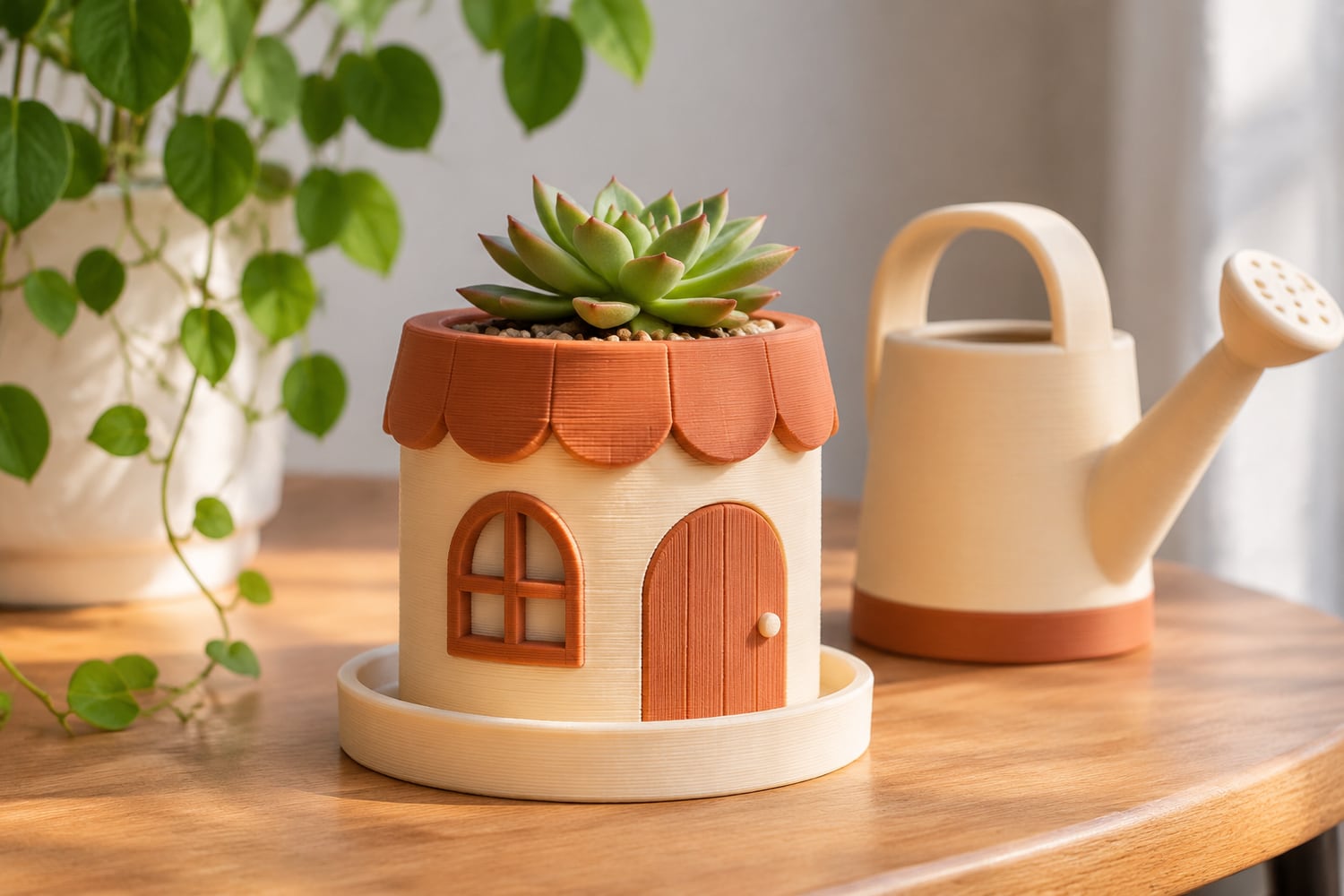
- A drainage hole with a saucer. Excess water runs out where you expect it, and the saucer catches it. The Chubby Hippo Planter is built this way.
- A cover pot. Leave the plant in its plastic nursery pot and drop that inside the printed planter. Take the inner pot out to water it.
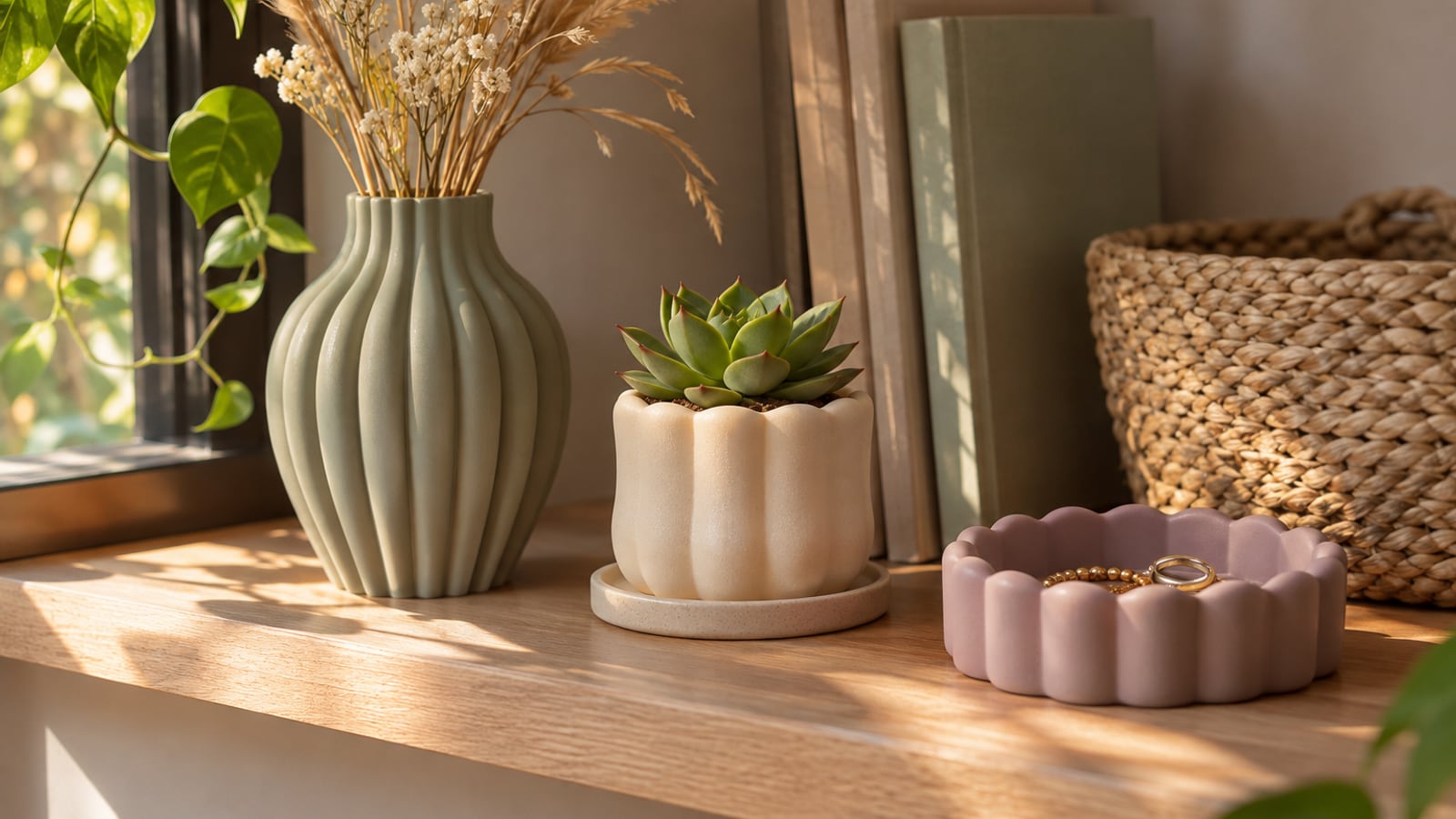
The same layer-gap issue applies to printed vases. For fresh flowers, put a glass jar or a plastic liner inside, or use the vase for dried stems.
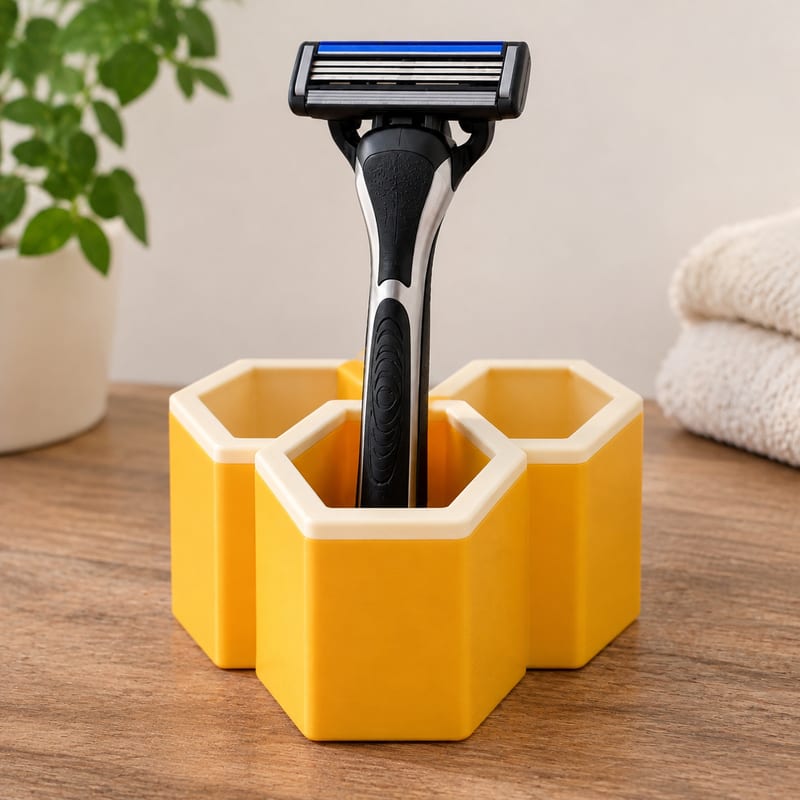
Bathrooms are generally fine for prints, since room-temperature humidity isn't the problem. Standing water and soap scum are. For a razor stand or toothbrush holder, rinse it with cool water now and then, let it dry fully, and keep it out of the direct stream of a hot shower.
Resin prints vs filament prints: how their lifespans differ
Most printed decor, planters and organizers are made from filament like PLA or PETG. Resin printing is more common for small, finely detailed pieces. The lifespan estimates for the two are very different.
One resin printer maker says resin prints last anywhere from a few months to over 10 years, with standard resin kept indoors usually lasting 3 to 5 years. Another breaks it down by type:
| Resin type | Estimated lifespan |
|---|---|
| Standard | 3 to 5 years |
| Tough | 10 to 15 years |
| Flexible | 2 to 4 years |
| UV-resistant | 7 to 12 years, even outdoors |
The figures come from Creality. Keep in mind that both sources sell resin printers and materials, and we didn't find an independent study to check them against. The fact that a UV-resistant grade exists tells you sunlight is a big factor, so treat resin pieces as indoor items unless the maker says otherwise.
Room-by-room guide
| Room | Typical printed items | Main risk | What to do |
|---|---|---|---|
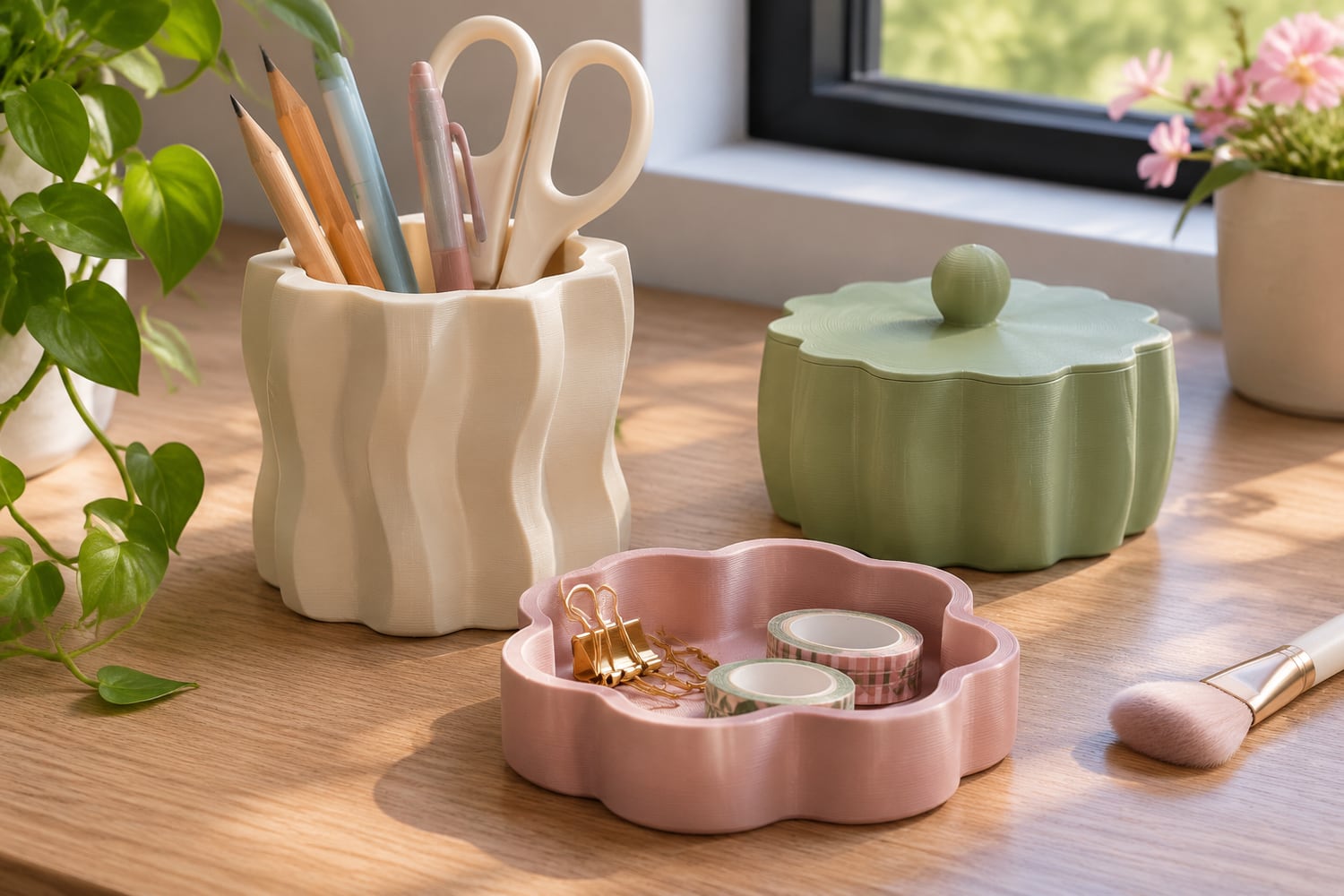
| Desk and office | Pen holders, pencil boxes, stands | Very little | Keep it off radiators and out of hot window light |
| Living room and bedroom | Vases, record stands, ring dishes | Sunny sills, heaters | Use a liner for fresh flowers and dust it occasionally |
| Kitchen | Fruit bowls, spoon rests | Dishwasher, hot pans, food contact | Hand-wash in cool water and skip direct contact with loose food |
| Bathroom | Razor stands, organizers | Standing water, soap buildup | Rinse cool, let it dry, avoid the direct hot stream |
| Garden and outdoors | Feeders, plant tags, planters | Sun and summer heat | Ask for ASA, ABS or PETG instead of PLA |
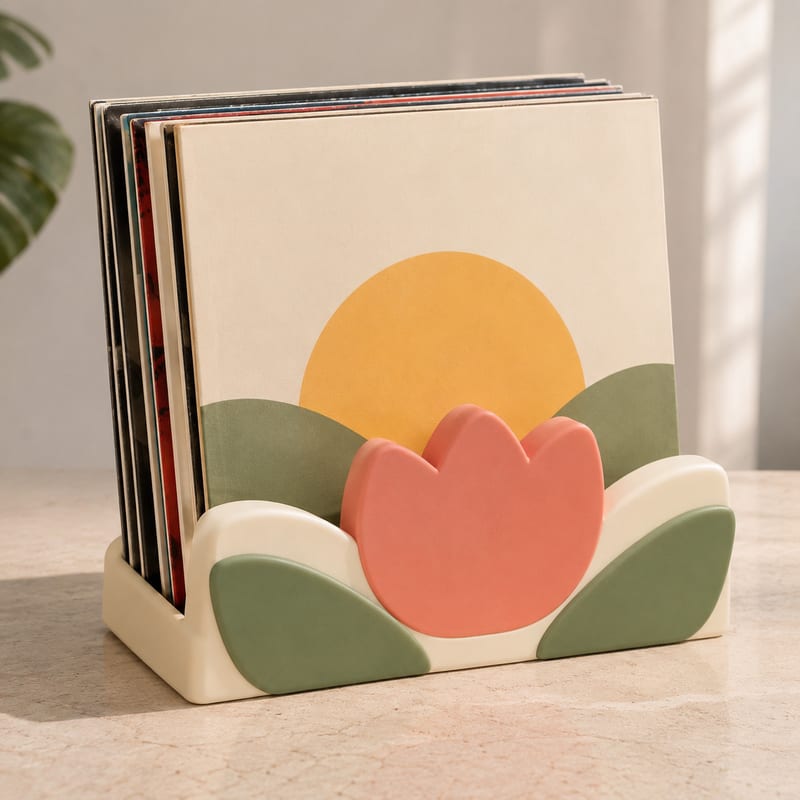
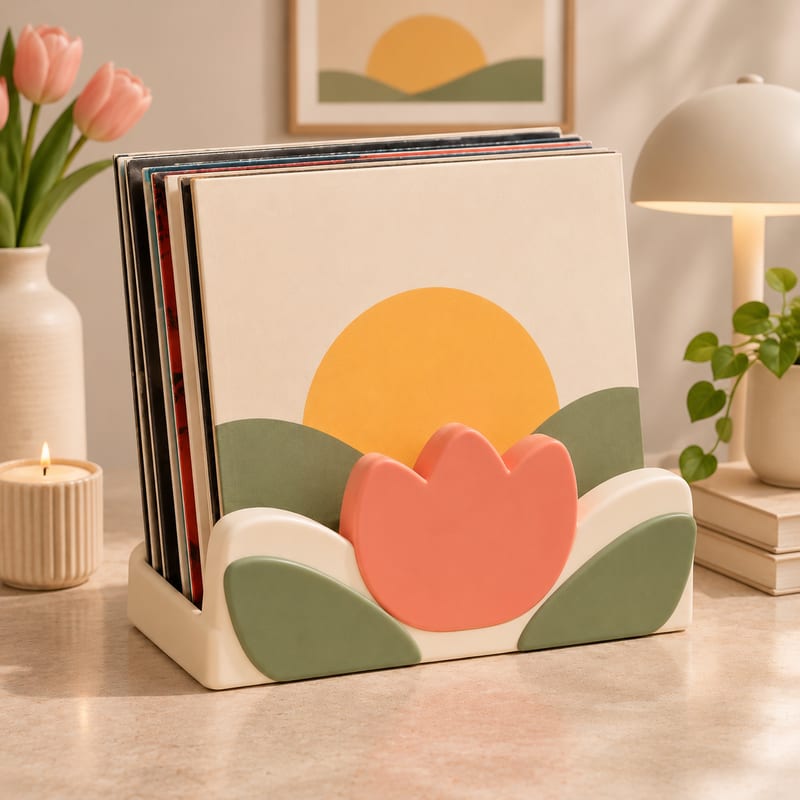
Desk and shelf pieces are the easiest case. A pen holder or a record stand indoors can easily outlast the desk it sits on. Kitchen and outdoor pieces are where the material really matters.
How to clean and care for 3D printed items
Caring for a print takes less work than caring for most wood or ceramic decor.
- Dust: Use a soft dry cloth, or a soft brush for textured surfaces, since dust settles into layer lines.
- Wash: Use lukewarm or cold water with a little mild dish soap. Don't put it in the dishwasher unless the maker confirms the material can take it.
- Dry: Pat it dry and let it air-dry fully, especially pieces with textured or ribbed surfaces.
- Skip harsh cleaners: You usually don't know exactly how a given material or finish will react to solvents or strong chemicals, so stick to soap and water.
- Mind the heat: Keep prints away from heat sources and out of hot cars.
- Use it as intended: A decorative shelf or hook isn't a structural bracket. The long-life estimates assume the piece isn't carrying heavy loads.
Buying tips: ask the maker which material
You can't reliably tell PLA from PETG or ABS just by looking at a finished piece. That makes the listing, or a quick question to the maker, your best tool. Before you buy, ask:
- What material is it printed in? PLA is great for indoor decor. For outdoor, hot or sunny spots, look for ASA, ABS or PETG.
- Will it be indoors or outdoors? Tell the maker where it's going. A good maker will steer you to the right material or offer to print in one.
- Does it hold water? For planters, check for a drainage hole or plan to use a cover pot. For vases, ask whether you'll need a liner.
- Is it for food? Assume a printed item isn't food-safe unless the maker clearly states otherwise.
- How should I clean it? Most makers will say to hand-wash it. That's normal, not a sign of low quality.
If you're giving a printed piece as a holiday gift, a one-line care note in the box helps: hand-wash cool, keep it away from heat. Followed indoors, that's usually all it takes for the gift to last for years.
On Filagora, every piece is printed to order by an independent maker, so you can check the listing for the material or ask before you order. Browse home decor for pieces made to live happily on a shelf for a very long time.
Frequently asked questions
Can 3D printed items go in the dishwasher?
Most PLA items shouldn't. PLA starts softening around 60 °C, close to typical home hot water temperatures, and dishwasher tests have shown PLA pieces warping badly. Hand-wash them in lukewarm or cold water unless the maker confirms the material is dishwasher-tolerant, as ABS can be.
Can I leave 3D printed items outside?
Only if they're printed in a sun- and heat-tolerant material like ASA, ABS or PETG. PLA left outdoors may break down badly within about a year, and in hot weather it can bend within days.
How long do PLA prints last indoors?
Estimates range from about 15 years to effectively indefinite for decor that isn't carrying heavy loads. The figures are largely anecdotal, but sources agree that indoor PLA kept away from heat and strong sun holds up for many years.
How long do resin 3D prints last?
Resin printer makers estimate 3 to 5 years for standard resin kept indoors, with tough and UV-resistant resins lasting longer. These figures come from companies that sell resin, and we found no independent studies to confirm them.
Are 3D printed planters waterproof?
Not straight off the printer, because water can seep through tiny gaps between layers. A drainage hole with a saucer, or a plastic nursery pot set inside the printed planter, solves the problem.
Pieces from this guide
Printed to order by makers on Filagora.