Are 3D Printed Toys Safe for Kids? A Holiday Gift Buyer's Guide
Are 3D printed toys safe for kids? What PLA safety really means, the choking and breakage risks, CE/UKCA rules, and a buyer's gift checklist by age.
By the Filagora team · November 11, 2026 · 9 min read
Some are, many aren't, and the plastic is rarely what decides it. A 3D printed toy is reasonably safe for a child when the finished object is sturdy, has no small parts that can snap off, has smooth edges, and, if it is sold as a toy, meets the toy safety rules where it is sold. A lot of printed items at craft fairs and on online marketplaces have never been tested against those rules. For children under 3, the simplest safe choice is not to buy printed toys at all. For older kids, use the checklist further down.
The short answer: it depends on the object, not just the plastic
Most printer-brand blogs answer this question for people printing toys at home. They tend to focus on the filament. JLC3DP describes ABS and PLA as generally considered safe for use in children's toys, and Aoseed says PLA is the safest and most practical material for most kids' 3D printed toys. Aoseed also sells printers aimed at kids, so read that with some care.
The material matters, but a gift buyer should care more about three other things:
- How it was printed. Wall thickness, layer bonding and orientation decide whether a part snaps.
- What shape it is. Small pieces, thin joints and pointed tips are where the risk lives.
- How it will be used. A shelf figurine and a teething toddler's chew toy are very different jobs.
JLC3DP makes a fair point here too: mass-produced toys go through strict quality control, while 3D printed toys may vary in quality depending on the skills of the individual or company producing them. Two dragons from the same file can behave very differently in a child's hands.
Is PLA safe for kids' toys? Material safety vs finished-toy safety
PLA is one of the most common printing plastics, and it is a reasonable material to start from. But a safe spool does not make a safe toy.
Polymaker's wiki explains this better than most. The European chemical test for toys, EN 71-3, deals with chemical migration, especially the release of certain elements such as lead and cadmium from toy materials when they are mouthed, licked, or swallowed. Some filaments are tested to that standard. Even so, Polymaker is clear that a toy can still fail even when the base material meets EN 71-3.
That gap is the whole story. A chemical test says nothing about whether a wing snaps off in a car seat or a joint leaves a sharp stub. If a seller tells you their filament is tested, that is a good sign about the material, and only that.
The real risks: breakage, sharp fragments and small parts
The main physical problem with FDM prints (the layer-by-layer kind most sellers make) is spelled out by Polymaker: layer adhesion, brittle walls, and rough finishing can create breakage or sharp fragments. Printed parts are weakest between layers. Bend a thin piece across its layers and it can split cleanly, sometimes leaving a jagged edge.
Articulated dragons and fidget toys
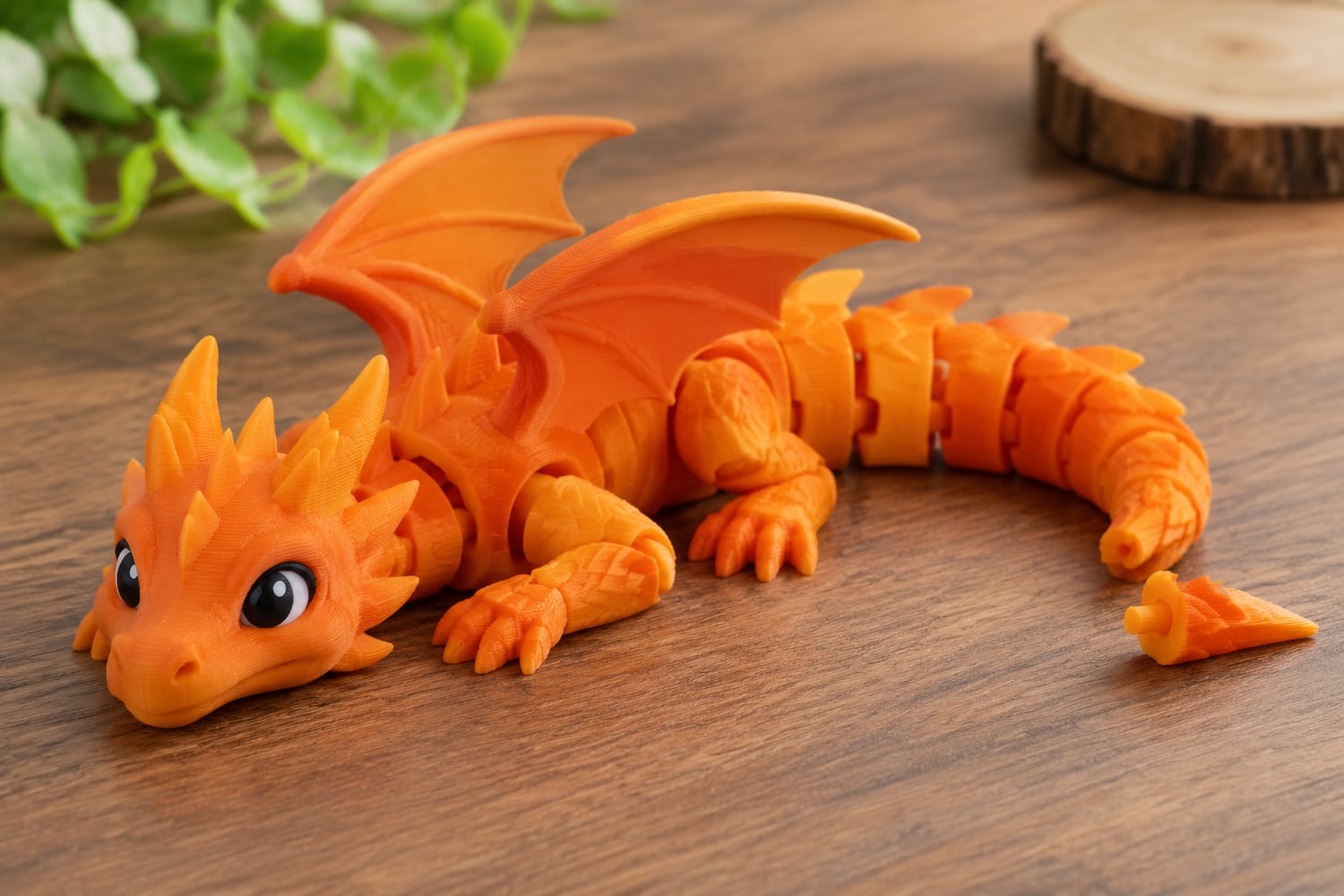
These are the most popular printed toys and the ones most likely to end up in small hands. They are printed with built-in hinges or ball joints, and each link is a small part on its own. When a joint breaks, the loose segment can be small enough to swallow. That is why the choking question about 3D printed fidget toys has a real answer: yes, they can be a choking hazard, especially for kids who still put things in their mouths or for younger siblings who find the pieces later.
Keychains and stocking stuffers
Keychains are small by design, and most come with a metal split ring. They are fine for older kids and adults, but they are not toddler stocking stuffers. The same goes for printed dice, game tokens and miniature figures.
Printed parts also change with age and use. We cover how they hold up over time in How Long Do 3D Printed Items Last?; a piece that is only a little brittle on day one can be the piece that cracks in February.
Layer lines, mouthing and cleaning
Every FDM print has fine ridges where one layer sits on the next, plus seams and small marks where supports were removed. Polymaker notes that layer lines, seams, and support scars can trap dirt and saliva, which makes printed parts harder to sanitize thoroughly.
The same issue is why printed PLA and PETG are not food-safe by default. Bacteria settle in the grooves, and a quick rinse won't reach them. Hot water and dishwashers can also warp PLA, so you can't just boil a printed toy clean. We go into the details in Are 3D Printed Items Food Safe?.
For kids, the practical rule is short:
- Anything likely to be mouthed should not be a 3D printed object. That covers teethers, rattles and toys for babies and toddlers.
- For older kids, wipe printed items with a damp cloth and mild soap, dry them, and don't share them around as if they were washable.
The rules: UK, EU and US
This is the part most of the ranking pages skip, and it is what sellers are actually held to.
United Kingdom
In September 2025, Lincolnshire Trading Standards issued a warning on 3D printed products. They said they have seen increasing numbers of non-compliant products being sold on online marketplaces, and that many 3D printed products are classed as toys and need to comply with relevant standards, partly to make sure they don't pose a choking risk.
A UK guide for market traders goes further: the vast majority of 3D printed items sold at craft fairs have play value and are legally classified as toys under the Toys (Safety) Regulations 2011, and Trading Standards can seize and destroy non-compliant products. Since Brexit, toys in Great Britain carry the UKCA marking instead of CE.
European Union
All toys sold in the EU must carry a CE marking, which is the manufacturer's declaration that the toy meets the essential safety requirements. Manufacturers must assess chemical, physical and mechanical, electrical, flammability, hygiene and radioactivity hazards. A new law, Regulation (EU) 2025/2509, was adopted on 26 November 2025 and repeals the old toy directive. If you sell into the EU, check the Commission's toy safety page for when its requirements apply.
United States
In the US, toys for young children fall under CPSIA, which 3D Print Calc summarizes as small-parts testing, no toxic additives and traceability. The exact small-parts test is set by the Consumer Product Safety Commission, and sellers should read it on cpsc.gov rather than rely on summaries.
The buyer's takeaway: a printed item sold as a toy in the UK or EU should carry a UKCA or CE mark. If it is clearly a toy and has no marking, the seller has probably not done the testing.
What "decorative only, not a toy" means
When a maker hasn't tested an item as a toy, the usual advice is to add a visible decorative only, not a toy, not food-safe disclaimer in the listing and on the packaging. For a buyer, that label means exactly what it says: the seller is not claiming it is safe for a child to play with.
The label doesn't change what the object is, though. The UK craft-fair guide puts it bluntly: an articulated dragon in bright colours sold alongside fidget toys will not be accepted as a decorative item by Trading Standards simply because of a label.
So read the label two ways:
- On genuine decor (a vase, a jewelry stand, an ornament), it is honest and sensible. Treat the item as decor and keep it where small children can't play with it.
- On something that is obviously a toy, it is a warning sign. The seller is selling a toy without toy testing.
How to tell if a 3D printed toy is safe to buy
Before you check out, run through this list:
- Toy or decor? Read the listing. If it is described as a fidget, a toy or a kids' gift, it should meet toy rules.
- Look for the mark. UKCA in Great Britain, CE in the EU, on the listing or the packaging. Ask the seller what testing it is based on.
- Check traceability. A real seller name and contact details matter if something goes wrong.
- Count the small parts. Hinged links, separate pieces, dice, magnets and split rings all count.
- Flex it gently when it arrives. If thin parts creak, crack or pop loose, take it away.
- Run a finger along the edges. Support scars and seams should be smooth, not sharp.
- Ask who else lives in the house. A safe gift for a ten-year-old is a risk if a toddler sibling finds the pieces.
And by age:
| Age | Main risk | What to do |
|---|---|---|
| Under 3 | Choking, mouthing, hygiene | Skip printed toys and small printed items entirely |
| 3 to 8 | Breakage, sharp fragments, small parts | Only buy toys with CE or UKCA marking from a seller who can explain the testing; otherwise choose a conventionally tested toy |
| 9 to 12 | Breakage and sharp edges | Prefer chunky, solid pieces with no thin joints; it is still a toy under the rules if it has play value; keep pieces away from younger siblings |
| Teens and adults | Mostly durability | Printed decor, accessories and desk items are a good fit |
Kid-friendly 3D printed gifts that aren't toys
The honest way to give printed things to young people is to skip the toy aisle and choose objects with a job to do. Everything below is decor or an accessory, not a toy, and none of it is meant for children under 3. These suit teens and older kids who already look after their own things.
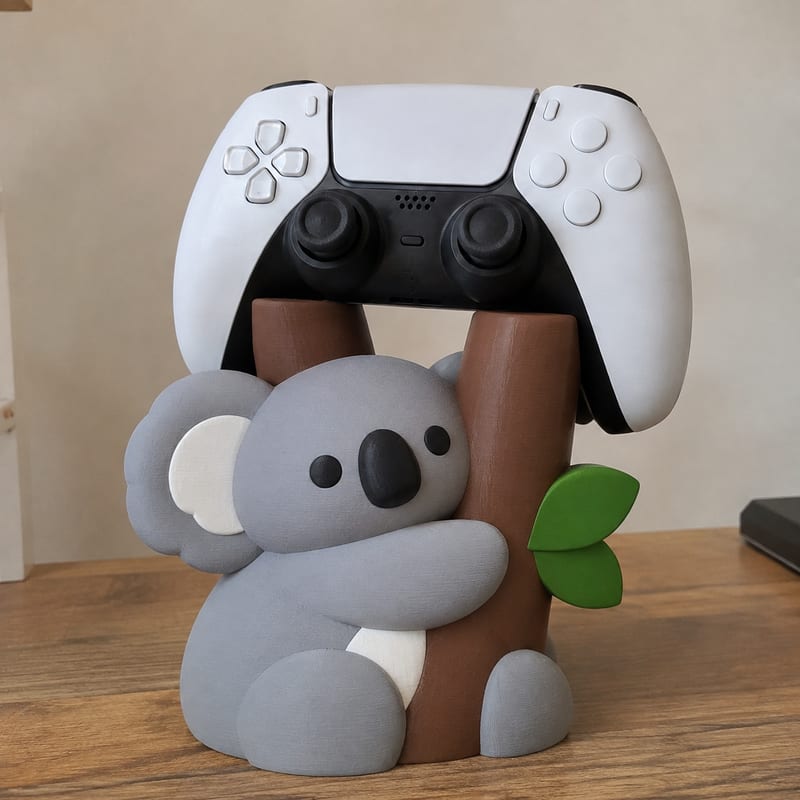
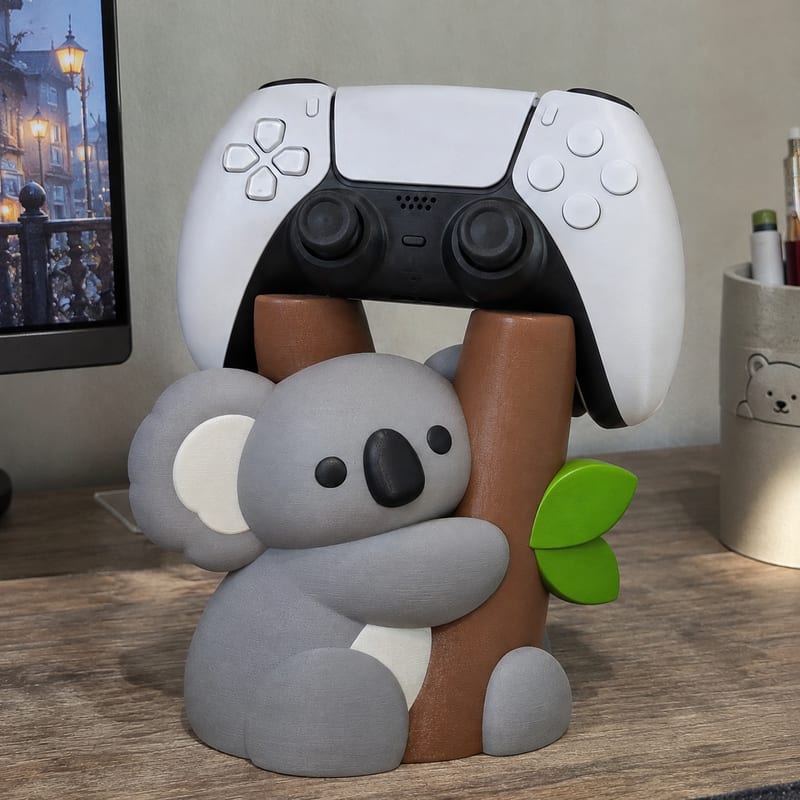
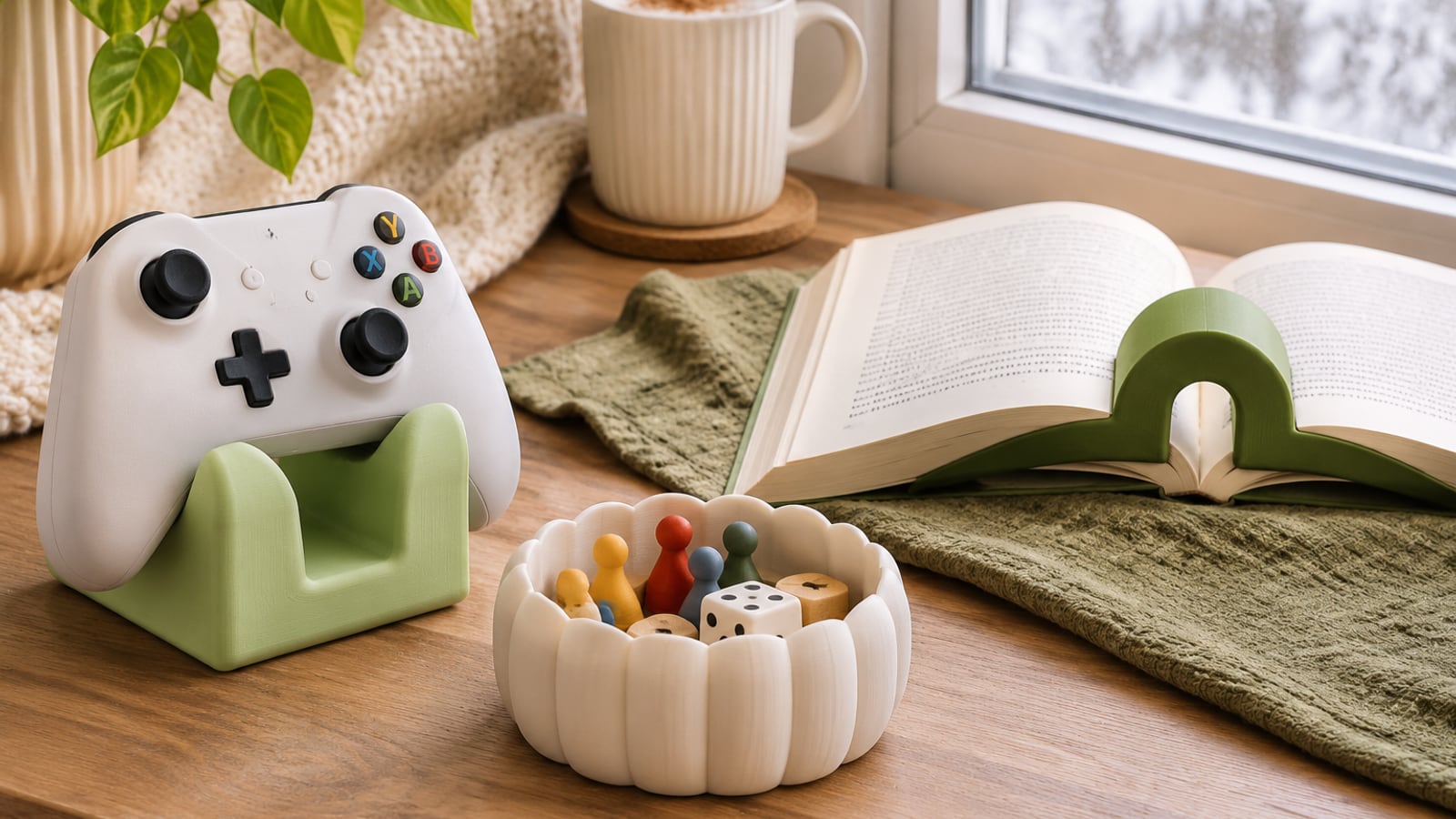
- For the gamer: a desk stand like the Fat Koala Hugging Trunk Controller Stand gives a controller a home and stays on the desk, not on the floor.
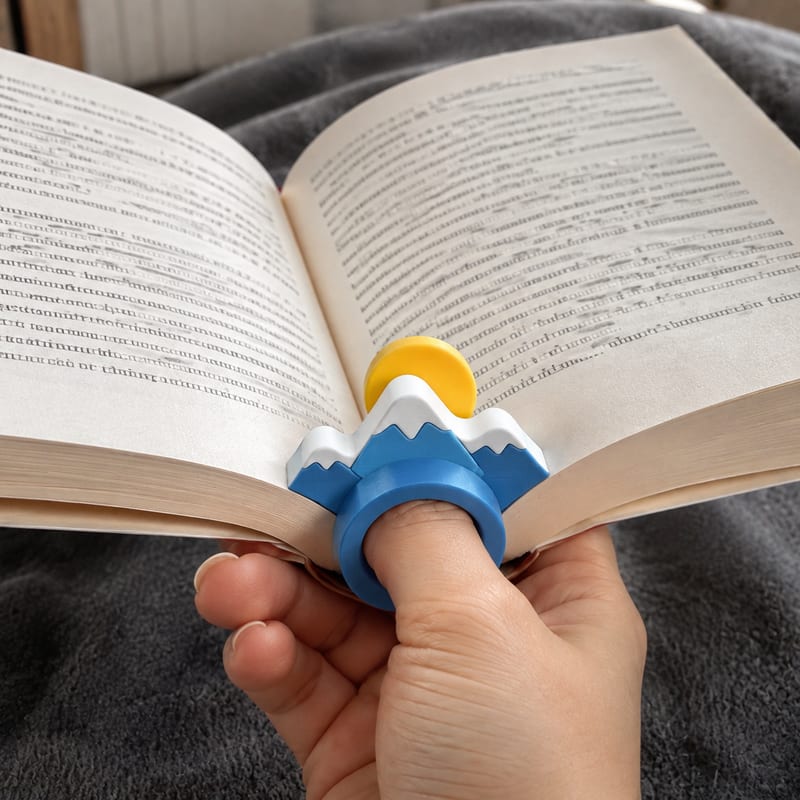
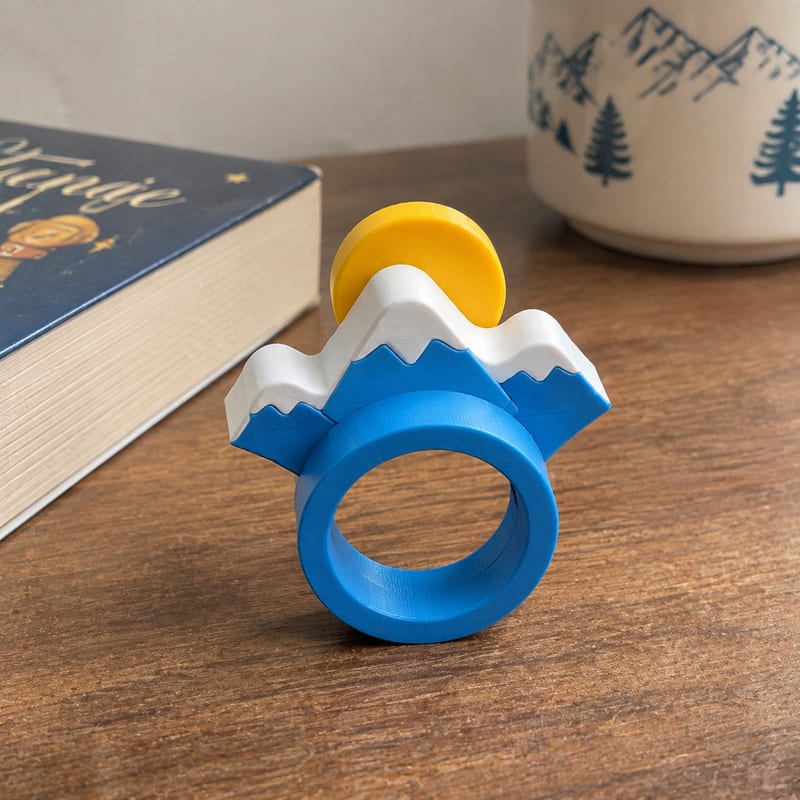
- For the reader: a page holder ring such as the Geometric Snow Mountain Page Holder Ring is small, useful and not something anyone plays with.
- For jewelry and hair clips: earring and bracelet stands keep small items in one place on a dresser.
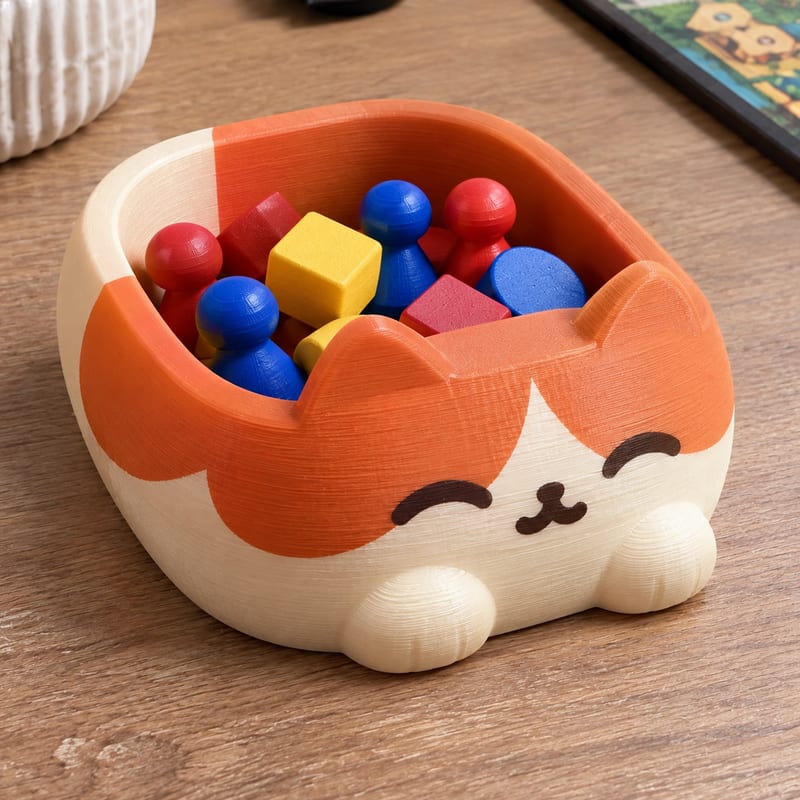
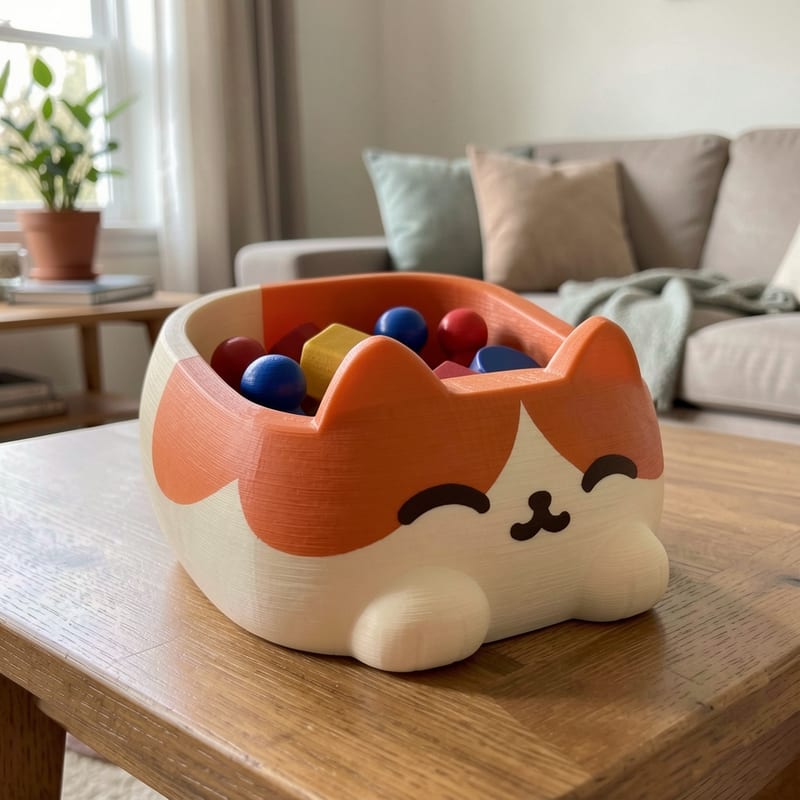
- For family game night: token bowls and dice sets are fun for the table, but dice and tokens are small parts by design. Play with them under supervision and pack them away out of reach of toddlers.
- Stocking stuffers: printed keychains work for older kids and adults. Leave them out of a toddler's stocking.
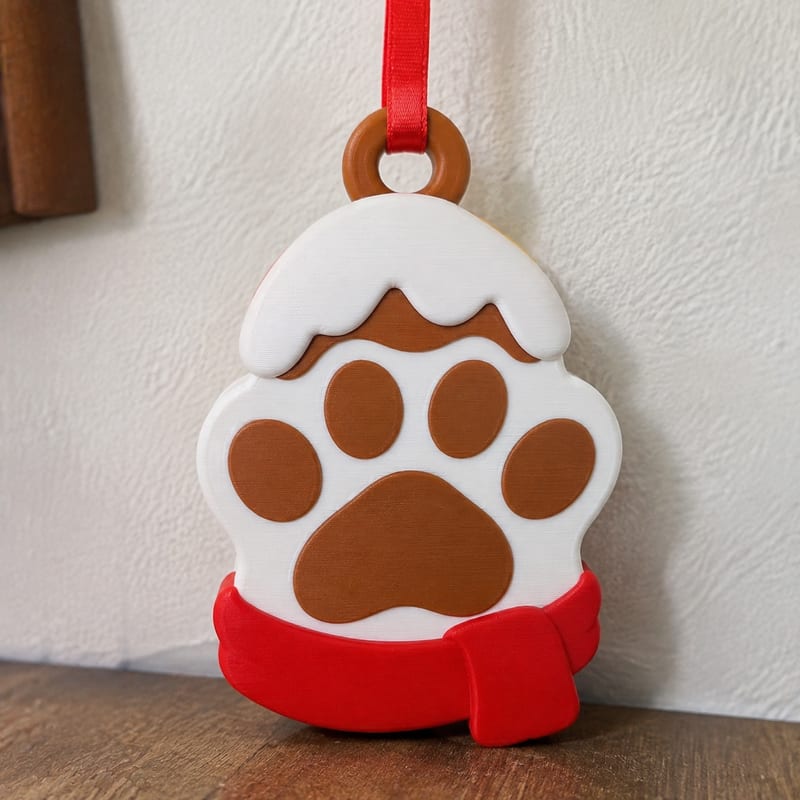
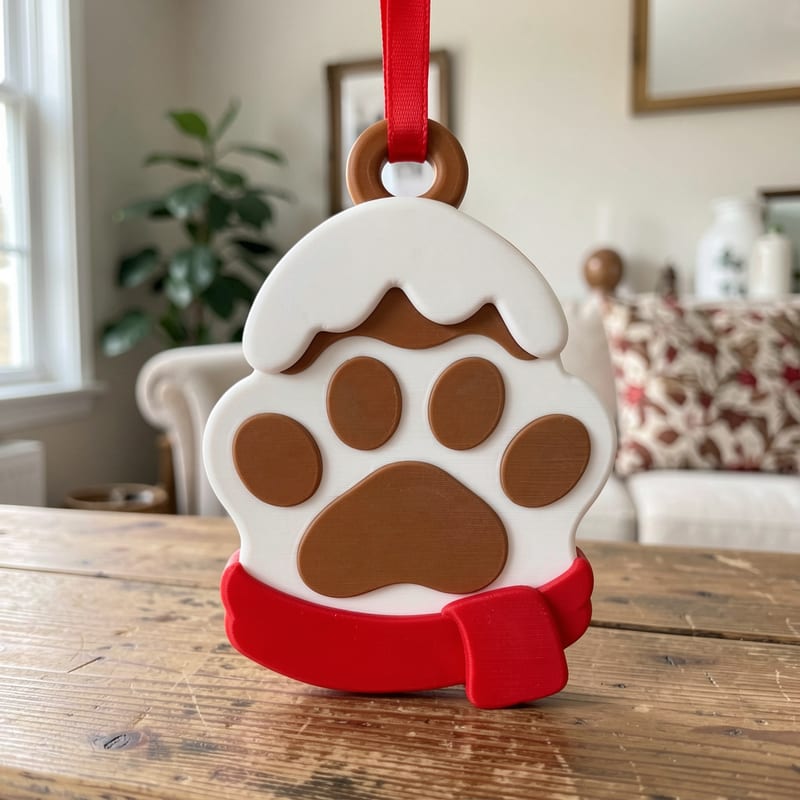
- A shared keepsake: a printed ornament that the whole family hangs together, high on the tree, is a nice way to include younger kids without handing them the object.
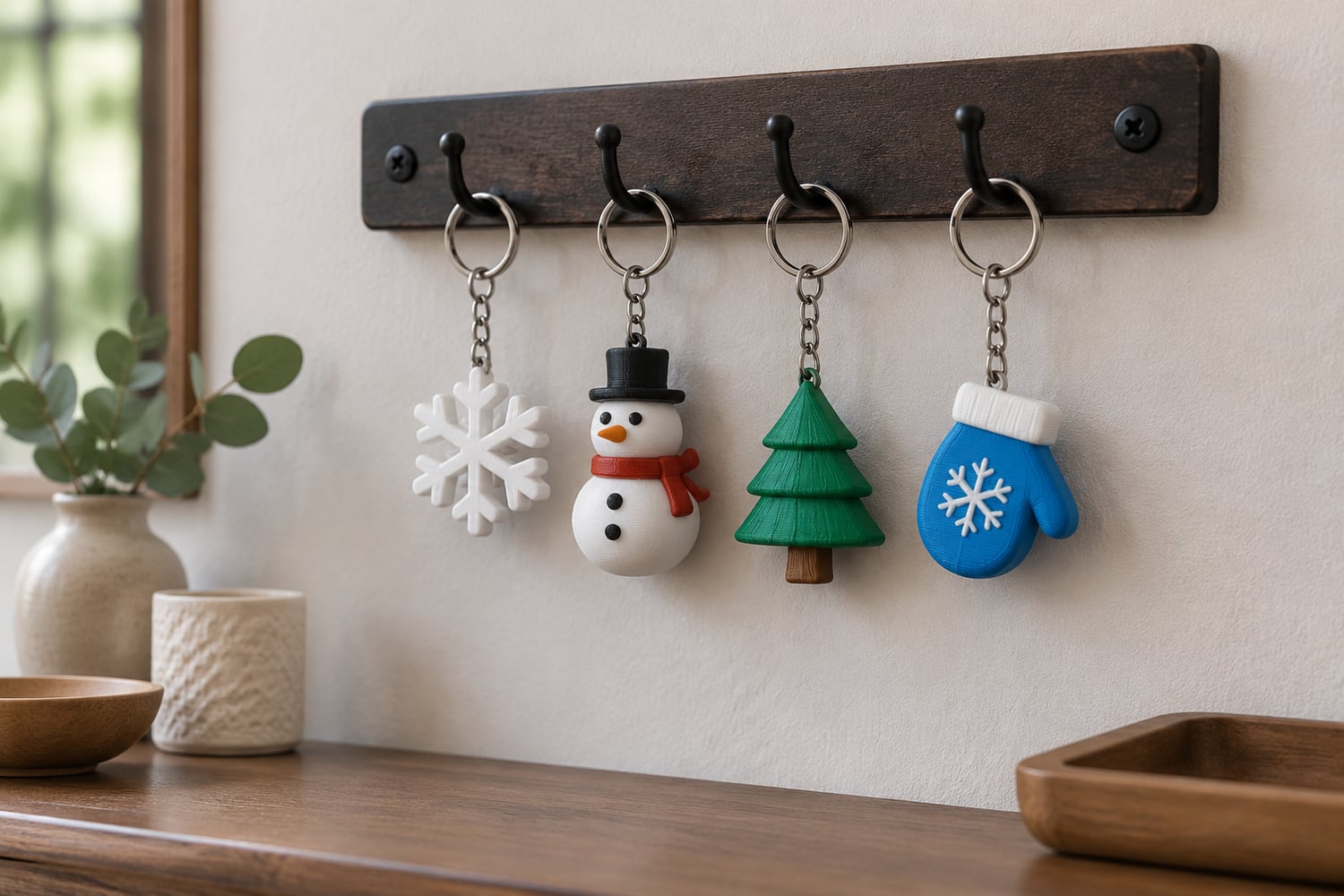
Filagora makers print decor, organizers and accessories to order. If a listing says decorative, take it at face value, and for anything a small child will play with or chew, buy a tested toy instead.
Frequently asked questions
Is PLA safe for kids' toys?
PLA is a reasonable material, and some filaments are tested to the EN 71-3 chemical standard. But a safe material doesn't make a safe toy: thin walls, weak layer bonding and small parts can still cause breakage or choking.
Are 3D printed fidget toys a choking hazard?
They can be. Articulated fidgets and dragons are made of many small linked pieces, and if a joint breaks, a loose segment may be small enough to swallow, so keep them away from young children and toddlers.
Can 3D printed toys be cleaned properly?
Not thoroughly. Layer lines, seams and support marks trap dirt and saliva, and hot water or a dishwasher can warp PLA, so printed items should not be used for anything a child will put in their mouth.
Do 3D printed toys need a CE or UKCA mark?
If they are sold as toys, yes. Toys sold in the EU must carry a CE marking, and Great Britain uses UKCA marking instead; a clearly toy-like printed item with no marking likely hasn't been tested.
What does 'decorative only, not a toy' mean on a 3D printed item?
It means the seller has not tested the item as a toy and isn't claiming it's safe for play. UK Trading Standards won't accept the label on something that is obviously a toy, such as a brightly colored articulated dragon sold next to fidgets.
Pieces from this guide
Printed to order by makers on Filagora.