Does PLA Fade in Sunlight? 3D Printed Decor on Sunny Windowsills
PLA can fade in strong, long-lasting sun, but room light won't hurt it. How fast prints fade, why heat is a separate risk, and where to place 3D printed decor.
By the Filagora team · November 24, 2026 · 8 min read
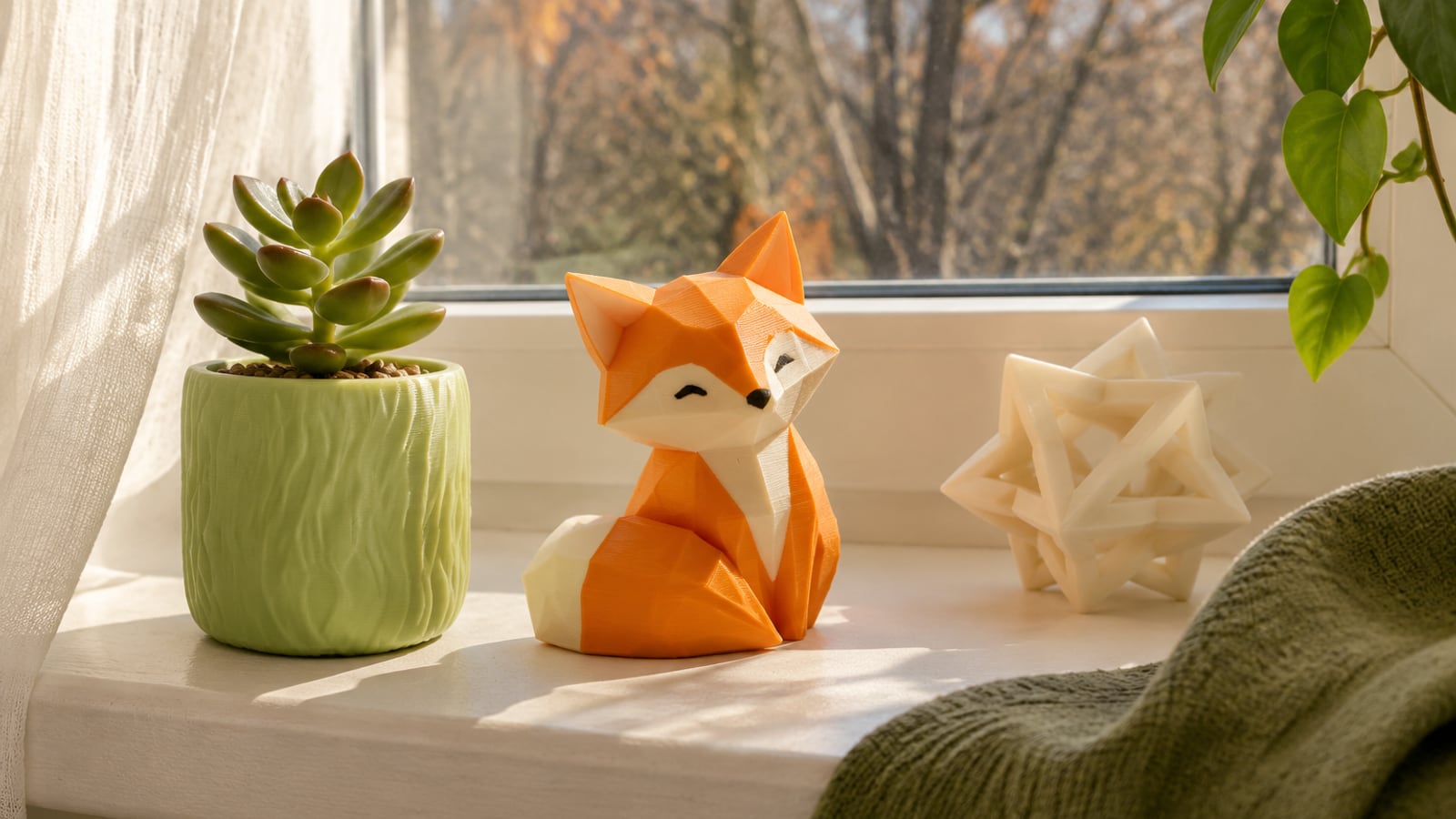
Yes, PLA can fade in sunlight, but only when the sun is strong and the exposure lasts for months. A printed figurine on a bookshelf under normal room light will hold its color for years. The same piece left in a sunny window all season is a different story. Its color can wash out, its surface can go dull, and on a hot day the heat behind the glass can bend thin parts. Those are two separate problems with two different causes. Once you know which is which, it's easy to tell where your decor is safe.
Short answer: does PLA fade in sunlight?
PLA fades in prolonged, direct sun, not in ordinary daylight. 3D Central, a print farm that makes collectibles, says brief or indirect daylight is not a concern. The real issue is prolonged direct sunlight over months and years, which can gradually fade some pigments. They describe their PLA pieces as colourfast under normal room lighting and name heat and long direct sun as the main threats.
If you've searched this before, you've probably seen answers that seem to contradict each other. Clever Creations argues that base PLA isn't very UV-sensitive, and that the dyes and additives in most filaments are what fade. Voxelfuse and 3D Solved state flatly that PLA is not UV resistant.
Both camps are describing the same process at different stages. In a bright room you usually notice the color changing first, because the pigments react before the plastic itself shows any damage. Loss of strength, a chalky surface and brittleness come later, and they mostly show up outdoors, where the sun is stronger and rain and temperature swings add to the wear. Filamentive calls it moderate UV resistance: PLA doesn't degrade instantly, but long exposure leads to fading and then brittleness.
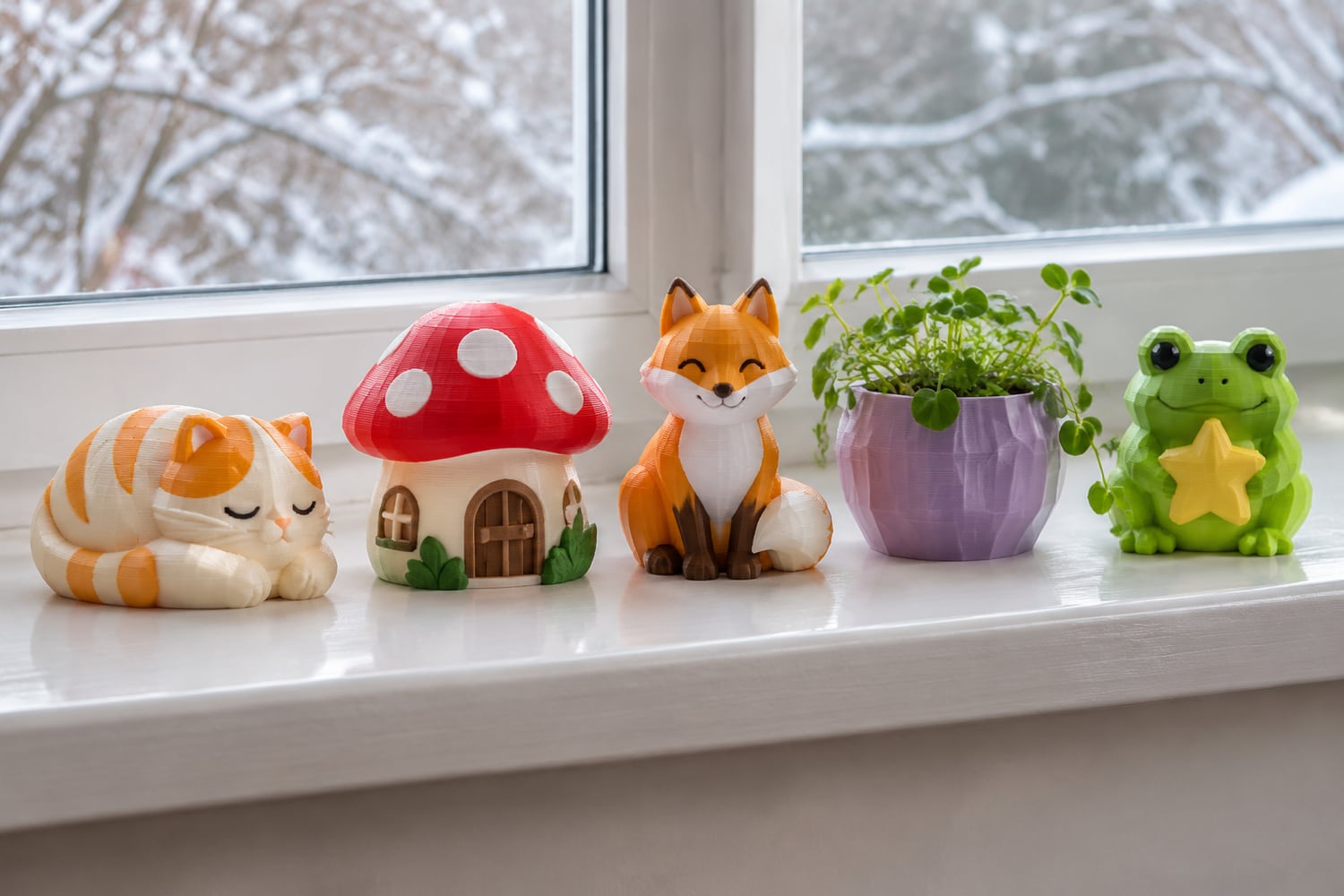
Fading vs. warping: UV and heat are two different problems
Most guides lump these together. On a windowsill they behave very differently, and they call for different fixes.
UV causes slow color change
Ultraviolet light breaks down pigments and, eventually, the surface of the plastic. The effect is slow and it builds up over time. You won't see anything after a week. You might see it months later when you pick the piece up and find that the side facing the room is brighter than the side facing the glass.
Heat causes fast shape change
PLA will not melt in the sun. Its melting point is around 160–180°C, according to 3D Solved. The number that matters is much lower: the glass transition temperature, where PLA starts to soften. Filamentive puts it at about 57°C, and 3D Solved gives 60–65°C. A dark object sitting in full sun behind glass can get warm enough to sag, and 3D Solved notes that PLA can deform within hours in direct sun on a hot day, and that a hot car interior can warp it.
So heat damage can happen in a single afternoon, while UV fading takes months. A thin plant-stand leg that bends over one summer weekend was a heat problem. A red figurine that slowly turned pink was a UV problem.
In late fall and winter, heat on a sill is usually less of a worry than in July. Watch for radiators and heating vents under windows, though, because sun plus rising warm air adds up. Our guide to PLA near lamps, candles and heaters covers heat sources in more detail.
Indoors vs. outdoors: how fast fading actually happens
The sources give rough timelines for different levels of exposure. None of them are lab-precise, but together they show the pattern.
| Where the piece sits | What to expect | Source |
|---|---|---|
| Normal room light, no direct sun | Colorfast | 3D Central |
| Indirect daylight | Slow change you won't notice right away | Voxelfuse |
| Strong direct sun | Can fade within weeks and become brittle within 1–3 months | Voxelfuse |
| Outdoors, standard PLA | Fading and gloss loss within weeks; chalking, warping and brittleness for most parts by 3–6 months | AI-Driven Filaments |
Indoors and away from the sun, PLA lasts a long time. One guide estimates that PLA prints last 10–15 years indoors but degrade quickly under UV and moisture, with UV damage showing up as faded color and a chalky surface. At the other end of the scale, 3D Solved left a red PLA test boat in a garden for three months and concluded that prolonged sun can permanently damage PLA.
A sunny windowsill falls somewhere between those rows. None of the sources we read measured how much UV ordinary window glass filters out, so we won't guess. Treat a sill that gets hours of direct sun as closer to the strong-sun row than to the room-light row, and plan accordingly.
What changes how fast a print fades
Two pieces on the same shelf can age at different rates. A packaging and materials supplier lists three main factors: color and additives, thickness, and how strong the sun is.
Color and additives
The pigments are what fade first, so the filament recipe matters. Different colors and specialty blends react differently. In practice, a shift is much easier to spot on a deep, saturated color than on white, gray or a pale neutral, where a slight change blends in.
Thickness
UV works from the outside in. A chunky sculpture with thick walls may lose some surface color but keep its strength. A thin, delicate part has less material between the sun and its structure, so brittleness becomes a problem sooner.
How strong the sun is
The same source notes that areas with high UV fade PLA faster. Sunny climates, high altitude, a window that faces the sun for most of the day, and the summer months all speed things up. Low winter sun also reaches deeper into a room, so a shelf that sits in shade all summer can get direct light in December.
Is PETG or ASA better in the sun?
If a piece really has to live in full sun, the material matters more than any care tip.
- PETG handles sun better than PLA but isn't immune. JLC3DP says PETG in full sun year after year slowly yellows and loses some toughness, and holds up for a few seasons in shade or partial sun. Some sellers, such as Makershop, claim PETG won't fade at all. That overstates it.
- ASA is the material JLC3DP points to for direct sun all year. It's the usual choice for outdoor parts, but it's less common for detailed indoor decor.
- PLA is what most printed figurines, planters and holiday pieces are made of, thanks to its color range and fine detail. It's a good choice for indoor spots with indirect light.
For a wider look at how the two common materials compare at home, see PLA vs PETG. If you're buying for a specific sunny spot, it's reasonable to ask the maker what material a piece is printed in and whether another one is an option.
Where to put 3D printed decor
Most of the risk comes down to placement. Here's how common spots compare.
Windowsills
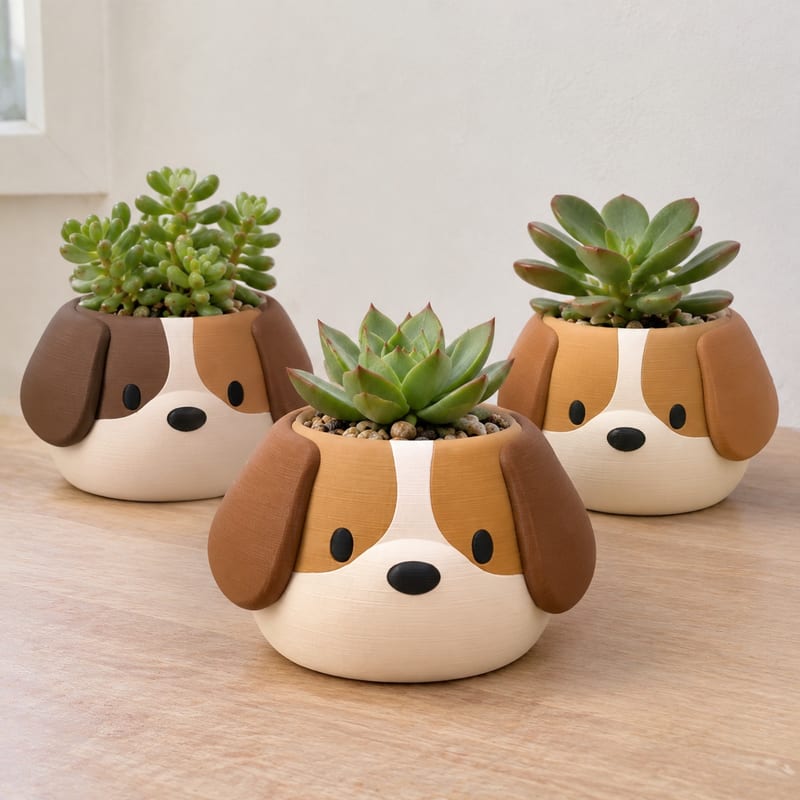
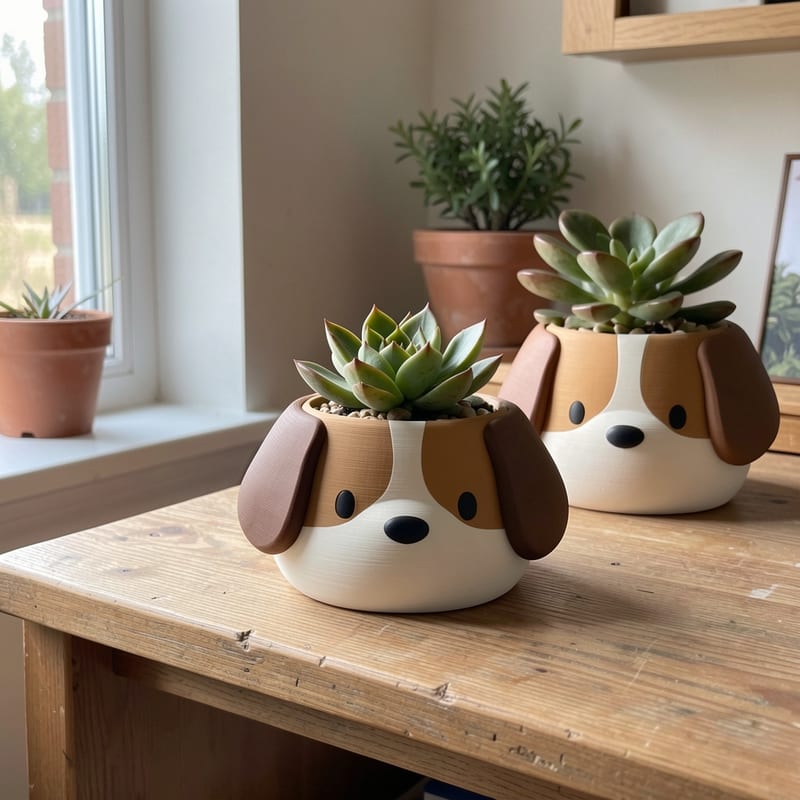
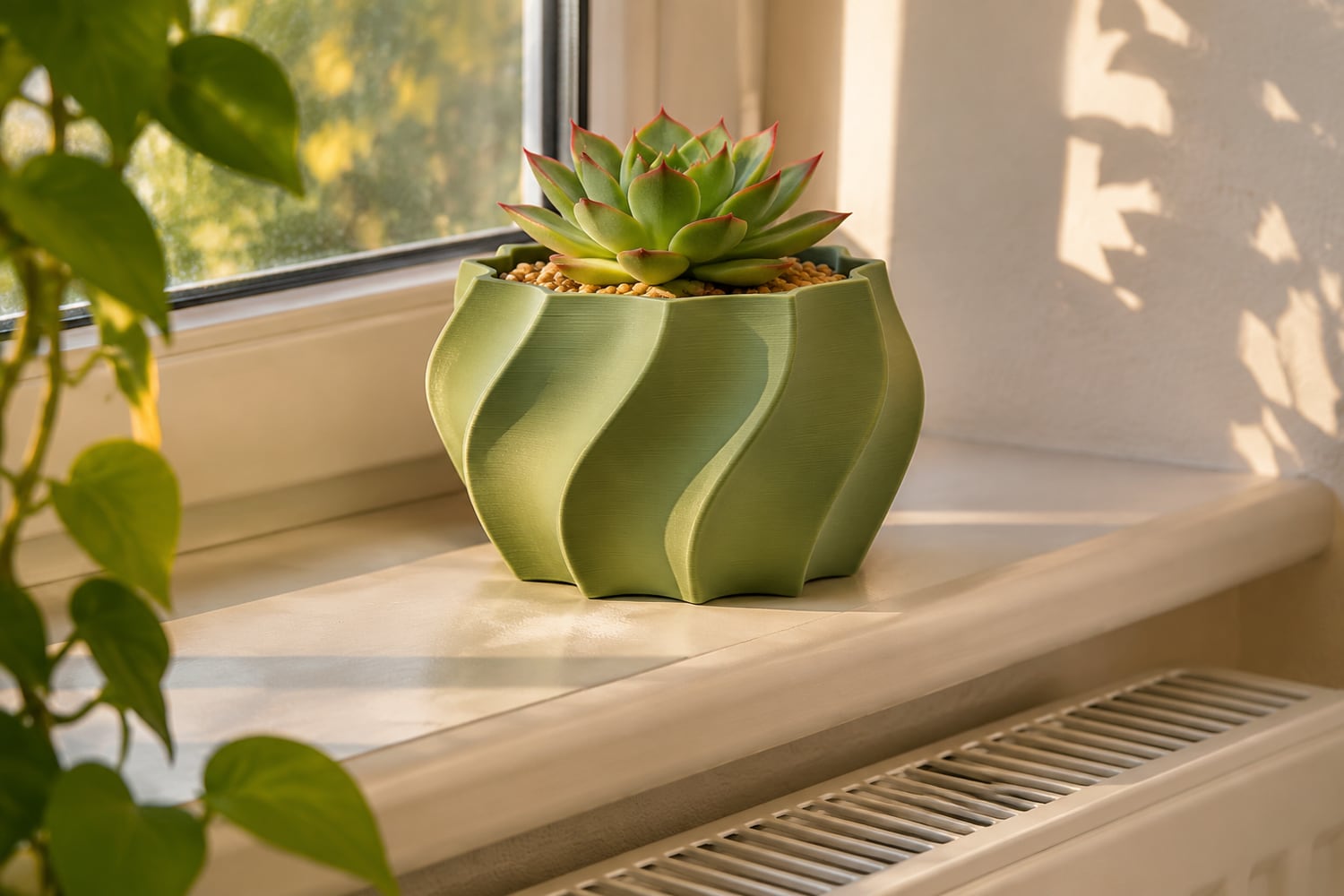
A sill that gets bright but indirect light, or direct sun for only part of the day, is a reasonable home for printed pieces. A small set like this succulent planter set does well on a north- or east-facing sill, or one shaded by a curtain in the afternoon. On a sill in full sun all day, expect gradual fading over time and keep thin parts away from the hottest glass. If the pot holds soil and water, read whether a printed vase can hold water before you plant.
Sunny shelves
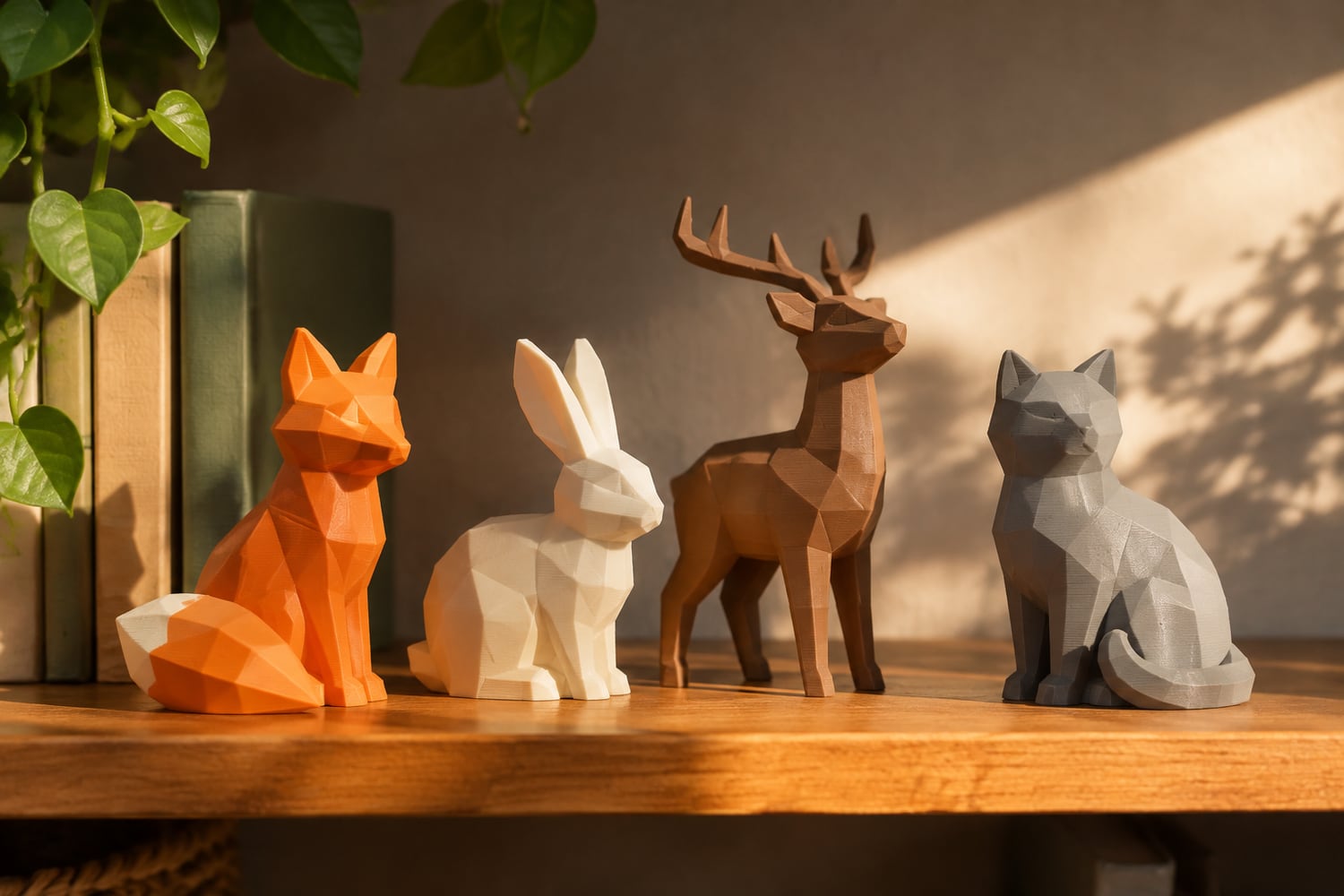
Figurines and sculptures on open shelves usually get a few hours of light at most, which is the gentle end of the scale. Check whether the low winter sun hits the shelf in the afternoon. If it does, move the most colorful pieces to the shaded end.
Entryways near windows
Wall racks and hooks by a glass front door can catch strong morning or evening light. The sun moves, so a piece may only be in the beam for an hour. That's usually fine. A spot that sits in direct sun for half the day is worth reconsidering.
Fairy gardens and outdoor spots
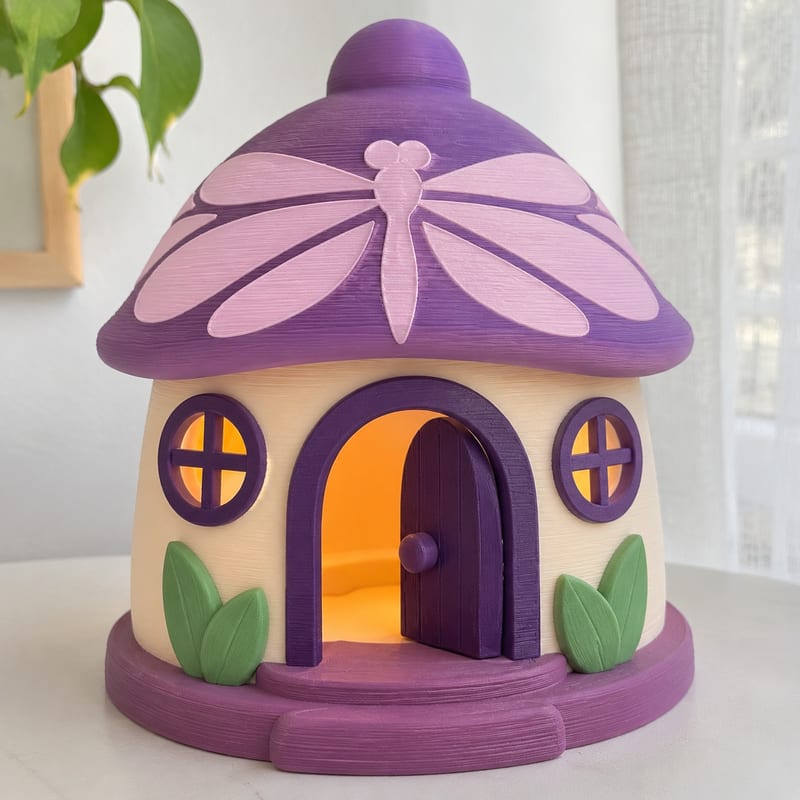
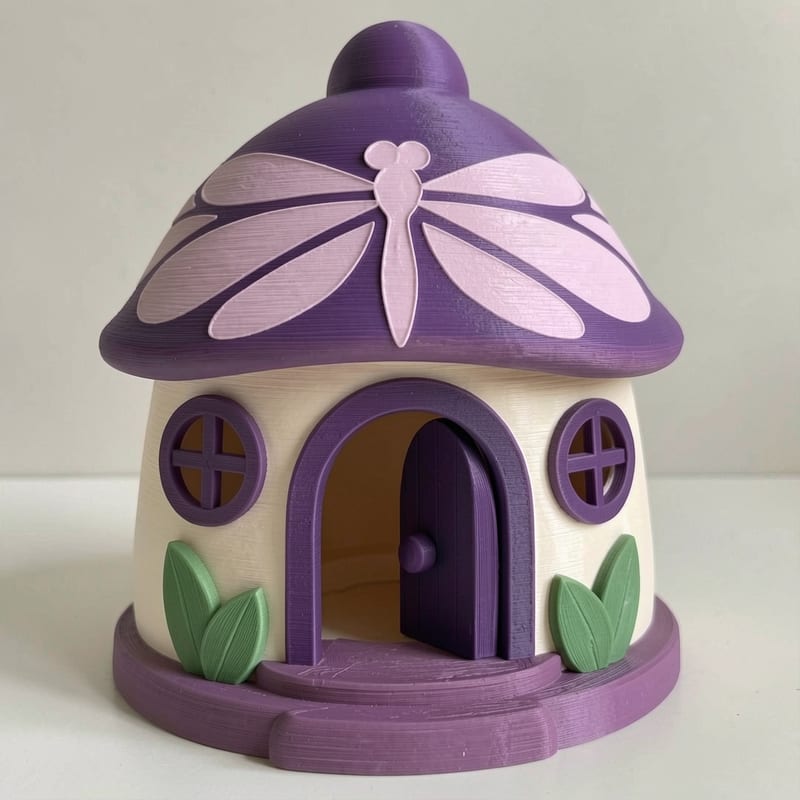
Miniatures like this dragonfly wing fairy house suit an indoor fairy garden or terrarium. In an outdoor bed in full sun, standard PLA will fade and can eventually turn brittle, as the timelines above show. For cold-weather outdoor use, see can PLA be used outside.
Simple ways to keep colors bright
None of these take more than a minute, and together they stretch the life of a piece a long way.
- Turn pieces now and then. If one side always faces the window, it will fade unevenly. Turning a planter or figurine every so often spreads any change and keeps it from looking patchy.
- Use sheer curtains or blinds. Filtering the harshest midday and afternoon sun cuts both the light and the heat on the sill.
- Pick colors that hide change. For a spot you know is sunny, whites, grays and soft neutrals show fading far less than bold reds or deep blues.
- Keep heat separate in your head. Move pieces off radiators, away from heating vents, and never leave them on a car dashboard. That's a warping risk, not a fading one, and it acts fast.
- Store seasonal decor in the dark. Holiday pieces that sit in a box for most of the year age very slowly. Our guide to ornament durability covers storage.
- Accept that fading is permanent. Once the pigment has broken down, cleaning won't bring it back. Prevention is the only real fix.
The bottom line
PLA does fade in sunlight, but slowly and mostly in strong, direct sun that lasts for months. Normal room light and indirect daylight are fine. Heat is the faster threat and a separate one, so keep printed pieces away from hot glass, radiators and cars. Turn pieces now and then, filter the strongest light, and save full-sun outdoor spots for materials made for them.
Every piece on Filagora is printed to order by an independent maker, so if you have a particularly sunny spot in mind, ask about the material and color before you buy.
Frequently asked questions
Will PLA melt in the sun?
No. PLA melts at around 160–180°C, far above anything sunlight can reach. It can soften and warp at its glass transition of roughly 57–65°C, which a hot car or a dark piece behind sunny glass can reach.
Does PLA get brittle on a windowsill?
It can, but it usually takes long, strong exposure. Color fades first; brittleness tends to follow after months of strong direct sun, and it shows up fastest outdoors and in thin parts.
Can a 3D printed planter sit on a sunny windowsill?
Yes, especially on a sill with indirect light or only part-day sun. In full sun all day expect gradual fading, so turn the pot now and then and keep it away from radiators and hot glass.
Do 3D prints fade under indoor lights?
Not in any meaningful way. Print makers describe PLA as colorfast under normal room lighting; the fading people notice comes from prolonged direct sunlight.
Is PETG more UV resistant than PLA?
PETG holds up better than PLA but isn't fade-proof. In full sun year after year it slowly yellows and loses some toughness; ASA is the usual choice for parts that sit in direct sun all year.
Pieces from this guide
Printed to order by makers on Filagora.