Is PLA Biodegradable? What It Means for 3D Printed Gifts
PLA is plant-based, but it only breaks down in hot industrial compost, not a garden bin or curbside recycling. Here's what that means for 3D printed gifts.
By the Filagora team · November 10, 2026 · 8 min read
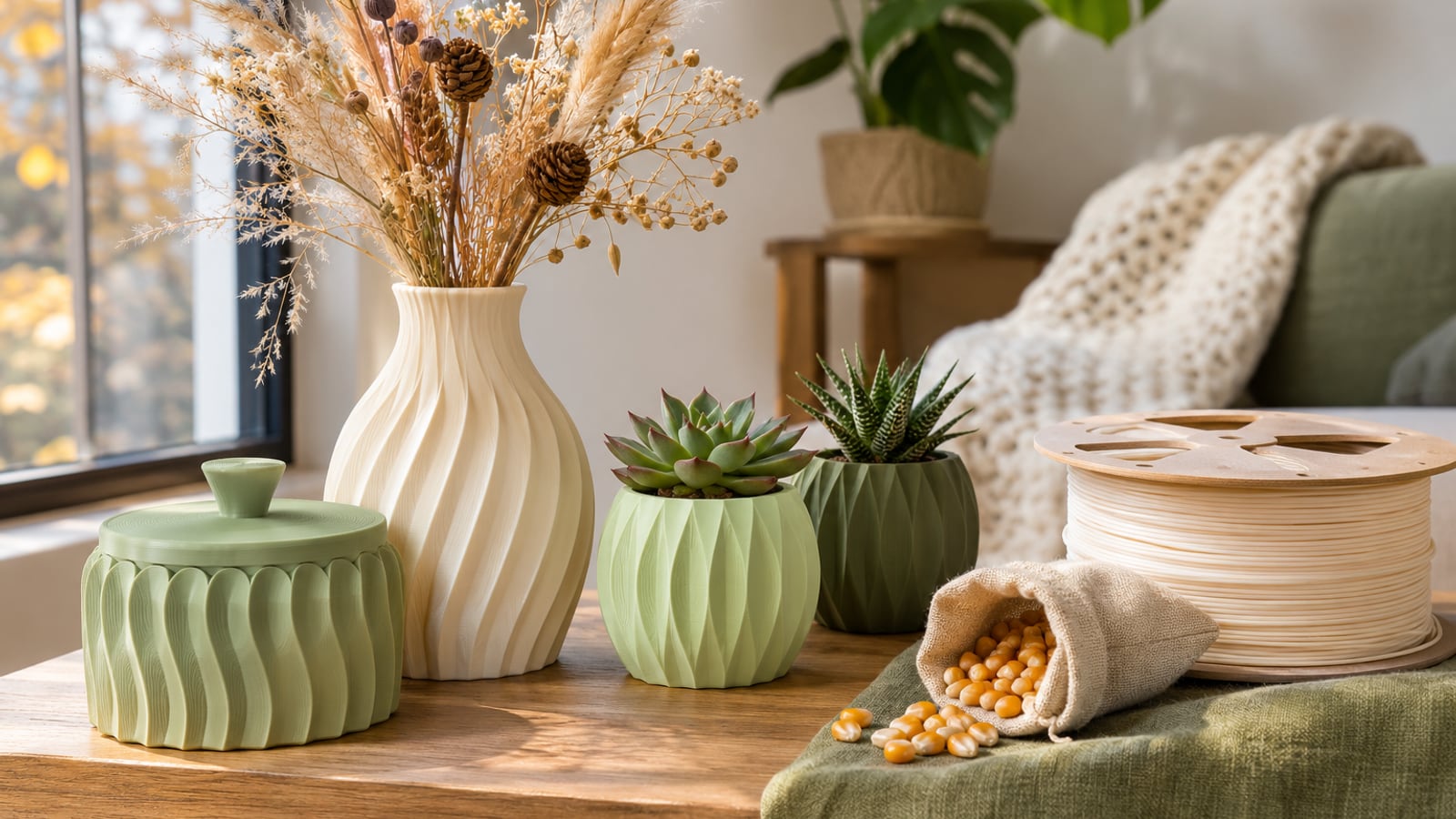
PLA is biodegradable only under industrial composting conditions: sustained heat of about 55–60 °C for 6–12 weeks (Kitech). In a backyard compost bin, a landfill or the ocean, it can last for hundreds of years (Filabot). So the label "plant-based" is accurate. The label "biodegradable" needs fine print.
That doesn't make a 3D printed gift a bad choice. It means the green part of the story comes from how long the object gets used and how it's made, not from what happens when it's thrown away. Here's the buyer's version of the facts.
The short answer
- Plant-based: yes. PLA is made from plant starch, not oil.
- Biodegradable: only in a hot industrial composting facility, and many of those won't take it.
- Home compostable: no.
- Curbside recyclable: almost never.
- Eco-friendly: it can be, if the piece is something you'll keep and use for years.
What PLA is made from
PLA (polylactic acid) is a polyester made from fermented plant starch, such as corn, cassava, sugarcane or sugar beet pulp (Biopak). Fossil plastics like PET come from limited fossil resources, while PLA comes from rapidly renewable crops (Biopak).
That renewable source is real, and it's the main environmental advantage of PLA. It isn't free, though. Turning corn or sugarcane into PLA is a complex process, and Columbia's Climate School notes it can cost 20–50% more than comparable materials (Columbia Climate School).
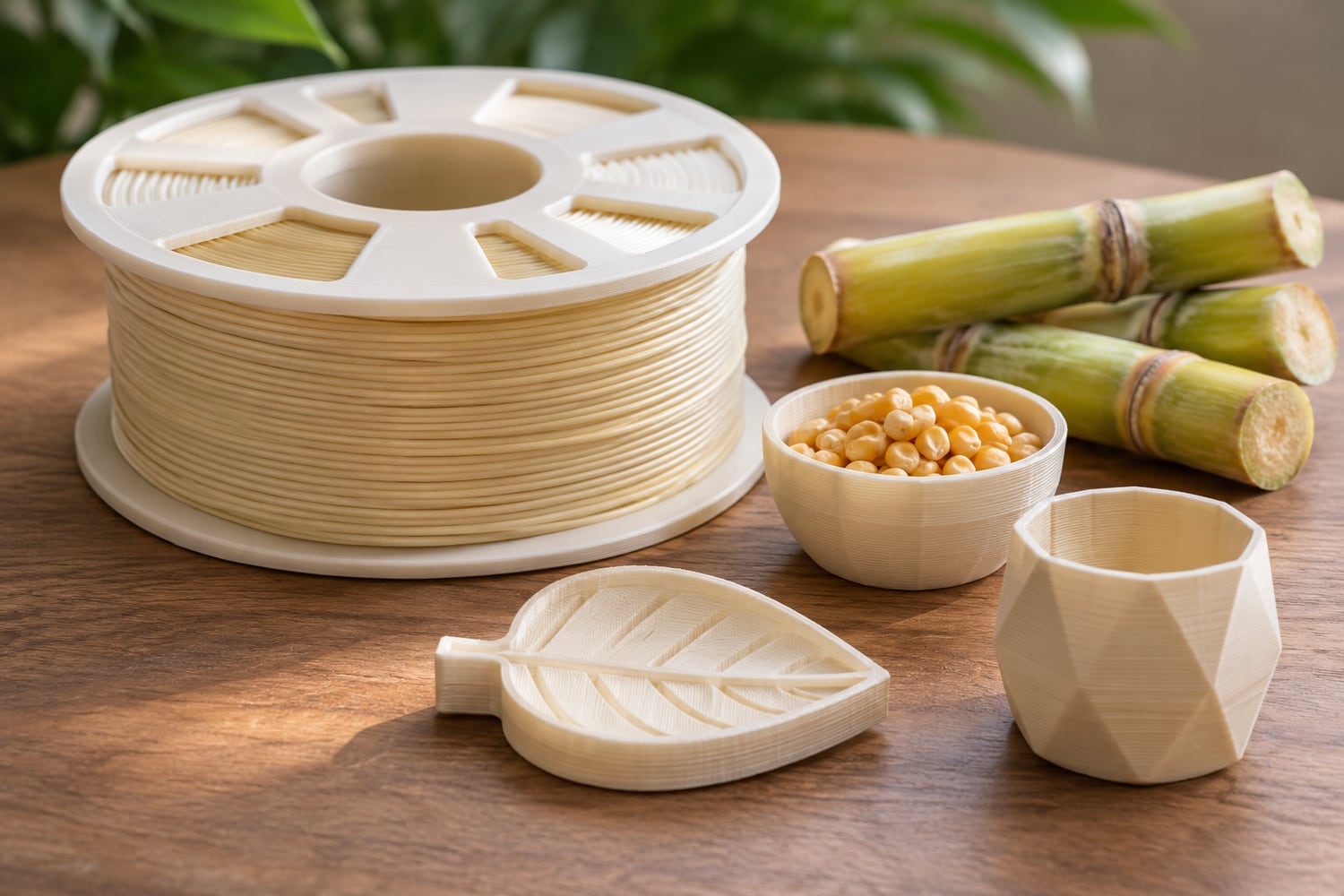
Most decorative 3D printed items, including much of what makers sell on marketplaces like Filagora, are printed in PLA or PETG. PETG is a fossil-based plastic in the same family as drink-bottle PET, and it is not biodegradable at all. Some makers also print with recycled PLA. If the material matters to you, check the listing or message the maker before you order. A good maker will tell you exactly what a piece is printed in.
Will PLA biodegrade in your garden, a landfill or the ocean?
Where PLA ends up decides almost everything about how it behaves.
Home compost bin
Cold home compost bins don't work for PLA. At ambient temperatures it may take hundreds of years to degrade (Wevolver). Researchers still describe PLA as non-biodegradable under home-composting conditions, and in one study they needed blends with at least 30% of other biopolymers (PHB or TPS) to make a home-compostable material (PMC).
You may see claims that wood-fill PLA is "fully biodegradable and suitable for home composting." The wood particles don't change the fact that the binder is PLA, so treat those claims with caution.
Industrial composting
This is where PLA does break down. Facilities working to the EN 13432 standard run at 55–60 °C for 6–12 weeks (Kitech).
The catch is access. A survey by German Environmental Aid (DUH) of nearly 1,000 composting plants in Germany found that 95% can't compost bioplastics to standard, and 80% treat them as an interfering substance (3Dnatives). If you're in the UK or EU, assume your food-waste bin is the wrong place for a printed object unless your council says otherwise. In the US, check your local composting service's accepted list. Many don't take any bioplastics.
Landfill
Landfills are built to keep things dry and sealed, not hot and active. Filabot says PLA could take several hundred years to break down in a typical landfill (Filabot).
Nature and the ocean
PLA doesn't break down in a backyard or the ocean (Filabot). Experts interviewed by 3Dnatives said the biggest misconception about PLA is that "biodegradable" means it doesn't matter if it ends up in nature (3Dnatives). It does matter. Litter is litter.
| Where it ends up | Does PLA break down? | What to know |
|---|---|---|
| Home compost bin | No, not in any useful time | May take hundreds of years at ambient temperature |
| Industrial composting (EN 13432) | Yes, in 6–12 weeks at 55–60 °C | Many plants won't accept it |
| Curbside recycling | Not processed | Resin code 7; contaminates other plastics |
| Landfill | Very slowly | Could take several hundred years |
| Garden, park, ocean | No | Behaves like any other plastic litter |
Can you put 3D printed items in the recycling bin?
Usually not. PLA and ABS fall under resin code 7 ("Other"), which most municipal curbside programs don't process (All3DP). Programs reject PLA because it contaminates other plastic streams and needs different processing temperatures (Siraya Tech).
The contamination problem is bigger than it sounds. A 2024 study in Waste Management, cited by Kitech, found that even 1% PLA in a recycled HDPE stream degrades the output, and 10% contamination cuts tensile strength by 50% (Kitech). Putting a printed item in the recycling bin "just in case" can do more harm than good.
PLA can be recycled in principle, either mechanically or chemically by breaking it back down to lactic acid and repolymerizing it. The world's first commercial chemically recycled bioplastic product contains 20% recycled content (Kitech). But the infrastructure hasn't scaled up, mainly because end markets for recycled PLA haven't been developed (Everyday Recycler).
One more practical point: most printed objects aren't stamped with a resin code at all, so a sorting facility has no way to know what they are.
Biodegradable doesn't mean fragile
A common worry from buyers is that a "biodegradable" vase or ornament will slowly rot on the shelf. It won't. PLA needs sustained high heat plus the microbes of an active industrial compost pile to break down. A living room, a bookshelf or a dry closet comes nowhere close.
So the same fact answers both concerns: PLA is not going to vanish in your compost heap, and it's not going to crumble on your mantel. What does damage PLA is heat. It softens at temperatures a closed car or a hot windowsill can reach, and long sun exposure can fade colors. Our guide on how long 3D printed items last covers care in detail.
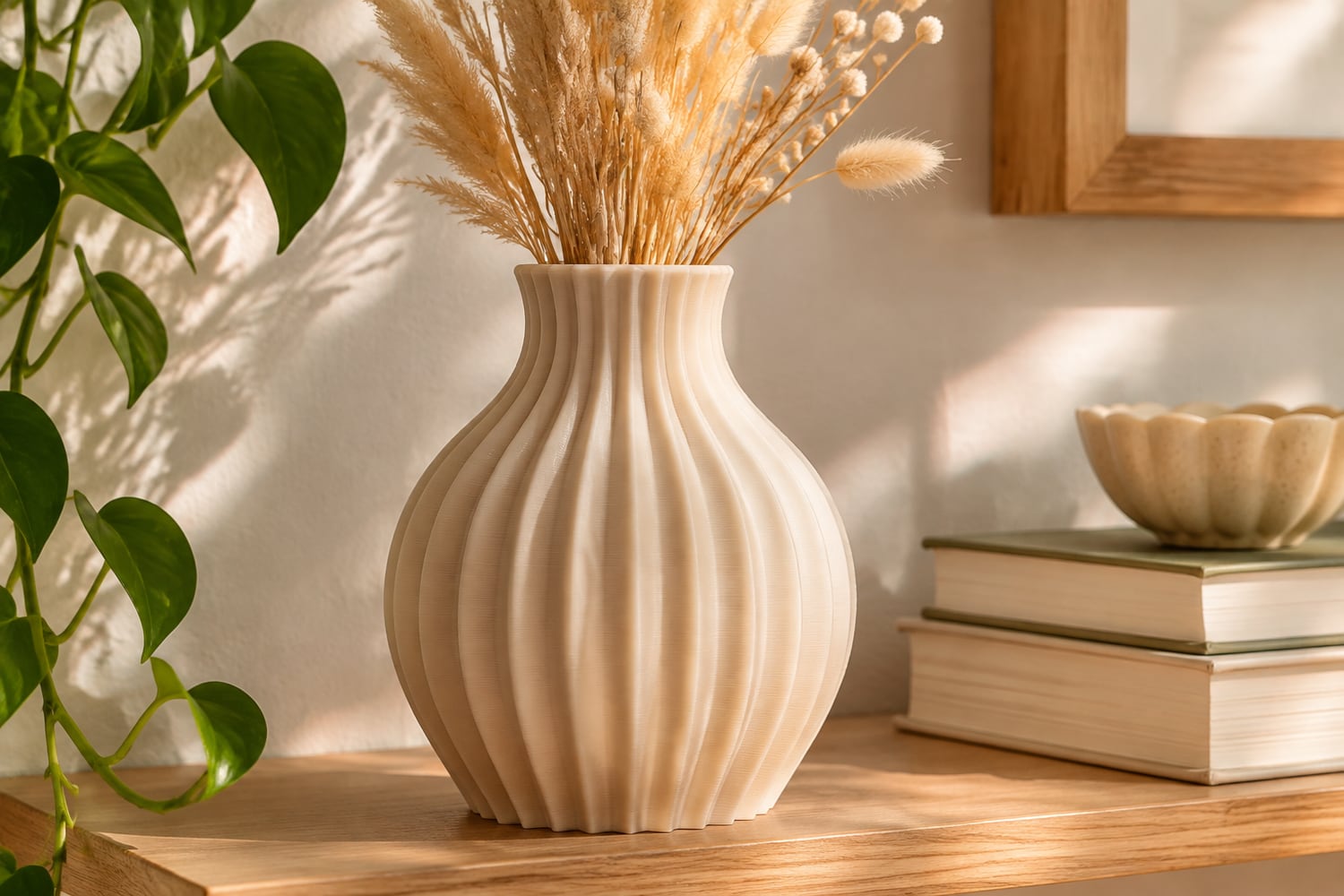
If you're buying a vase, dried flowers sidestep the question of water-tightness entirely. If you want fresh flowers, read whether a 3D printed vase can hold water first.
Where print-to-order really is greener
The stronger environmental case for 3D printed goods isn't about the material. It's about how they're made.
- No overstock. A piece printed after you order it never sits in a warehouse and never gets landfilled as unsold seasonal stock.
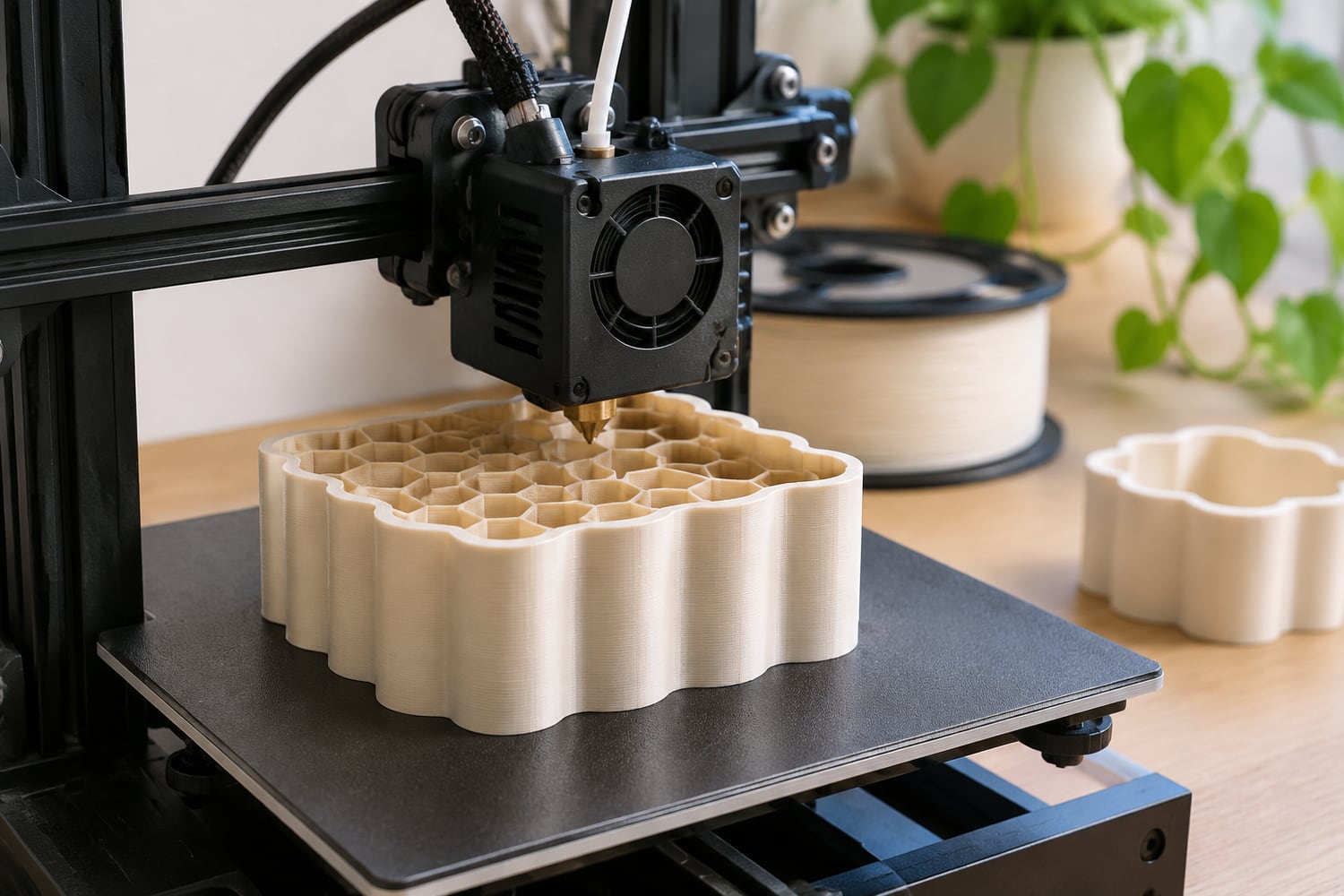
- Less material per object. Printed items are usually hollow inside, filled with a lattice rather than solid plastic. Niro3D, a print shop, says latticed infill uses much less material than a solid casting (Niro3D).
- Limited waste. The same shop says support material and failed prints usually account for under 10% of material (Niro3D).
- Local production. Niro3D also argues that printing close to the buyer cuts shipping emissions (Niro3D).
These figures come from a seller describing its own process, so treat them as a reasonable estimate rather than independent measurement. Waste rates vary a lot from maker to maker and design to design.
Where it isn't
Honesty matters here, because some sellers stretch the claim.
- Plastic is still plastic. A printed object that gets thrown away after one season is a plastic object in a landfill, plant-based or not.
- PETG has no biodegradable story. Many sturdy or heat-resistant pieces are printed in it.
- Recycling options are thin. As covered above, there's no reliable household route for PLA right now.
- Local isn't automatic. A piece shipped across an ocean from the maker loses part of the shipping advantage. Checking where the maker is based is worth a few seconds.
- Novelty items cut against it. A joke gift that gets binned in January undoes the benefits of no overstock and low waste.
How to make a 3D printed gift a lower-impact choice
Buy things that get used for years
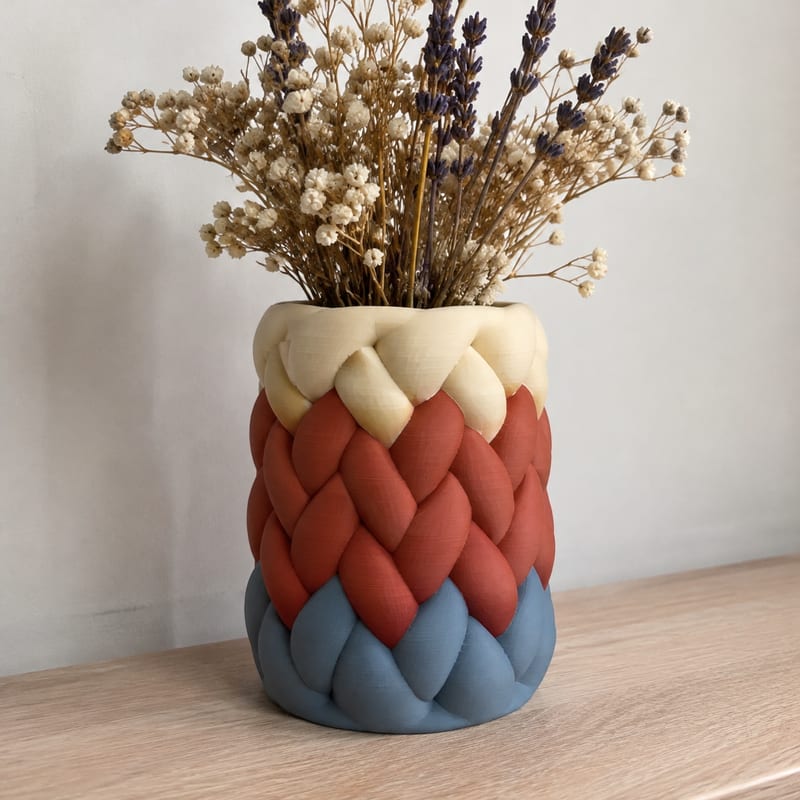
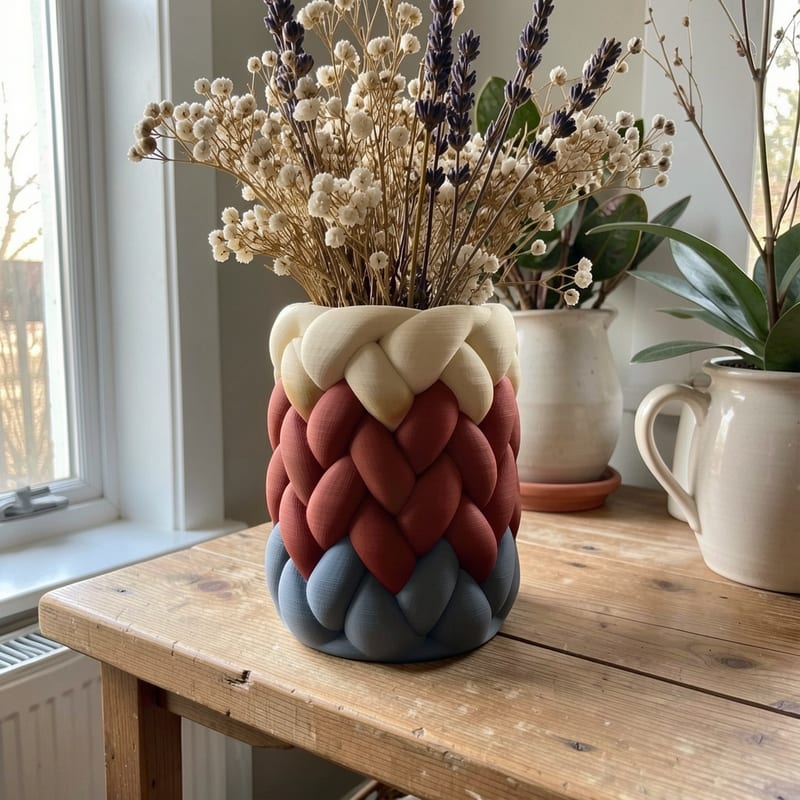
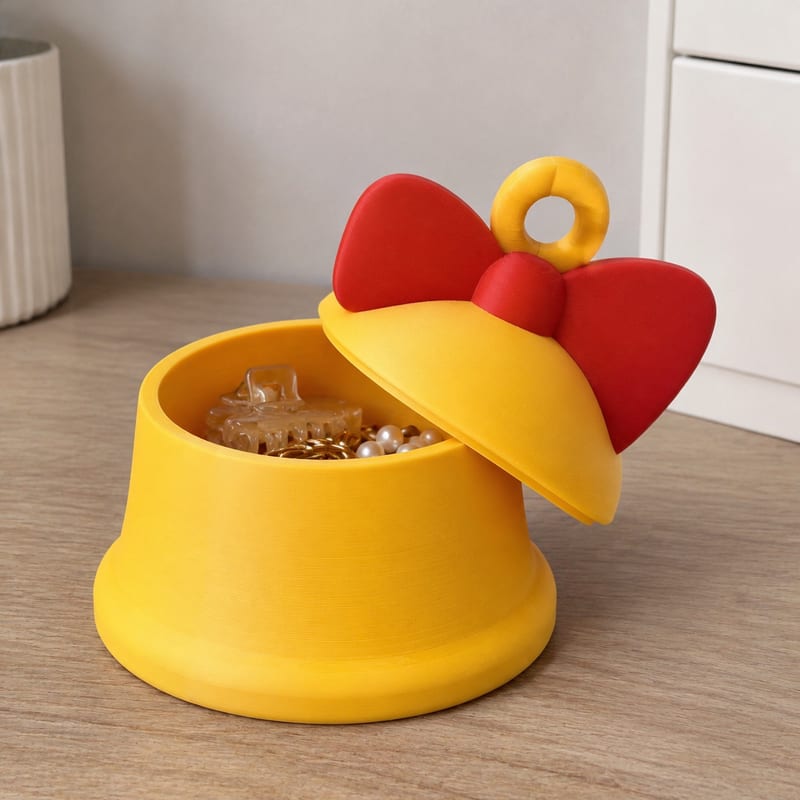
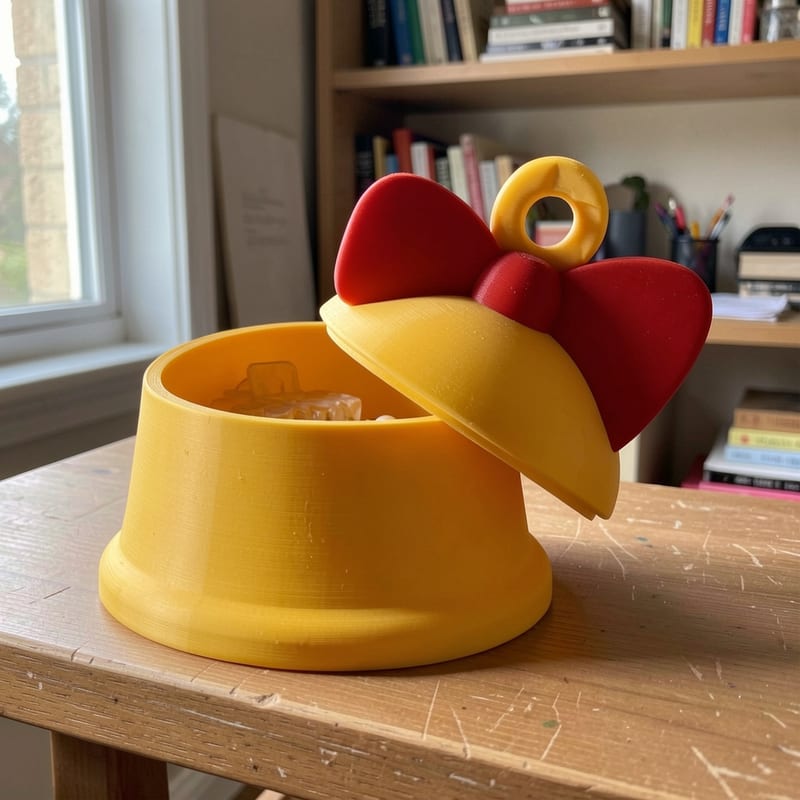
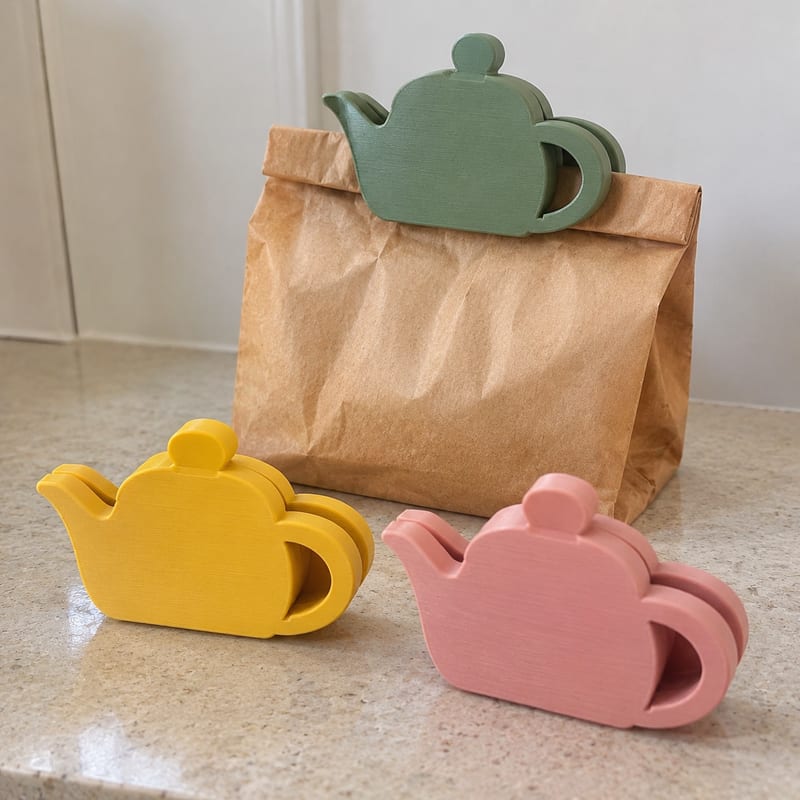
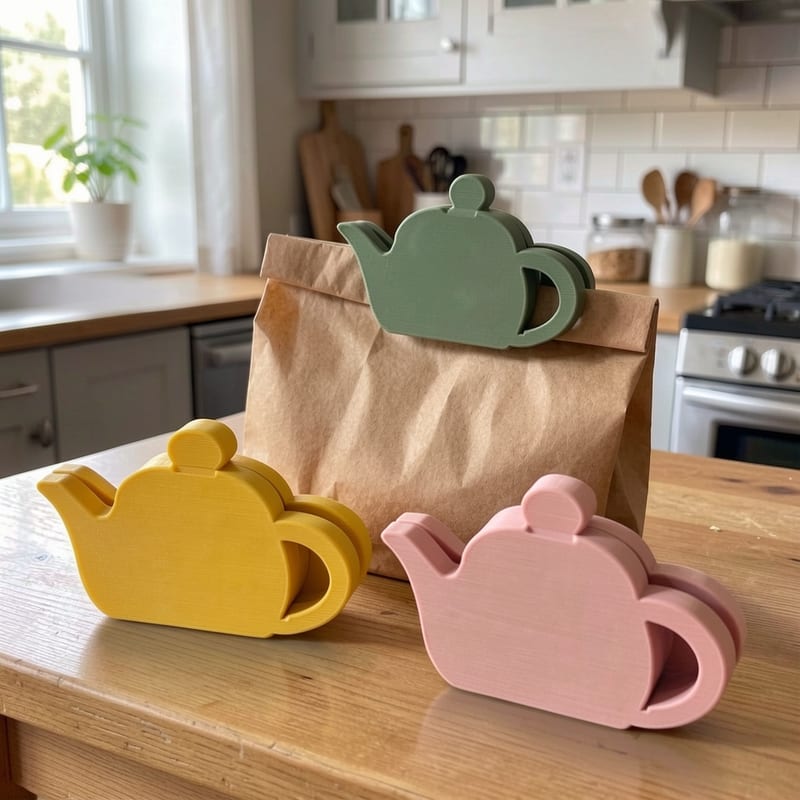
The single biggest factor is lifespan. Pick pieces with a job: storage boxes, planters, vases, desk organizers, bag clips. A dried flower vase can sit on a shelf for years with no water, no upkeep and no reason to replace it. A lidded storage box that works for holiday odds and ends in December and desk clutter in June earns its plastic.
Choose keepsakes over single-season decor
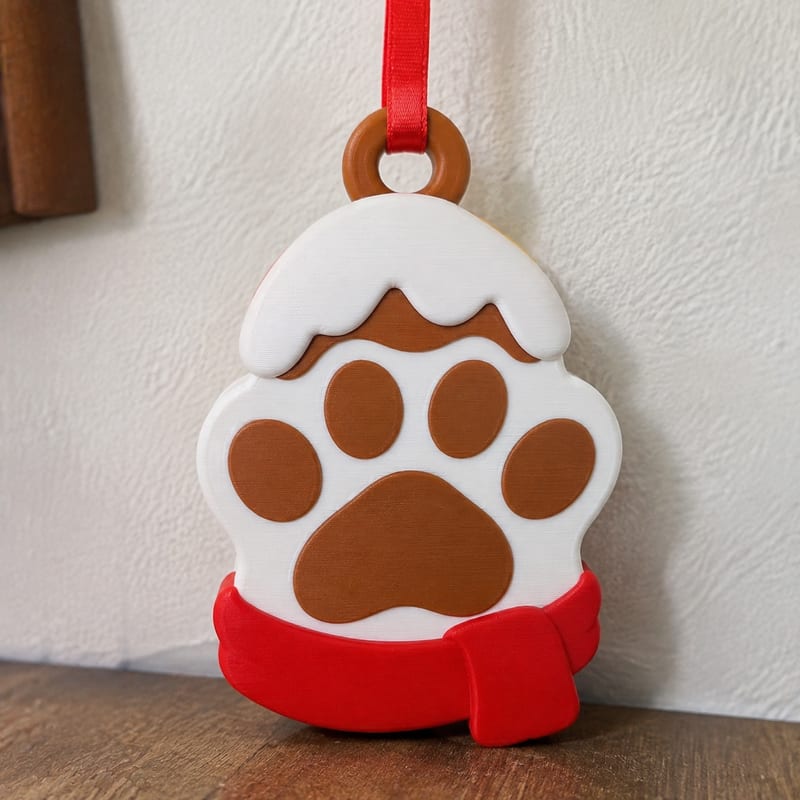
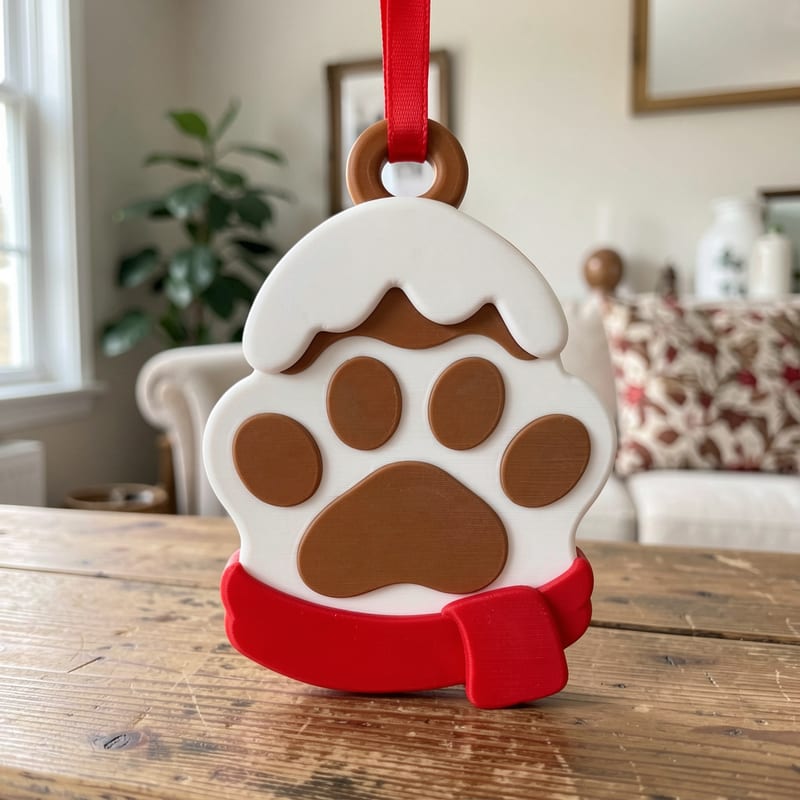
Holiday decor is where waste piles up. A sturdy ornament like this winter animal tracks ornament goes back in the box each January and comes out again next year, which is a better outcome than a disposable decoration.
Ask about recycled filament
If lower impact is part of why you're buying, message the maker and ask whether they can print in recycled PLA. Not every color or finish is available, but it's a fair question.
Keep and repair
A clean break in a PLA piece can often be glued with a cyanoacrylate (super) glue. If a part is lost or snapped beyond repair, many makers can reprint a single component instead of the whole item. Asking before you toss something costs nothing.
Don't repurpose it for food
Printed PLA and PETG are not food-safe by default. Layer lines hold bacteria and are hard to clean. A printed bag clip that seals the outside of a chip bag is fine; a printed bowl for snacks is a different story. See our food safety guide for the details.
Dispose of it correctly
When a printed item really is finished:
- Check your local rules for an industrial composting service that explicitly accepts PLA. Most don't.
- Ask the original maker whether they collect scrap for a filament recycler.
- If neither works, put it in general waste.
- Don't put it in the curbside recycling bin, your garden compost, or anywhere outdoors.
General waste feels like the wrong answer, but it's the honest one for most households today. It's also why buying something you'll keep for a decade is the part you control most.
The bottom line
PLA is a plant-based plastic that biodegrades only in hot industrial compost, and most people can't get it there. It won't rot on your shelf, and it won't disappear in your garden. A 3D printed gift is a reasonable choice when it's made to order, built to be useful, and kept for years.
If that's the kind of gift you're after, Filagora's vases and planters and other everyday pieces are printed to order by independent makers, and you can ask any of them what material they use.
Frequently asked questions
Is PLA compostable at home?
No. PLA needs industrial composting at about 55–60 °C for 6–12 weeks, and in a cold home compost bin it may take hundreds of years to break down.
Can PLA go in curbside recycling?
Almost never. PLA is resin code 7, which most curbside programs don't process, and even small amounts can contaminate other recycled plastics.
Will my 3D printed decor fall apart because PLA is biodegradable?
No. PLA only breaks down with sustained high heat and active industrial composting, so it stays stable on a shelf indoors. Heat from hot cars or sunny windowsills is the bigger risk, since it can soften the plastic.
What should I do with a broken 3D printed item?
Try gluing a clean break first, or ask the maker whether they can reprint a single part. If it's truly finished, use an industrial composting service that accepts PLA if one exists locally; otherwise put it in general waste, not the recycling bin.
Are 3D printed gifts sustainable?
They can be lower impact when they're printed to order, use hollow infill, and are something the recipient will use for years. A printed item that gets thrown away after one season is still plastic waste.
Pieces from this guide
Printed to order by makers on Filagora.