Why Are 3D Printed Items So Expensive? What You're Paying For
3D printed items cost more than the plastic suggests. See where the money goes: print hours, labor, design and finishing, and how to judge a fair price.
By the Filagora team · November 17, 2026 · 8 min read
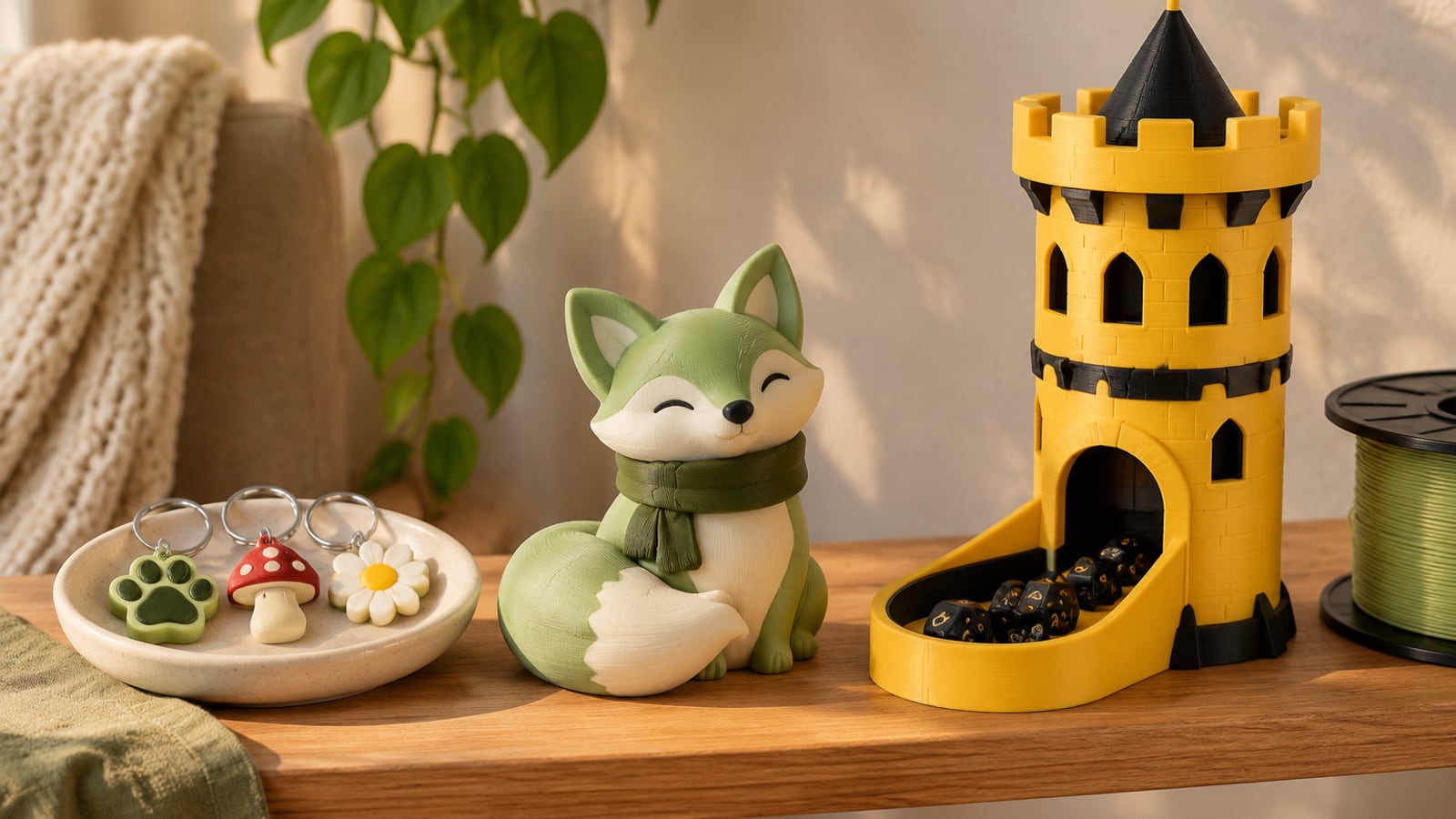
When you buy a 3D printed item, most of the price pays for time: hours of machine running plus the hands-on work before and after the print. The plastic is usually the cheapest part. One gift-idea site estimates that about $3 of filament covers a dozen small prints (3D Printing Ideas). So when a printed dice tower costs many times what a keychain does, the gap comes mostly from how long it sat on the printer, how much finishing it needed, and who designed it.
Here is how the cost breaks down, why prices swing so widely, and how to tell a fair price from a poor deal.
The short answer: machine hours and labor, not plastic
An industry interview on 3D Start Point says it directly: processing time, not material, is the biggest cost factor (3D Start Point). A printer builds each object one thin layer at a time, which is slow compared with conventional manufacturing (3D Incredible).
Every hour a printer runs costs energy, wear on parts and depreciation of the machine, and a single part can take several hours to print (MakeLab). A printer that spends six hours on your order can't make anything else in those six hours.
Material still matters, just less than people expect. Common materials like PLA are cheaper than specialty ones, but size and complexity drive cost the most (Ignitec).
Where the money goes
Print time
Small holiday projects are often planned as 1–3 hour or overnight prints, and a small snowflake can finish in under an hour (Tripo). A flat keychain sits at the quick end. A tall display piece, a dice tower with internal ramps, or a game set with dozens of pieces sits at the long end and may need several print runs to finish one order.
Hands-on labor
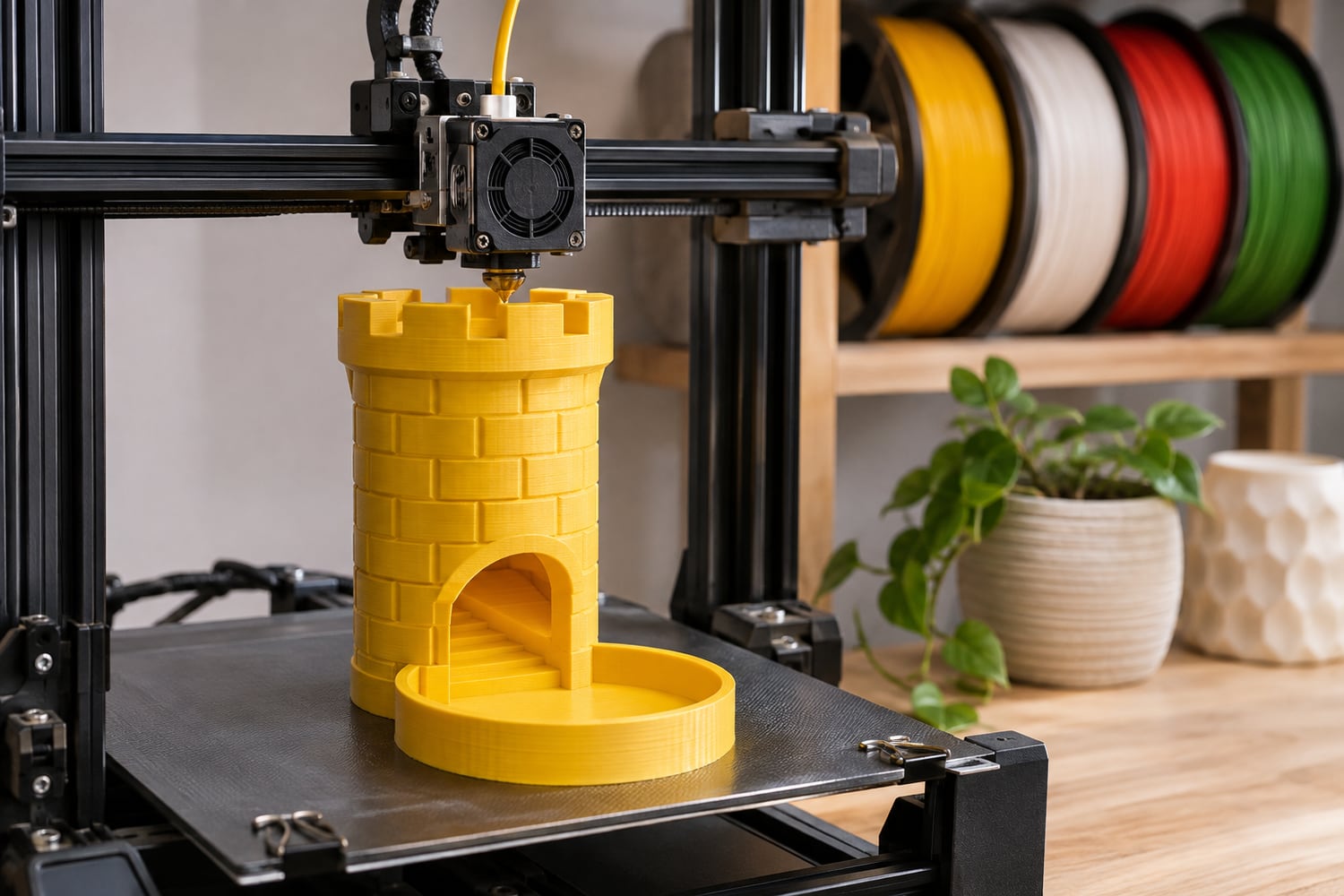
Printing is not press-a-button-and-walk-away. MakeLab lists setup, monitoring, removing supports, cleaning, quality checks and packaging as labor that goes into each print (MakeLab). Add the prints that fail halfway and have to be thrown out and restarted, which every maker deals with. Multi-color pieces take longer still, because each color change adds time and purged filament.
Design work
Someone has to model the object, print a test, find the part that snaps or sags, fix it and print again. A shop that sells its own tested designs has paid for that development time. That matters more now that Etsy changed its rules so 3D printed items must be based on the seller's own designs. 3D printing itself isn't banned there (TechRadar, Bambu Lab forum).
Packaging and shipping
Printed-to-order items ship one at a time, not by the pallet. Thin details need padding, and multi-part sets need sorting and checking before the box is closed. None of that shows up in the filament cost, but it shows up in the price.
Why 3D printing costs more than mass-produced plastic
A plastic item from a big-box store is usually injection molded. The factory pays a lot up front for a mold, then spreads that cost over thousands of identical copies, so each one ends up cheap. A 3D print carries its full production cost every time (MakeLab).
That sounds like a weakness, but it's the reason printed goods exist at all. When you only want one, there's no minimum order and no mold to pay for (MakeLab). 3D printing can compete on small or custom runs (Ignitec) and gets expensive at high volume (3D Incredible). A whimsical spice rack or a sculpted instrument stand would never sell enough copies to justify a mold, so printing is how it gets made.
Why some 3D prints are so cheap
The price spread is real. On the day this post was written, Etsy search pages showed personalized name tags for about $3.94–$4.08 on sale, and a 3D printed play-food set for $42.99 (Etsy, Etsy). Sale prices change daily, so treat those as a snapshot.
A low price isn't automatically a red flag. A small, flat name tag uses little plastic and prints fast, so it really is cheap to make. The trouble starts when a large or load-bearing item is priced like a keychain. That usually means something was cut: thinner walls, a mostly hollow inside, supports left rough, or a design copied from somewhere else.
| What can push a price down | What can push a price up |
|---|---|
| Small, flat shape | Tall or bulky shape |
| Under an hour of print time | Many hours or several print runs |
| Thin walls, sparse infill | Thicker walls and denser infill where it bears weight |
| Support marks and strings left on | Supports removed, edges cleaned |
| One color, one part | Multi-color or multi-part sets |
| Generic or reused file | Original, tested design |
How to judge whether a 3D printed item is worth its price
You can't weigh a print through a screen, but you can ask the right questions and read the photos closely.
Wall thickness and infill
Wall thickness and how solid the inside is (infill) largely decide how long a print lasts (Makenica). Walls of at least 1.2 mm are durable for most materials, and 2 mm or more is recommended for extra strength (3DPrinterly). If an item will hold weight, like a guitar or ukulele stand or a wall-mounted rack, it's fair to ask the maker what wall settings they use.
Print direction
Prints are 4–5 times stronger along their layers than between them, and PLA can break on impact (Snapmaker). A good maker orients load-bearing parts so the stress runs along the layers. That kind of judgment doesn't show up in a listing, but it shows up years later when the stand is still in one piece.
Finish
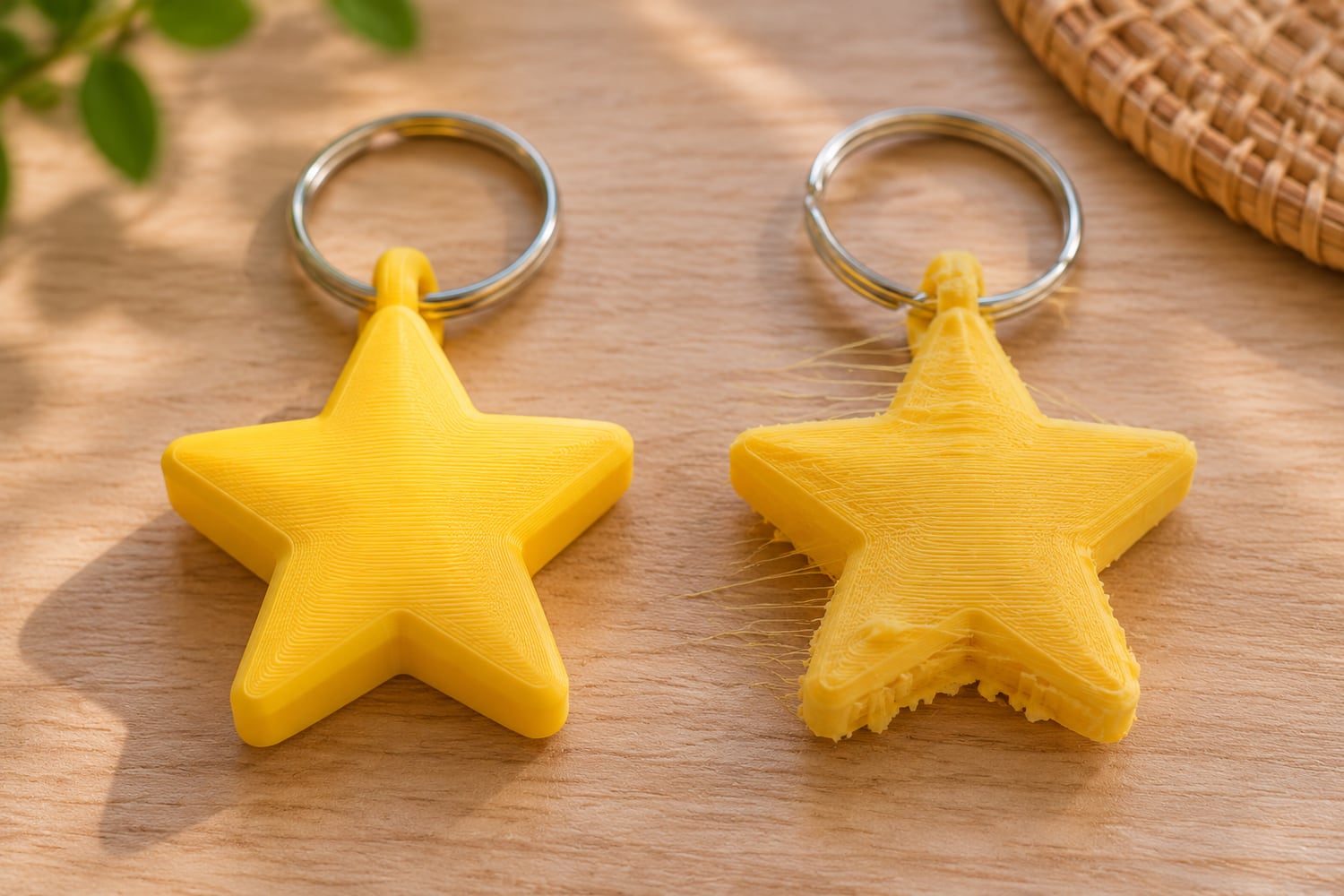
Zoom in on the photos. Look for stringy wisps between parts, blobs on curves, rough patches where supports were snapped off, and gaps in the top surface. A few faint layer lines are normal for the process. Messy surfaces on a pricey item are not.
Material and purpose
PLA suits most indoor decor, while PETG handles more heat and moisture. Our PLA vs PETG guide covers which one fits where. For care and lifespan, see how long 3D printed items last.
When a 3D printed item is the wrong buy
Some things are better bought the usual way, and an honest maker will tell you so.
- Cheap bulk basics. How-To Geek's author calls cheap bulk items not worth printing (How-To Geek). Plain hooks, generic storage bins and basic hangers are cheaper from a store.
- Planters for wet soil. The same author found 3D printed pots fell apart once filled with wet soil (How-To Geek). Printed planters work best with a liner or a nursery pot inside. More on that in can a 3D printed vase hold water.
- Anything that touches food. Printed PLA and PETG aren't food-safe by default, because the tiny grooves between layers can hold bacteria. Holders for spices, pods or salt shakers are fine. Bowls, cutters and cups are not. Our food safety guide explains the details.
- Toys for young children. Small printed parts can snap off. Keep printed figures, game pieces and charms away from children under 12.
Is it cheaper to buy a printer and make it yourself?
Sometimes, if you'll use it a lot. A study by researcher Joshua Pearce estimated that home-printer owners could save $300–$2,000 a year by making 20 household items (Tom's Guide). That article is several years old, and the same piece warns that home prints may not match the polish of store-bought goods.
The math leaves out a few things: the printer itself, the learning curve, failed prints, and the hours spent tuning settings. If you want a handful of gifts this year, buying from a maker who already has the machine dialed in is usually cheaper once your time counts. If you enjoy tinkering and want to print dozens of things, a printer can pay off.
How-To Geek also points out the flip side: some designs can't be made any other way at that cost (How-To Geek). That's where buying printed makes the most sense.
3D printed gifts that are worth the price this holiday season
The best value comes from items where printing does something a factory wouldn't bother with.
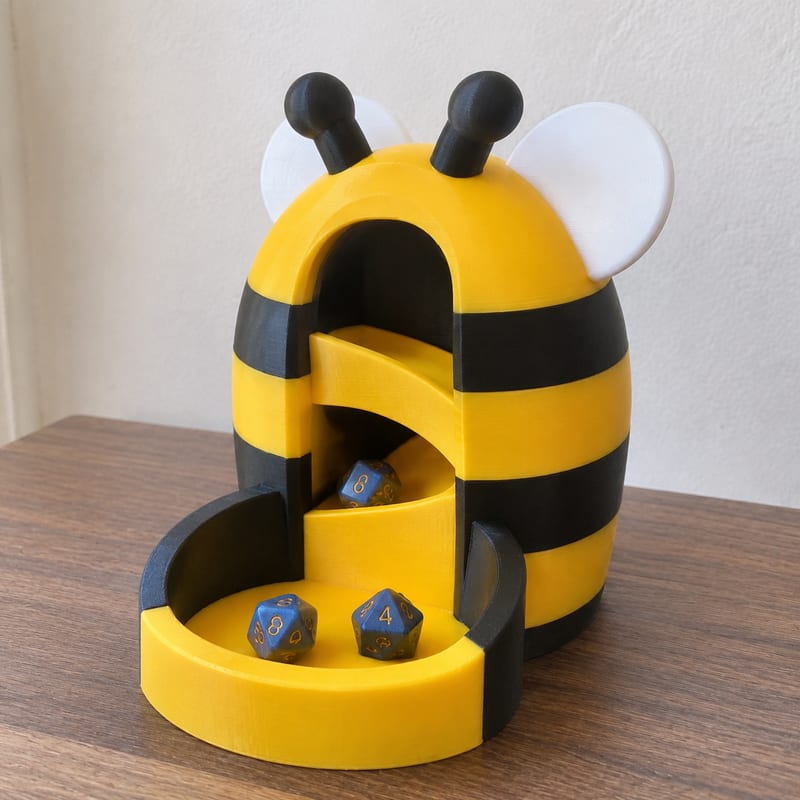
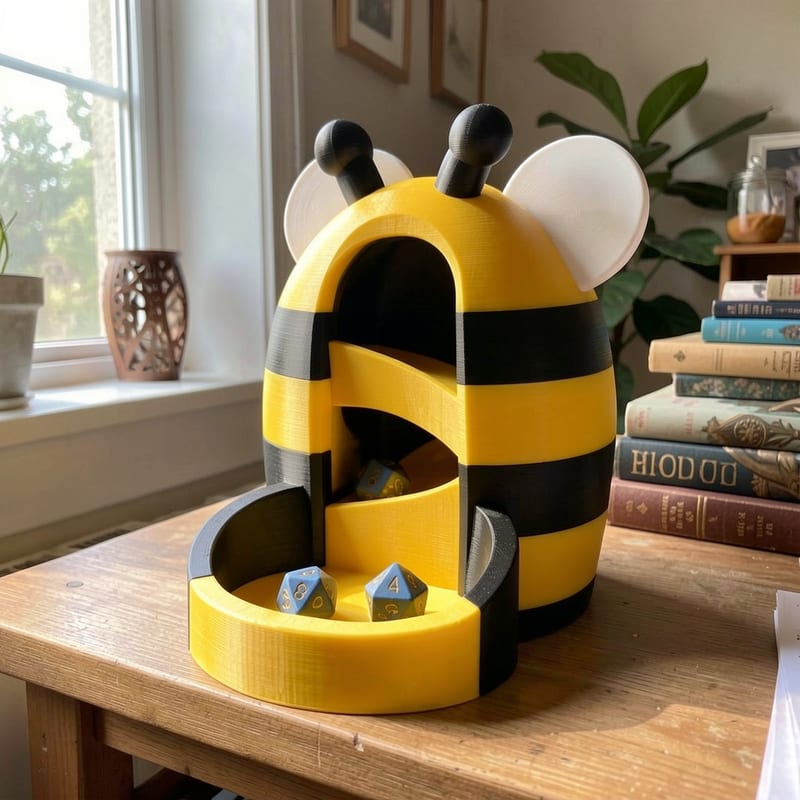
- Sculpted, functional pieces. A dice tower shaped like an animal, such as a round bumblebee dice tower, takes many hours of printing and careful internal ramps. You won't find that shape on a store shelf, and the time explains the price.
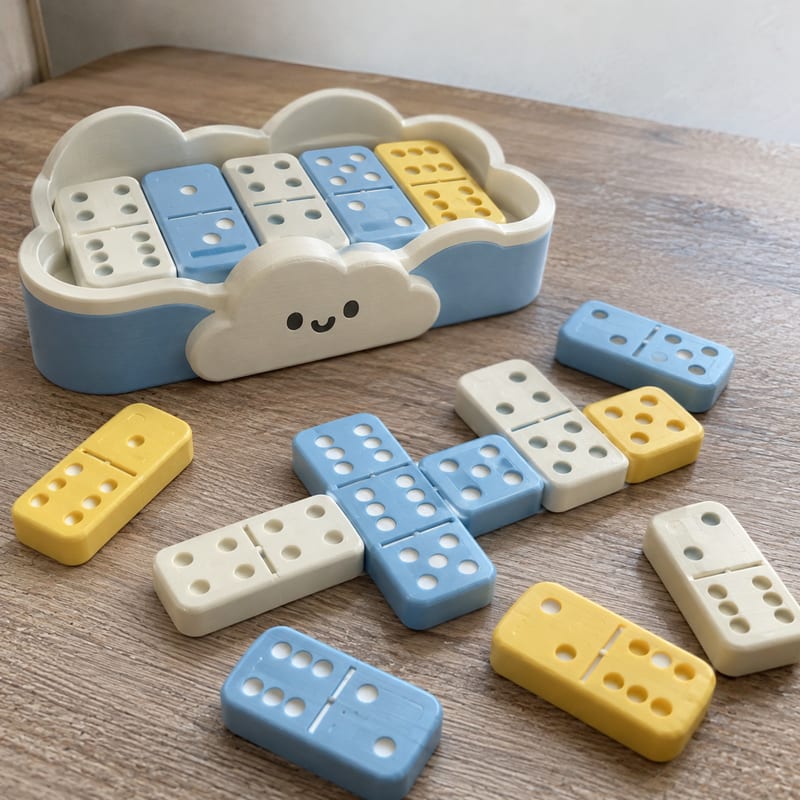
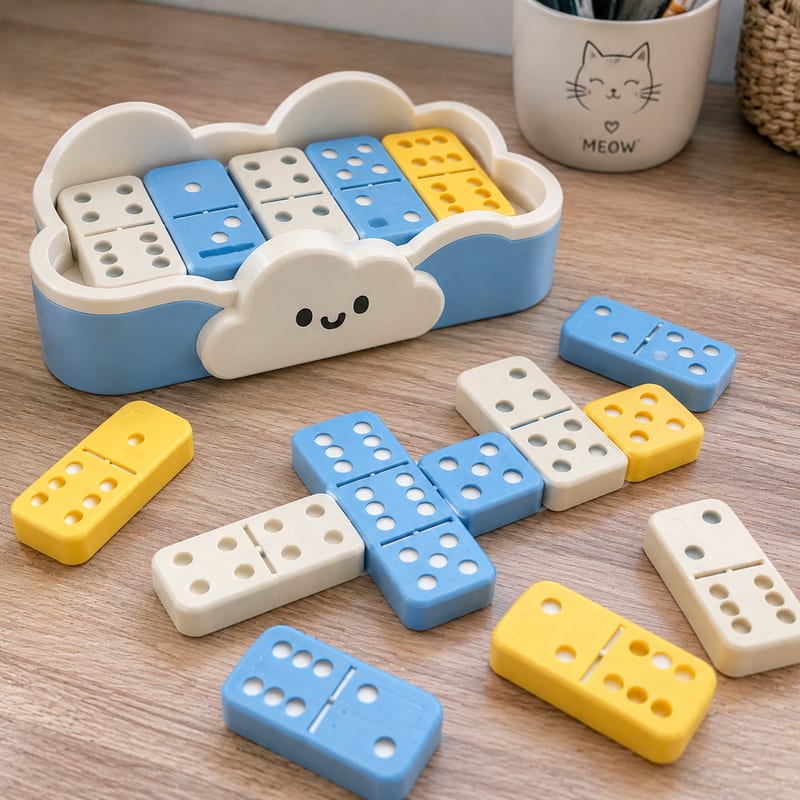
- Full sets. Coaster sets, dominoes and tic-tac-toe boards multiply print time by the number of pieces. Check that every piece in the photos looks as clean as the first one.
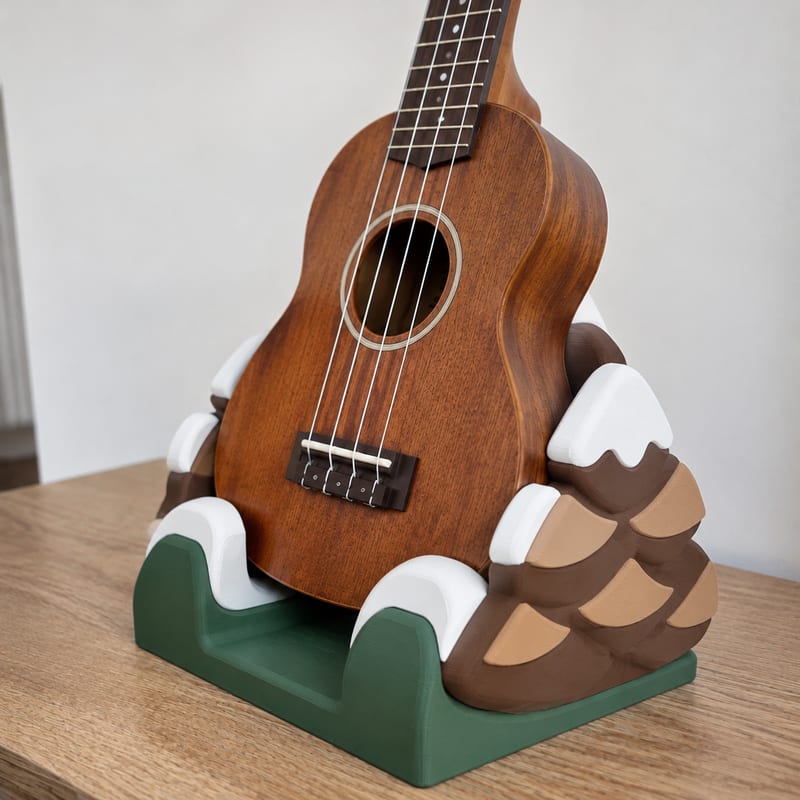
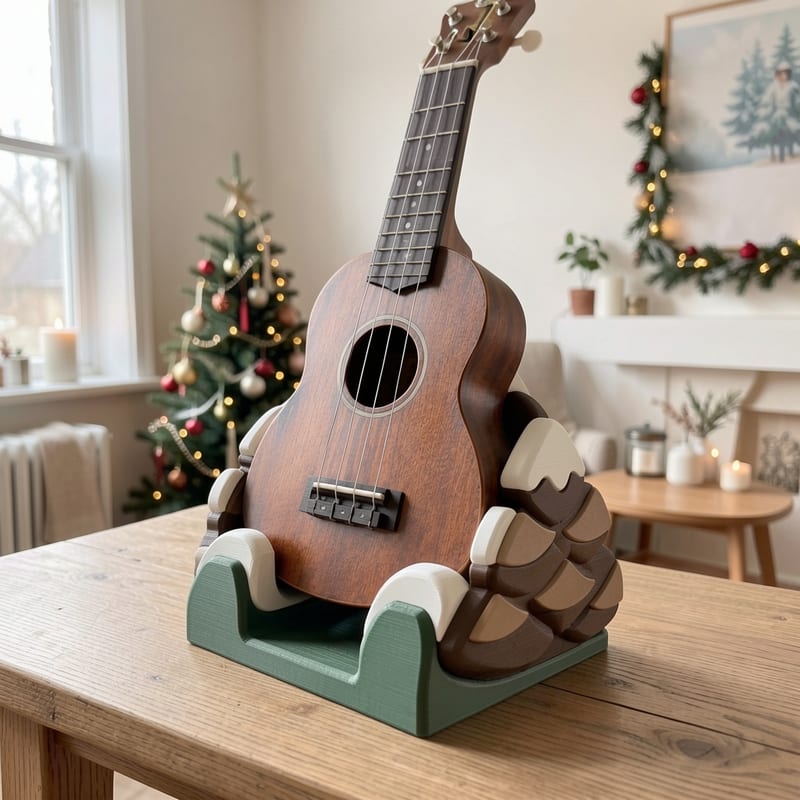
- Load-bearing stands. Instrument and tablet stands are worth paying more for if the maker uses thick walls and smart print orientation.
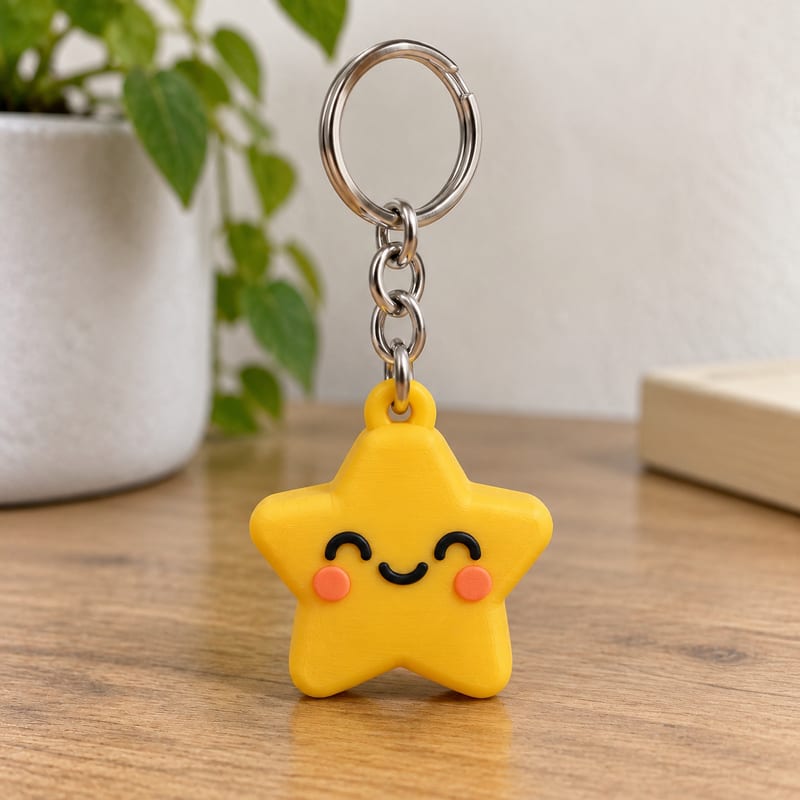
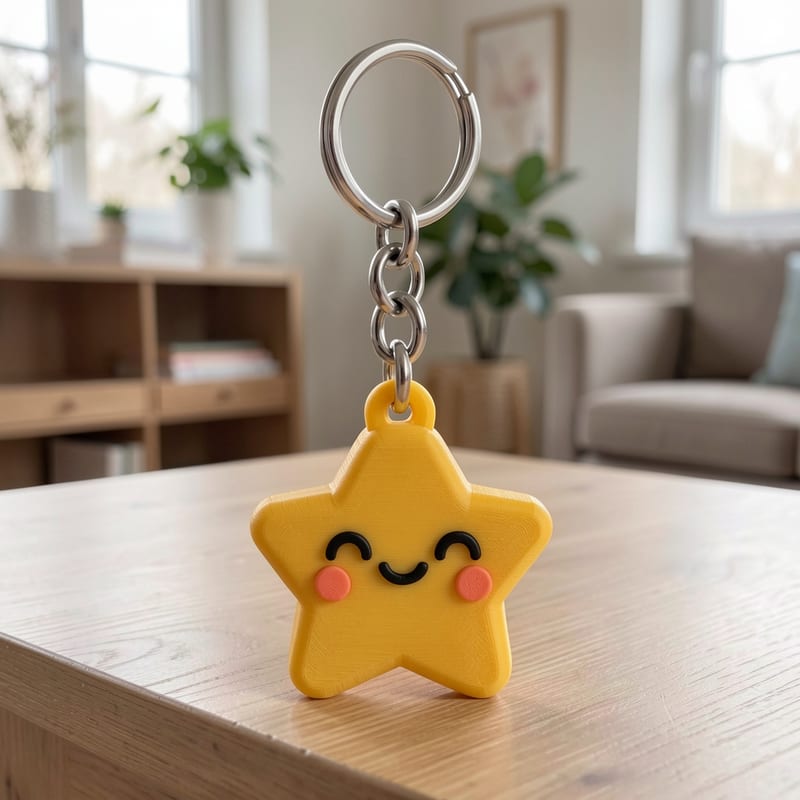
- Stocking stuffers. Keychains and small charms should be inexpensive, because they are quick to make. There's no reason to overpay, and no shame in a $5 gift that's well printed.
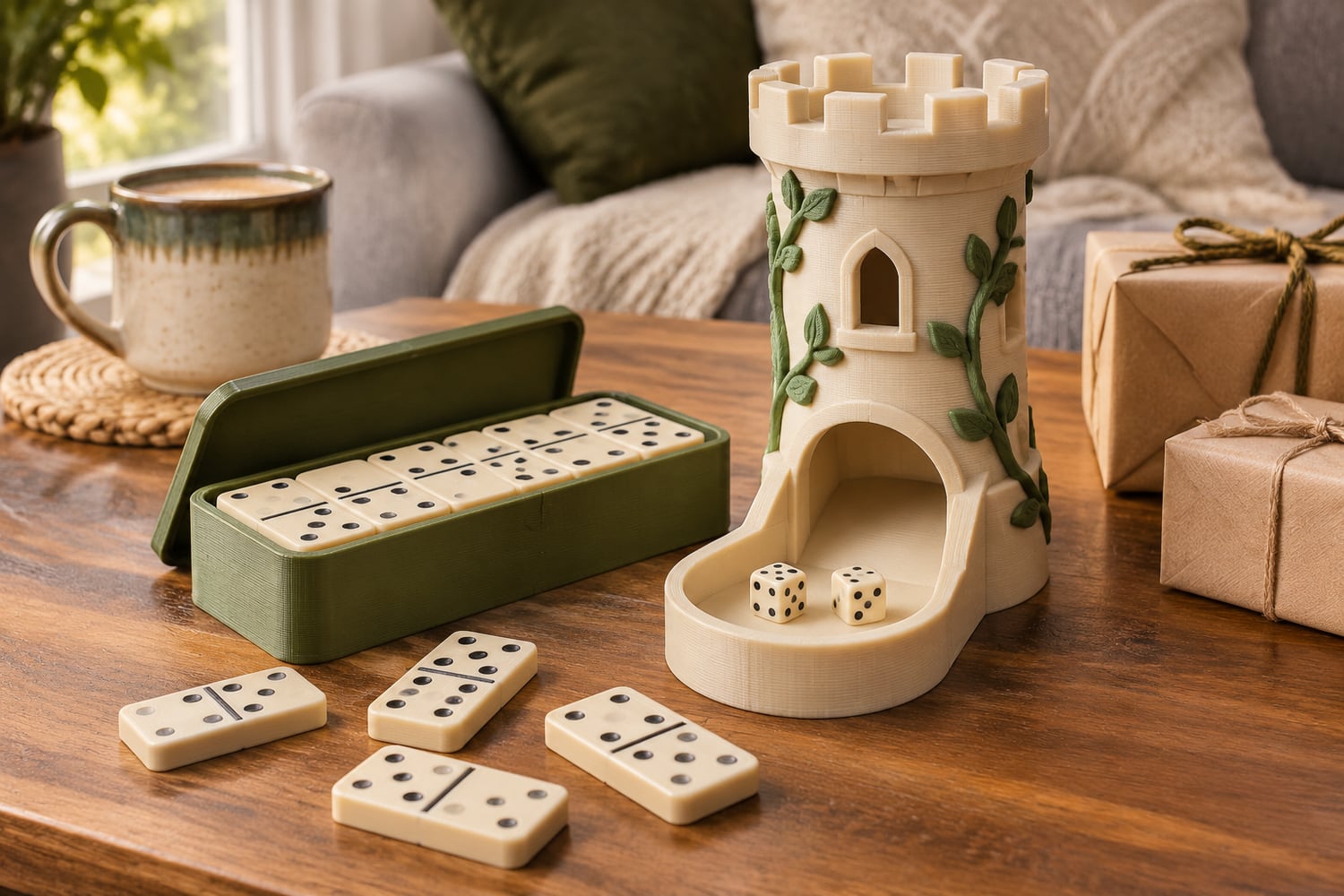
On Filagora, every piece is printed to order by an independent maker, from multi-hour dice towers to quick gifts like a Christmas star keychain, so you can weigh print time, finish and design against the price before you buy.
Frequently asked questions
Why are 3D printed items so expensive when plastic is cheap?
The plastic is a small part of the cost. You mostly pay for machine hours, hands-on labor like support removal and quality checks, design work, and individual packaging.
Why does 3D printing cost more than injection-molded plastic?
Injection molding spreads an expensive mold over thousands of copies, so each one is cheap. A 3D print carries its full cost every time, but there's no mold or minimum order, which makes it practical for one-off or small-run designs.
Are cheap 3D printed items good quality?
Small, flat items like keychains can be cheap and still well made because they print fast. A large or load-bearing item priced very low may have thin walls, sparse infill or rough finishing.
Is it cheaper to buy a 3D printer than buy 3D printed items?
Only if you print a lot. An older study estimated savings of $300 to $2,000 a year for 20 household items, but that leaves out printer cost, failed prints and learning time.
Are 3D printed items on Etsy original designs?
Etsy changed its rules so 3D printed items must be based on the seller's own designs. 3D printing is still allowed.
Pieces from this guide
Printed to order by makers on Filagora.